

Why in news?
Farmers in mustard‑growing states have reported severe infestations of Orobanche aegyptiaca, a parasitic weed that damages mustard plants and reduces yields. The spread of this “hidden” menace has forced many growers to cut back acreage, prompting calls for effective management strategies.
About the mustard crop
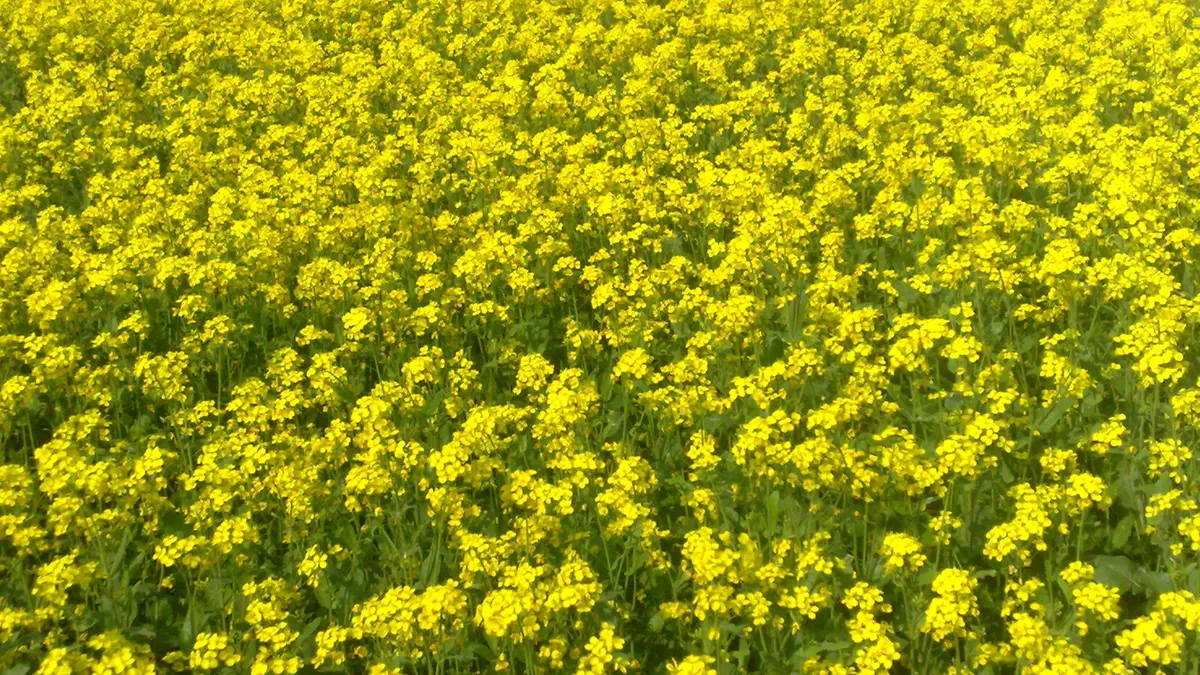
Mustard (Brassica juncea) is India’s largest indigenous edible‑oil crop. It is predominantly self‑pollinating and is sown as a Rabi crop from October to December. Common names include Sarson in Hindi and Rai in Punjabi. Sandy loam soils are ideal, and the crop thrives in cool, dry conditions with temperatures between 10 °C and 25 °C and annual rainfall of 625–1,000 mm. Major producers are Rajasthan, Uttar Pradesh, Madhya Pradesh, Haryana, Punjab, West Bengal and Gujarat. Mustard seeds are pressed for oil, the leaves are eaten as vegetables and the residual oil cake is used as cattle feed.
Orobanche aegyptiaca – a parasitic weed
- Mode of attack: Orobanche is a root parasite. Its seeds lie dormant in the soil and germinate when they detect chemicals exuded by mustard roots. The parasite attaches to the host plant’s roots and siphons off water, carbon and nutrients.
- Symptoms: Infected plants show wilting, yellowing and stunted growth. By the time the weed’s shoots emerge above ground, significant damage has already occurred.
- Persistence: A single Orobanche shoot produces thousands of tiny seeds that remain viable in the soil for up to twenty years. Repeated cultivation of mustard builds up a seed bank, leading to widespread infestation.
- Impact: Surveys in Haryana and Rajasthan during the 2024–25 season found heavy weed density in many fields, causing yield declines from around 9 quintals per acre to 6 quintals or less. Farmers have reduced mustard acreage and switched to wheat, chickpea and barley.
Management strategies
- Herbicide‑tolerant hybrids: Seed companies have developed non‑GM mustard hybrids tolerant to specific herbicides (e.g., imazapyr and imazapic). Spraying these herbicides kills Orobanche without harming the crop.
- Crop rotation: Rotating mustard with cereals or legumes helps break the parasite’s life cycle and reduces seed buildup in the soil.
- Early detection and removal: Monitoring fields and removing Orobanche shoots before they set seed can limit spread, though this is labour‑intensive.
- Seed treatment and field hygiene: Using certified seed and cleaning farm implements reduces the introduction of Orobanche seed to new fields.
Significance
- Food security: Mustard oil is a staple for millions of households. Sustained yield losses could increase India’s dependence on imported edible oils.
- Farmer livelihoods: Mustard requires fewer irrigations than wheat, making it attractive to small farmers. The parasite’s spread threatens incomes and crop diversity.
- Research needs: Developing resistant varieties and integrated weed‑management strategies is essential to protect this important crop.
Conclusion
Orobanche aegyptiaca poses a serious challenge to mustard cultivation. By adopting herbicide‑tolerant hybrids, diversifying crops and improving field management, farmers can mitigate its impact. Continued research and extension support will be vital to safeguard India’s foremost oilseed crop.
Source: The Indian Express