Why in news?
On 13 March 2026 the Supreme Court of India took suo motu cognisance of rampant illegal sand mining in the National Chambal Sanctuary and its impact on endangered species. A bench led by Justices Vikram Nath and Sandeep Mehta warned that destruction of wildlife habitat in a protected area would attract penalties under various environmental laws. It held officials of Rajasthan, Madhya Pradesh and Uttar Pradesh vicariously liable for allowing mining to continue.
Background
The National Chambal Sanctuary, also known as the National Chambal Gharial Wildlife Sanctuary, is a 5,400 sq km riverine reserve jointly managed by Rajasthan, Madhya Pradesh and Uttar Pradesh. It includes a 425 km stretch of the 960 km‑long Chambal River, which originates in the Vindhya Range and meets the Yamuna near Etawah. The region’s distinctive badland topography consists of deep ravines formed by erosion.
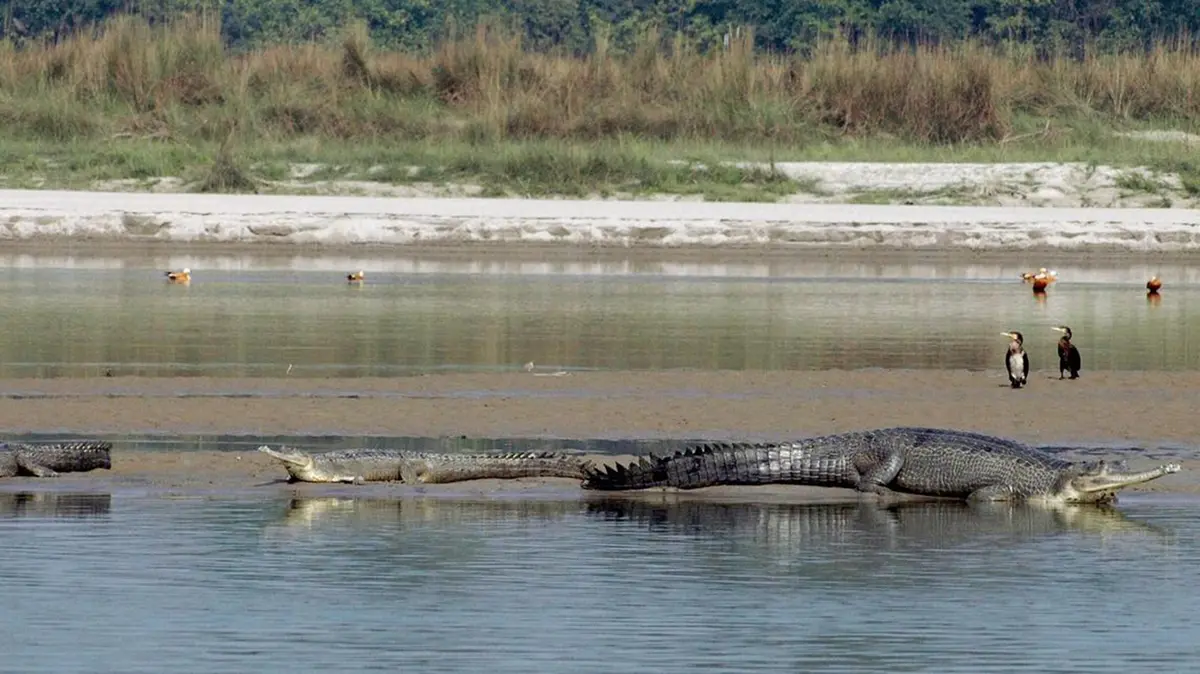
Established in 1979 under Project Crocodile, the sanctuary was created to protect the critically endangered gharial, a long‑snouted crocodilian whose population had plummeted due to poaching, dam building and sand mining. The refuge also shelters the red‑crowned roof turtle, the Ganges river dolphin and more than 340 species of resident and migratory birds. Sandbanks and islands provide nesting grounds for the rare Indian skimmer.
Key issues and court action
- Illegal sand mining: Reports indicated that heavy machinery was removing sand from the riverbed, destroying gharial nesting sites and turtle basking spots. Some areas allegedly de‑notified by state governments had been opened to mining.
- Suo motu case: The Supreme Court registered a suo motu writ petition titled “In Re: Illegal sand mining in the National Chambal Sanctuary and threat to endangered aquatic wildlife” after reading news reports. It issued notices to the three states and the Union government.
- Officials held liable: The bench said that officials of forest, mining, water resources and police departments would be held accountable for aiding and abetting habitat destruction through their inaction.
- Legal implications: The Court noted that destroying habitat in a protected area attracts offences under the Wildlife (Protection) Act, Environment (Protection) Act, Forest (Conservation) Act and Biological Diversity Act.
Importance of the sanctuary
- Biodiversity hotspot: Besides the iconic gharial, the sanctuary hosts leopards, hyenas, jackals, wolves, turtles and an impressive variety of waterfowl.
- Unique landscape: The Chambal ravines, once a hideout for dacoits, protect wildlife from human encroachment. Conservation efforts here benefit the entire river ecosystem.
- Conservation challenges: Illegal mining, pollution and proposed infrastructure projects threaten the fragile habitat. Court intervention highlights the need for stricter enforcement.
Sources: The Hindu