
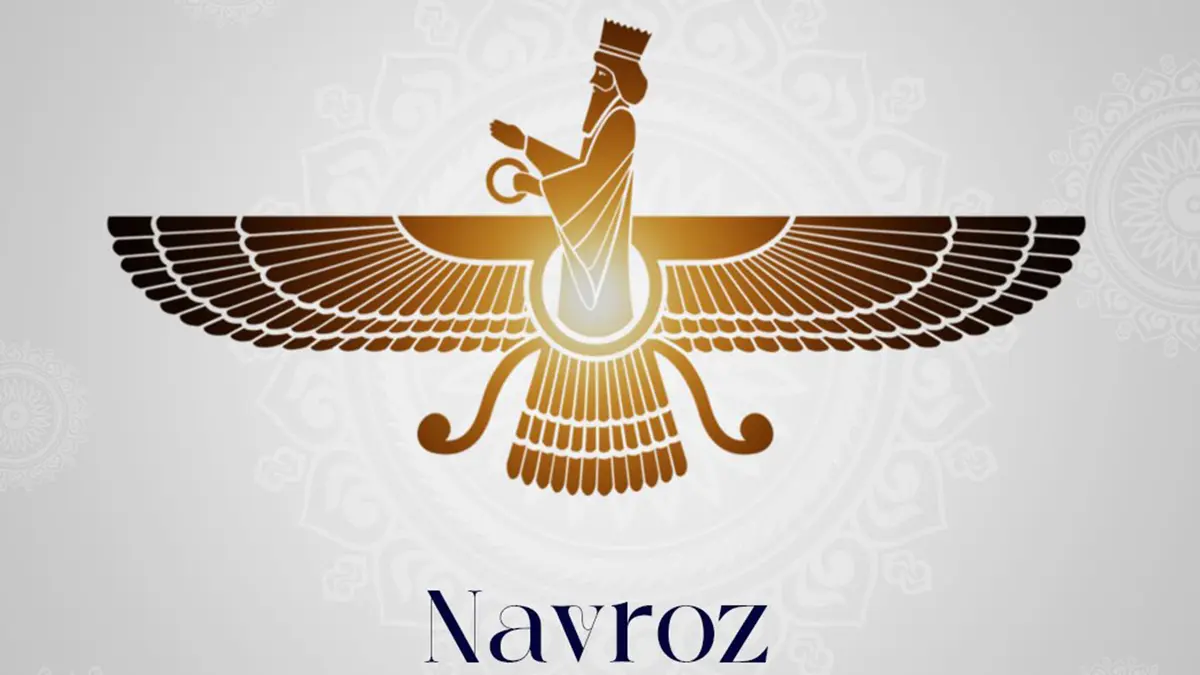
Why in news?
On 21 March 2026 Parsi communities in India and across the world observed Navroz, the Persian New Year. UNESCO recognises Nowruz as an Intangible Cultural Heritage of Humanity, and the United Nations marks the day as International Nowruz Day.
Background
Navroz literally means “new day” in Persian and traces its roots to the Zoroastrian religion of ancient Persia. The festival is celebrated on the spring equinox (usually 20 or 21 March), symbolising the rebirth of nature. Its origins are associated with the legendary king Jamshid, who is said to have introduced the solar calendar. Over centuries Nowruz spread from Iran to Central Asia, the Caucasus, Turkey and parts of the Indian subcontinent.
Traditions
- Haft‑sin table: Families set up a festive table with seven items starting with the Persian letter sin (e.g., wheat sprouts for rebirth, apples for beauty, garlic for health). Mirrors, candles and goldfish symbolise self‑reflection, light and life.
- House cleaning and prayers: Homes are thoroughly cleaned and people wear new clothes. Zoroastrian Parsis in India visit fire temples to pray for prosperity and offer sandalwood to the sacred fire.
- Family meals: Special dishes such as ravo, sev, patra‑ni‑machchi (fish wrapped in leaves) and sali‑boti (meat with potato sticks) are prepared. Pateti, observed a few months later under the Shahenshahi calendar, involves penitence and forgiveness.
Significance
For more than 300 million people across West and South Asia, Nowruz heralds renewal and hope. In India the festival highlights the rich cultural contributions of the Parsi community and encourages values of “good thoughts, good words, good deeds”. By inscribing Nowruz on its heritage list, UNESCO recognises the shared traditions that bind diverse societies.

