
Why in news?
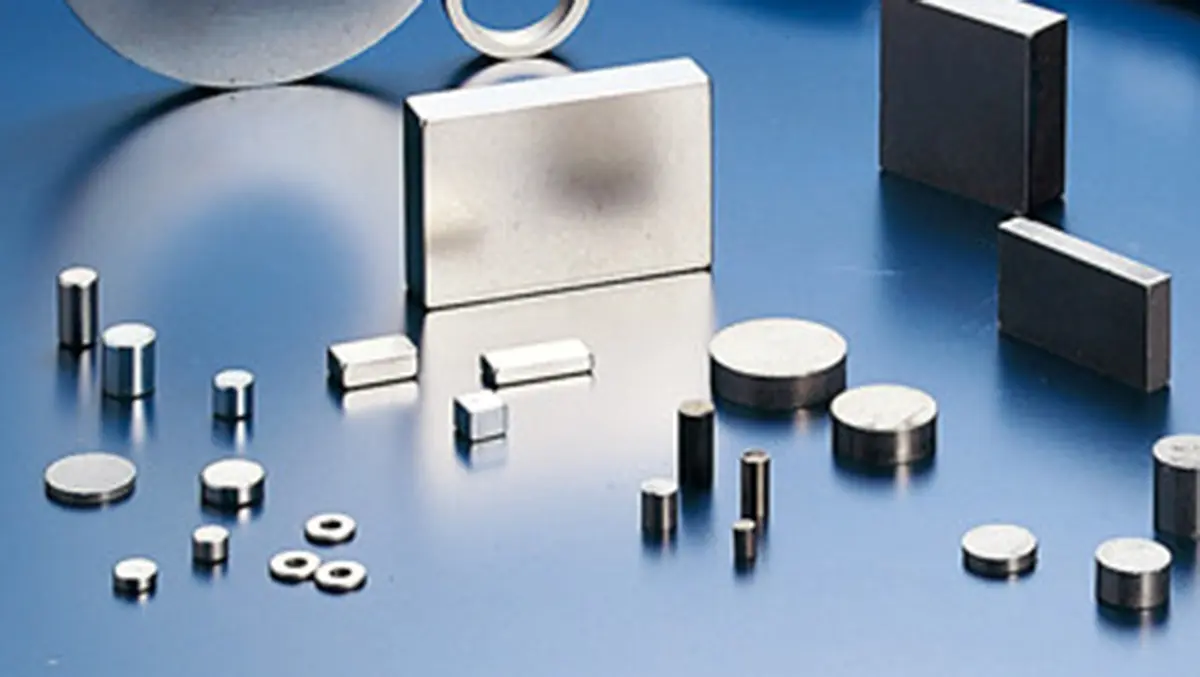
A pilot facility to produce neodymium‑iron‑boron (Nd–Fe–B) magnets was inaugurated at the International Advanced Research Centre for Powder Metallurgy and New Materials (ARCI) in Hyderabad. This marks India’s first step towards domestic manufacturing of the powerful permanent magnets used in electric vehicles, wind turbines and electronics.
Background
Nd–Fe–B magnets were developed independently in 1984 by researchers from General Motors and Japan’s Sumitomo Special Metals. They are currently the strongest commercially available permanent magnets. These magnets owe their strength to the crystalline structure of the compound Nd2Fe14B, which produces a high magnetic energy product. A typical composition contains roughly one‑third neodymium, two‑thirds iron and a small amount of boron, with trace elements like aluminium or dysprosium added to improve performance.
Key points
- High performance: Nd–Fe–B magnets offer very high remanence and coercivity, enabling compact and energy‑efficient motors. Their energy product (26–52 MGOe) surpasses most other permanent magnets.
- Manufacturing challenges: Producing these magnets requires alloying rare‑earth metals, powder metallurgy and sintering in a strong magnetic field to align grains. They corrode easily and lose magnetism at high temperatures, so protective coatings and heat‑resistant alloys are essential.
- Strategic importance: Neodymium is a rare‑earth element mostly supplied by China. Establishing domestic capacity helps reduce reliance on imports, supports India’s electric‑vehicle goals and aligns with the Atmanirbhar Bharat vision of self‑reliance.
- Research to industry: The ARCI pilot plant will bridge laboratory research and commercial manufacturing. It aims to develop indigenous technology, train personnel and supply magnets for motors, sensors and defence applications.
Conclusion
Developing Nd–Fe–B magnets at home lays the foundation for an entire value chain in electric mobility and renewable energy. Success will depend on securing rare‑earth supply, scaling up production and managing environmental impacts of mining and metallurgy.
Sources: PIB

