

Why in news?
Tamil Nadu secured five new Geographical Indication (GI) tags in late 2025. The registrations protect traditional products including the Woraiyur cotton sari, Thooyamalli rice, Kavindapadi “Naatu Sakkarai” (country sugar), Namakkal “Kalchatti” (soapstone cookware) and Ambasamudram “Choppu Saman” (wooden kitchenware). These tags recognise the unique qualities of products linked to specific regions, ensuring that artisans and farmers benefit from their heritage.
Background
A Geographical Indication is a sign used on products that have a specific geographical origin and possess qualities or a reputation due to that origin. In India GI tags are registered under the Geographical Indications of Goods (Registration and Protection) Act, 1999. Once granted, only producers within the defined area may use the registered name. GI status helps prevent unauthorised use, adds value to local products and supports rural economies.
The new GI‑tagged products
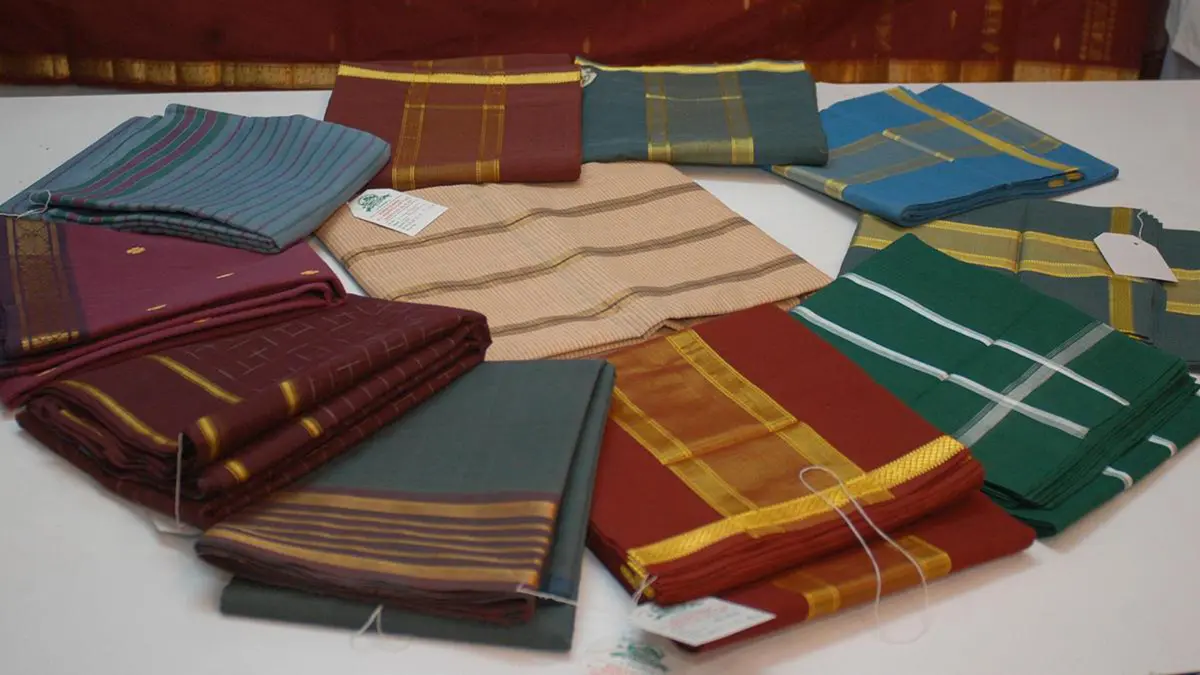
- Woraiyur Cotton Sari (Tiruchirappalli district): Woven by the Devanga community, this sari features the korvai technique where the body and border are woven separately and joined with intricate interlocking. The designs use earthy colours with contrasting borders and motifs inspired by temple architecture. The fabric is lightweight yet durable, making it suitable for the hot climate.
- Thooyamalli Rice (Kancheepuram and surrounding districts): The name means “pure jasmine.” This traditional rice variety has long, slender grains with a jasmine‑like aroma. It is rich in dietary fibre and micro‑nutrients, making it a healthy alternative to polished white rice. Farmers cultivate it using minimal chemical inputs and harvest after about 135 days.
- Kavindapadi “Naatu Sakkarai” (Erode district): Also called country sugar or traditional jaggery powder, this unrefined sweetener is made by boiling sugarcane juice grown along the Lower Bhavani canal. Producers use no chemical bleaching agents, retaining minerals and imparting a light brown colour and rich flavour. It is often used in traditional sweets and ayurvedic preparations.
- Namakkal “Kalchatti” (Namakkal district): These cooking pots and pans are carved from dense soapstone quarried in the region. Soapstone cookware distributes heat evenly and can withstand high temperatures without cracking. Traditional households use kalchatti to simmer curries and tamarind‑based dishes for long periods, imparting a unique taste.
- Ambasamudram “Choppu Saman” (Tirunelveli district): Artisans craft colourful wooden toys and kitchen utensils from locally grown softwood and paint them with plant‑based dyes. The toys depict fruits, vegetables and household items and are used both as playthings and decorative pieces. The craft supports local livelihoods and preserves eco‑friendly practices.
Significance
- Protection of heritage: GI tags prevent imitation and ensure that only authentic products made in the traditional manner bear the name.
- Economic benefits: Producers can command higher prices due to the uniqueness and guarantee of origin, improving incomes for weavers, farmers and artisans.
- Promotion of sustainable practices: Many of these products involve organic cultivation or eco‑friendly materials, encouraging sustainable agriculture and crafts.
- Cultural pride: Recognition brings attention to regional cultures and motivates younger generations to continue these crafts and farming practices.
Conclusion
Securing GI tags for these five products strengthens Tamil Nadu’s reputation as a hub of traditional crafts and agriculture. By safeguarding authenticity and creating market value, the registrations support rural communities and encourage preservation of cultural heritage.
Source: TH