
Why in news?
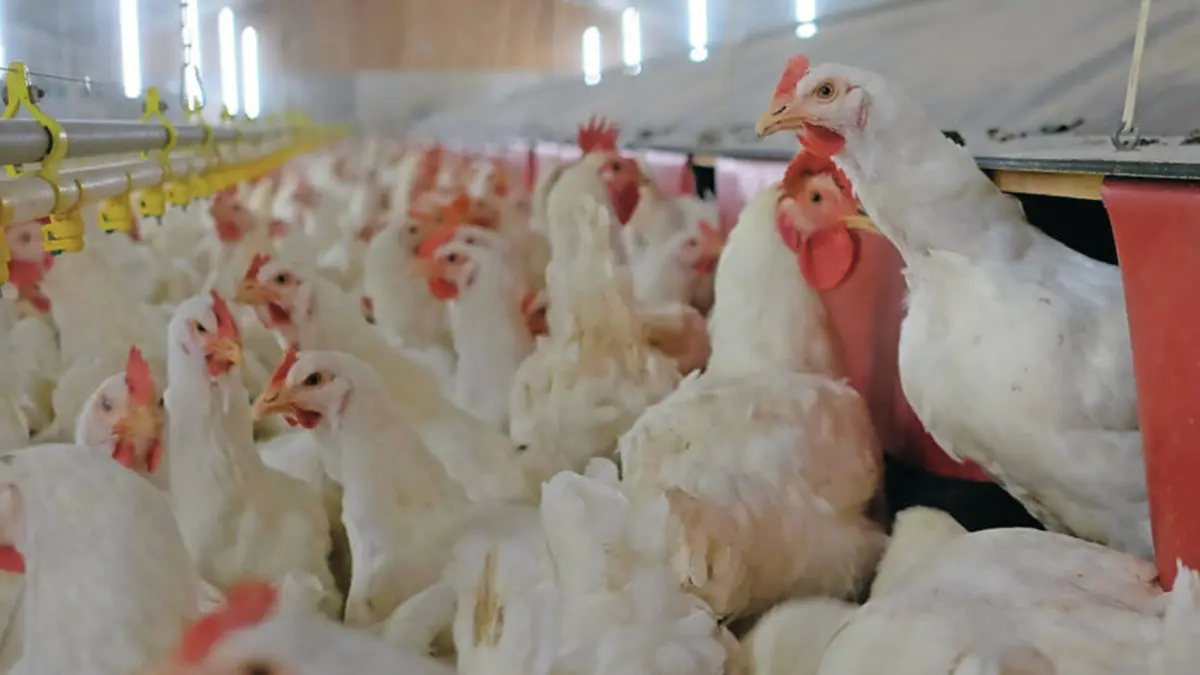
Europe has been grappling with a series of Newcastle disease outbreaks since early 2026. In March Germany reported its first outbreak in nearly two decades at a turkey farm near the Polish border, and Poland has experienced multiple outbreaks resulting in the culling of over half a million birds. These developments have raised concerns about animal health and trade restrictions and prompted a review of biosecurity measures worldwide.
Background
Newcastle disease is a highly contagious viral infection of birds caused by avian paramyxovirus serotype 1. The virus affects domestic poultry as well as wild and captive birds and can cause severe respiratory, neurological and digestive symptoms. Strains of the virus are grouped into three pathotypes:
- Lentogenic: Mild strains that may cause little or no clinical disease; often used in vaccines.
- Mesogenic: Moderately virulent strains that produce respiratory and nervous signs with moderate mortality.
- Velogenic: Highly virulent strains that cause rapid, systemic disease and high mortality; further classified into viscerotropic (affecting the gut) and neurotropic (affecting the nervous system).
The virus is shed in respiratory secretions and droppings and can survive for extended periods in the environment—weeks in litter, water and soil and months in carcasses and eggs. Transmission occurs through direct contact between birds, contaminated equipment, feed or clothing and, less commonly, through eggs. Humans are not at risk of serious illness, but handlers may experience mild conjunctivitis.
Outbreak details and response
- Poland: By April 2026 Poland had reported 17 outbreaks, primarily in commercial poultry farms. Hundreds of thousands of birds were culled to contain the virus, and movement restrictions were imposed on affected regions.
- Germany: In late February a turkey farm in Brandenburg lost around 1,000 birds after a virulent strain was detected. Authorities placed the farm and surrounding area under quarantine, and more than 18,000 susceptible birds were monitored. A second outbreak was soon reported in Bavaria.
- Other countries: The Czech Republic, Slovakia, Lithuania and Spain have recorded isolated cases. The United Kingdom’s Department for Environment, Food and Rural Affairs (DEFRA) assessed the risk to be moderate for non‑vaccinated backyard flocks and emphasised vaccination and biosecurity for commercial poultry.
- Control measures: Infected premises are subject to culling, cleaning and disinfection. Protection and surveillance zones are established around outbreaks, restricting movement of birds, eggs and vehicles. Vaccination programmes and heightened surveillance of wild birds are being implemented.
Symptoms and prevention
- Clinical signs: Newcastle disease can cause coughing, sneezing, nasal discharge, greenish diarrhoea, twisted necks, tremors, paralysis and sudden death. Egg production drops sharply in laying birds.
- No specific treatment: There is no cure for the viral infection. Supportive care and antibiotics may control secondary bacterial infections, but vaccination and strict biosecurity are the primary preventive measures.
- Biosecurity: Farmers are advised to restrict visitors, clean and disinfect equipment and avoid mixing domestic birds with wild or migratory birds. In many countries vaccination of commercial flocks against Newcastle disease is mandatory.
Significance
- Economic impact: Outbreaks lead to mass culling, trade restrictions and financial losses for poultry producers. The current wave has affected millions of birds across Europe.
- Global vigilance: The resurgence of Newcastle disease in Europe reminds other regions, including India, to maintain strong surveillance and vaccination programmes.
- Public health perspective: Although Newcastle disease does not pose a food‑safety risk, preventing its spread is essential to protect livelihoods and food supply chains.
Conclusion
The 2026 European outbreaks underscore the need for robust biosecurity, timely reporting and vaccination to control Newcastle disease. As global trade in poultry grows, coordinated efforts by governments, farmers and veterinarians are vital to contain this economically damaging infection.

