

Why in news?
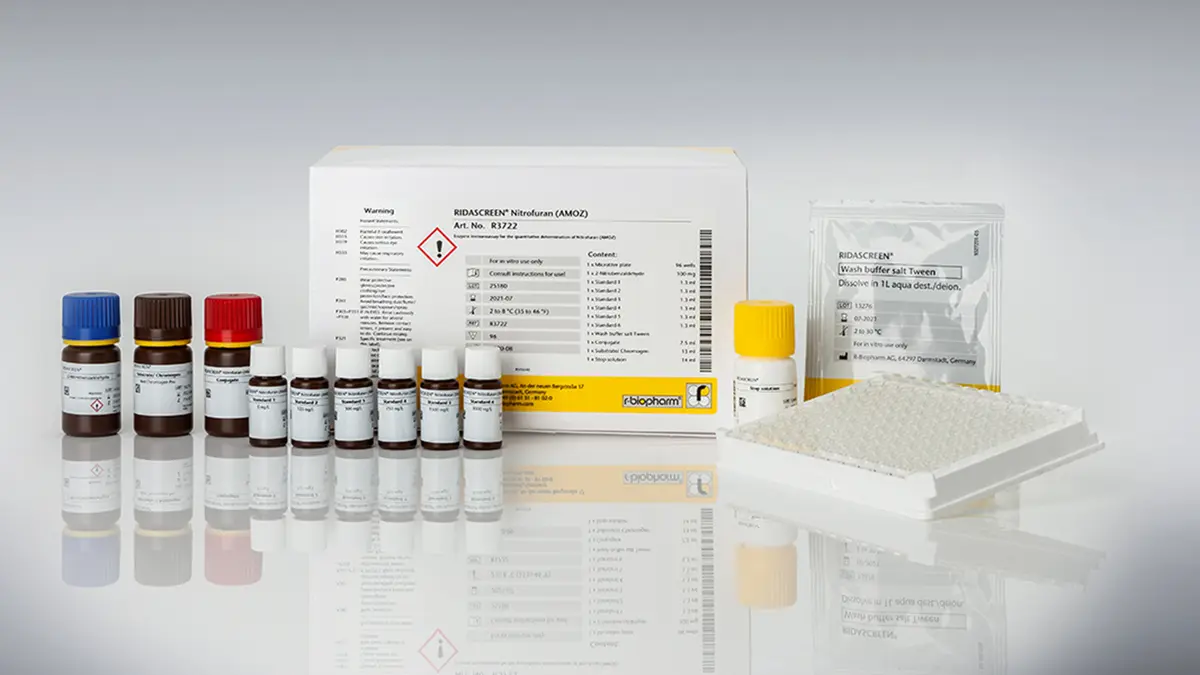
The Food Safety and Standards Authority of India (FSSAI) launched an egg safety drive after a viral video alleged that eggs from a popular brand contained traces of nitrofurans, a class of banned antibiotics. Regulators have begun testing eggs across the country to ensure consumer safety.
Background
Nitrofurans are synthetic broad‑spectrum antibiotics once widely used to prevent bacterial infections in poultry, pigs and aquaculture. During metabolism they break down into compounds such as AOZ, AMOZ, AHD and SEM that accumulate in animal tissues. Studies have shown that long‑term exposure to these residues can cause genetic damage, liver toxicity and an increased risk of cancer in animals. Due to these concerns, the European Union banned nitrofurans in 1995 and the United States followed in 2002. India prohibits their use in food‑producing animals under food safety regulations.
Recent developments
- Egg safety probe: After social media claims about contaminated eggs, FSSAI instructed regional offices to collect samples from various brands and test them for nitrofurans metabolites. Initial reports from the manufacturer showed no contamination, but nationwide testing is ongoing.
- Health implications: Experts warn that cooking does not remove nitrofurans residues. Chronic exposure can damage DNA, compromise the immune system and increase the risk of cancers of the liver and other organs.
- Regulatory action: FSSAI has ordered stricter monitoring of poultry farms and feed mills. If residues are detected, affected products will be recalled and offenders may face penalties.
Significance
- Consumer protection: The investigation underscores the importance of surveillance in the food chain and the need to enforce bans on hazardous antibiotics.
- Responsible farming: The episode highlights the dangers of indiscriminate antibiotic use in livestock. Farmers should adopt good husbandry practices, vaccination and biosecurity measures to prevent disease rather than relying on banned drugs.
- Public awareness: Educating consumers about reading labels and sourcing food from reputable producers can reduce exposure to harmful residues.
Conclusion
Nitrofuran residues pose serious health risks. Vigilant regulation, transparent testing and responsible animal husbandry are essential to keep our food safe and to curb the emergence of antimicrobial resistance.
Sources: NIE