

Why in news?
Health authorities in the United States have reported a spike in norovirus infections, with more than 14 % of tests turning positive in recent weeks. Nicknamed the “winter vomiting disease,” norovirus outbreaks tend to rise during colder months. The Centers for Disease Control and Prevention (CDC) and media reports have urged people to take precautions as cases climb.
Background
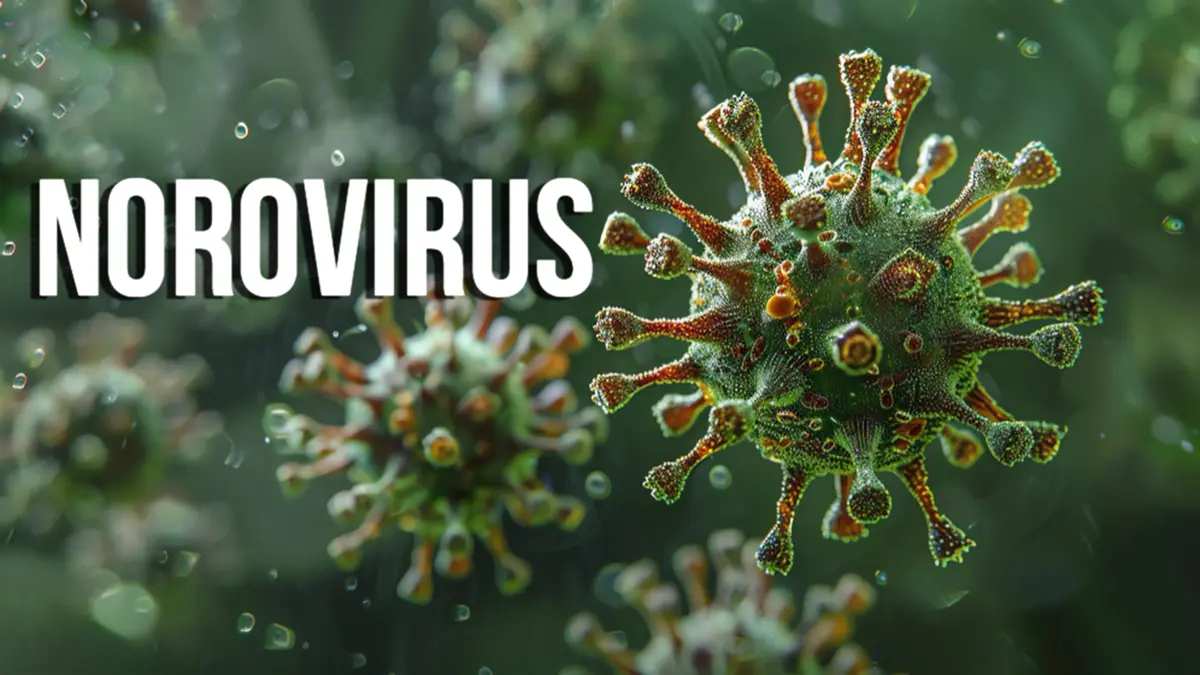
Norovirus is a highly contagious virus that causes acute gastroenteritis — inflammation of the stomach and intestines leading to vomiting and diarrhoea. It is often mistaken for “stomach flu” but is unrelated to influenza. The virus was first identified in Norwalk, Ohio, in 1968 and has since been recognised as the leading cause of foodborne illness worldwide. Because there are many different strains, infection does not confer long‑lasting immunity, and people can contract norovirus multiple times in their lives.
What you need to know
- How it spreads: Norovirus spreads easily through contact with an infected person, consumption of contaminated food or water or touching contaminated surfaces and then touching the mouth. The virus is present in the vomit and faeces of infected individuals. People can remain contagious for days after recovery.
- Symptoms: Symptoms typically develop 12–48 hours after exposure and include nausea, vomiting, watery diarrhoea, stomach cramps, fever, headache and body aches. Most people recover within three days, but dehydration can occur, especially in young children, older adults and those with weak immune systems.
- Prevention:
- Wash hands frequently with soap and water for at least 20 seconds, particularly after using the restroom and before preparing or eating food.
- Clean and disinfect high‑touch surfaces using bleach‑based cleaners.
- Avoid preparing food for others while sick and for at least two days after symptoms stop.
- Cook shellfish thoroughly and rinse fruits and vegetables.
- Treatment: There is no specific antiviral treatment or vaccine for norovirus. Management focuses on relieving symptoms and preventing dehydration. Oral rehydration solutions are recommended; in severe cases intravenous fluids may be required.
- Seasonal pattern: Norovirus outbreaks peak during winter, which is why it is sometimes called the “winter vomiting bug.” According to the CDC, the current uptick is lower than last year’s spike but remains significant.
Public health experts emphasise that simple hygiene measures can drastically reduce transmission and urge people to stay home when ill to curb the spread.