Why in news?
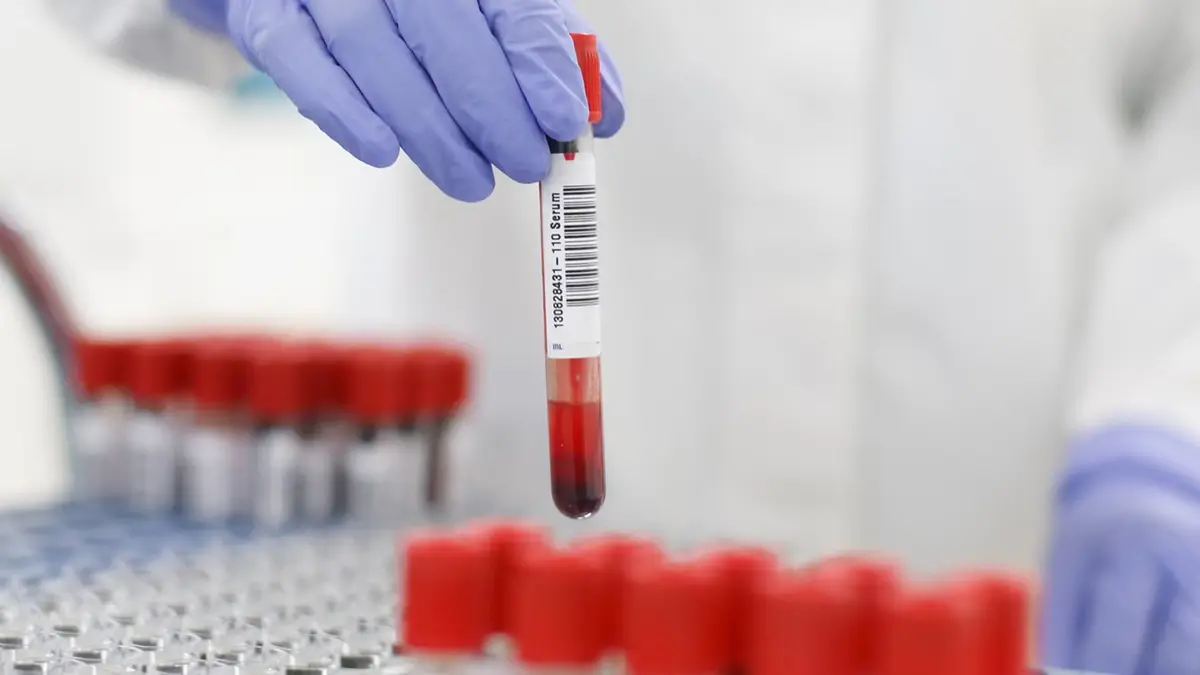
The Supreme Court of India has agreed to examine whether the Nucleic Acid Test (NAT) should be made compulsory in blood banks. A public interest petition filed by an NGO argues that safer blood screening is part of the constitutional right to life. The case gained urgency after reports of children contracting HIV due to contaminated transfusions.
Background
NAT is a molecular diagnostic technique that detects the genetic material (DNA or RNA) of viruses such as HIV, Hepatitis B and Hepatitis C. By identifying viral nucleic acids, it reduces the "window period" between infection and detectability, thereby lowering the risk of transfusion-transmitted infections. In India, most blood banks currently rely on serological tests like the Enzyme-Linked Immunosorbent Assay (ELISA), which are cheaper but less sensitive during early infection. The petition contends that mandatory NAT is essential to protect patients, particularly those requiring frequent transfusions.
Constitutional dimension and right to life
- Article 21 of the Constitution: The right to life has been interpreted broadly by Indian courts to include the right to health and medical care. Petitioners argue that access to safe blood is integral to this right.
- Supreme Court's role: A Bench led by the Chief Justice has asked the petitioner to provide data on the cost-effectiveness and current adoption of NAT across States. The Court is assessing whether mandating NAT nationwide would place an undue financial burden on poorer States.
Cost and feasibility concerns
- Financial considerations: While the petitioner claims that NAT costs have decreased, the Court questioned whether all States, especially those struggling to pay salaries and utility bills, can afford the equipment and training required for NAT.
- Implementation data: The Bench has directed the petitioner to file an affidavit detailing which hospitals currently use NAT, the number of blood banks implementing it and the States where it is operational. This indicates a data-driven approach before any nationwide mandate.
Public health context and recent incidents
- Thalassaemia patients: Thalassaemia is a genetic disorder in which the body cannot produce enough haemoglobin, necessitating regular blood transfusions. India has a high burden of thalassaemia patients who are especially vulnerable to infections from contaminated blood.
- Reported tragedies: The petition cites cases where children in Madhya Pradesh and Jharkhand were infected with HIV after receiving tainted transfusions. Such incidents highlight shortcomings in current screening practices and reinforce calls for stricter standards.
Policy and regulatory framework
- Existing regulations: Blood safety in India is governed by the Drugs and Cosmetics Act (1940) and supervised by the National Blood Transfusion Council (NBTC) and State councils. Mandatory screening presently includes tests for HIV, Hepatitis B, Hepatitis C, malaria and syphilis using serological methods.
- Infrastructure requirements: Making NAT compulsory nationwide would require upgrades in equipment, trained laboratory personnel and additional funding. Uniform implementation across public and private blood banks would be essential to ensure equity.
Conclusion
Introducing NAT across India's blood banks could significantly reduce the risk of transfusion-transmitted infections. However, the Supreme Court must balance public health benefits with financial feasibility and existing infrastructure. Accurate data on current adoption, costs and State capacity will help decide whether NAT should become the national standard for safe blood transfusion.
Source: The Hindu