

Why in news?
A new analysis of health records from more than 11 million U.S. military veterans has found that untreated obstructive sleep apnea nearly doubles the risk of developing Parkinson’s disease. Researchers noted that patients who consistently used continuous positive airway pressure (CPAP) therapy had a much lower incidence of Parkinson’s, suggesting that improving sleep quality may protect against neurodegenerative disorders.
Background
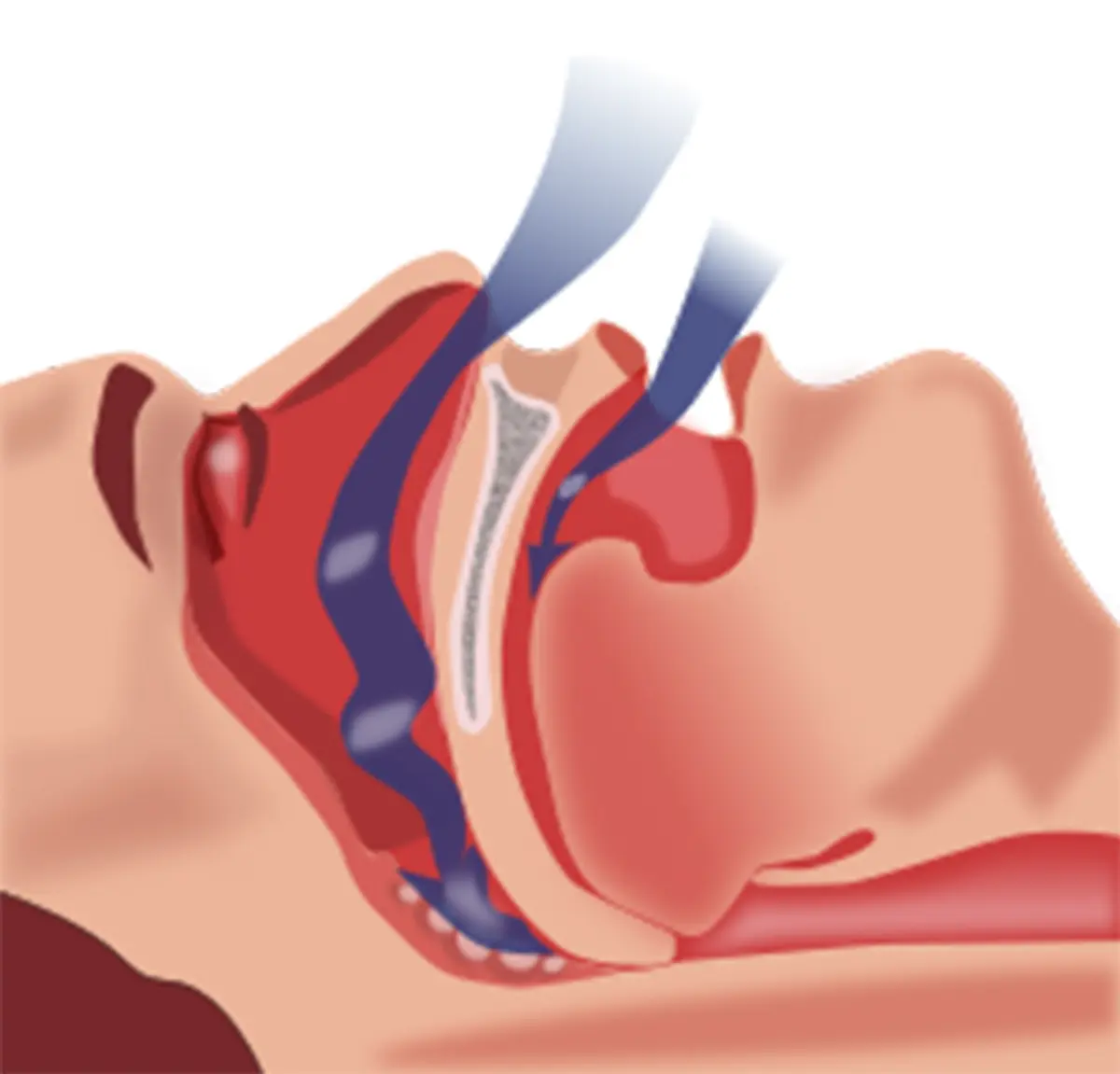
Obstructive sleep apnea (OSA) is a condition in which throat muscles relax during sleep, causing repeated pauses in breathing. Each pause reduces oxygen levels, triggering the brain to briefly wake the sleeper to resume breathing. These episodes can occur dozens of times per hour, leading to loud snoring, restless sleep and daytime fatigue. Anyone can develop OSA, but it is more common among middle‑aged and older adults, particularly men and people with obesity. Long‑term consequences include high blood pressure, heart disease and impaired concentration.
Findings of the study
- Elevated risk: Veterans diagnosed with OSA who did not receive CPAP therapy were almost twice as likely to be diagnosed with Parkinson’s disease compared with those who used the therapy.
- Large dataset: Researchers from Oregon Health & Science University analysed electronic health records spanning 1999–2022. The cohort comprised more than eleven million individuals, making it one of the largest studies of its kind.
- Plausible mechanism: Scientists suspect that repeated oxygen deprivation during sleep stresses neurons and may accelerate neurodegeneration. CPAP machines keep airways open, maintaining normal oxygen levels and potentially mitigating this damage.
Implications
The study does not prove that sleep apnea causes Parkinson’s, but it underscores the importance of diagnosing and treating the condition. Early use of CPAP could lower risks of various health problems, not only Parkinson’s. The findings may encourage people with sleep apnea to adhere to therapy and prompt clinicians to screen high‑risk patients more proactively.
Sources: SciTechDaily