
Why in news?
A recent study using electronic health records of nearly three million individuals found that people with obstructive sleep apnea (OSA) face a 71 percent higher risk of cardiovascular disease or death from any cause compared with similar individuals without OSA. The study, one of the largest of its kind outside the United States, emphasises the importance of screening and managing this common sleep disorder.
Background
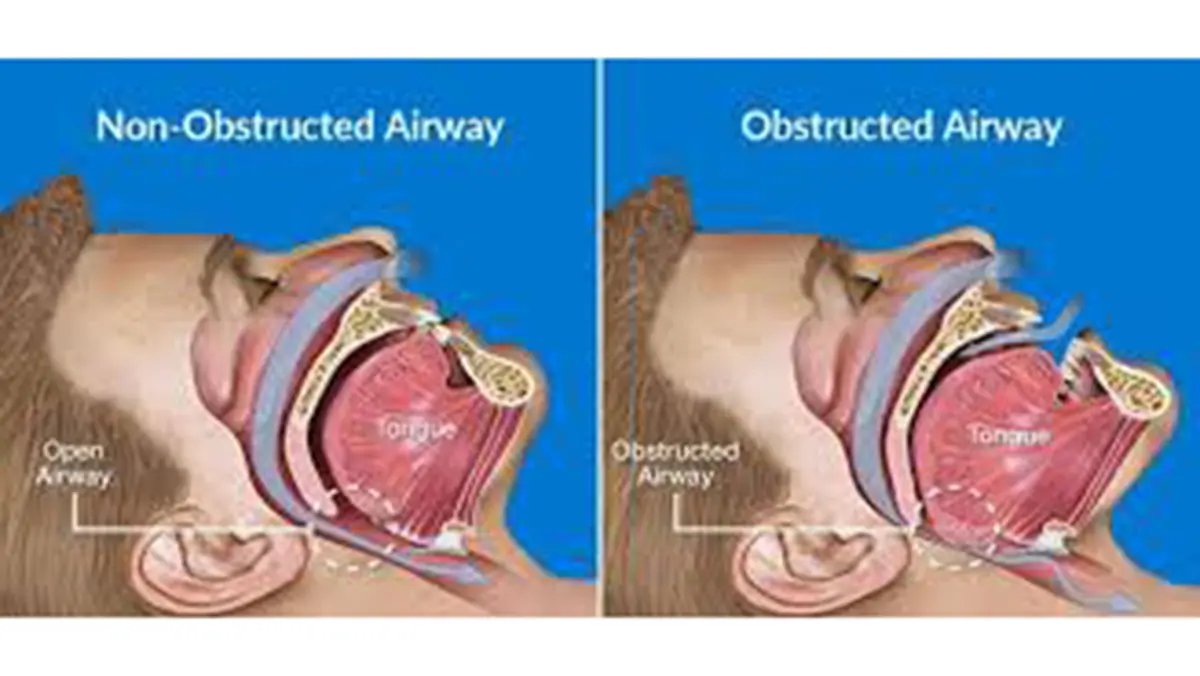
Obstructive sleep apnea occurs when the muscles of the throat relax during sleep and intermittently block the upper airway. This causes breathing to stop for brief periods, leading to fragmented sleep and low oxygen levels. OSA affects an estimated one billion adults worldwide, many of whom remain undiagnosed. Symptoms include loud snoring, gasping for air, restless sleep, morning headaches, excessive daytime sleepiness and trouble concentrating.
Key findings of the study
- Large sample: Researchers analysed records of 20,300 patients diagnosed with OSA and compared them with 97,412 individuals matched for age, sex and other factors. More than half of the OSA patients were obese.
- Elevated risk: After adjusting for confounders such as smoking, diabetes and hypertension, the study found a 71 percent increase in the risk of cardiovascular events or all‑cause mortality among people with OSA.
- Implications: The findings suggest that untreated sleep apnea contributes independently to heart attacks, strokes and heart failure. Early diagnosis and intervention could lower these risks.
Understanding obstructive sleep apnea
- Risk factors: Higher body weight, advancing age, being male, having a large neck circumference, structural features like a small jaw or enlarged tonsils, smoking, family history and nasal congestion can all increase the likelihood of OSA.
- Diagnosis: Doctors consider medical history, physical examination and sleep studies (polysomnography) to confirm OSA. Home sleep tests may also be used.
- Treatment: The standard therapy is positive airway pressure delivered via a mask (CPAP or BiPAP), which keeps the airway open during sleep. Lifestyle changes such as weight loss, avoiding alcohol, quitting smoking and sleeping on one’s side often help. In some cases, oral appliances or surgery may be recommended.
Significance
- Public health concern: With many undiagnosed cases, OSA represents a hidden burden on health systems. It not only impairs quality of life but also increases the risk of chronic conditions such as hypertension, diabetes and depression.
- Early intervention: The study underscores the need for early screening, especially among obese individuals and those with cardiovascular risk factors. Treating OSA can improve sleep, reduce blood pressure and lower heart risks.
Conclusion
Obstructive sleep apnea is more than just loud snoring; it is a serious health condition that may substantially raise the risk of heart disease and premature death. Awareness, diagnosis and adherence to therapy are crucial steps to protect the heart and improve overall well‑being.
Sources: NDTV, Sleep Foundation

