

Why in news?
Iranian teams began removing oil from Qeshm Island’s Hara mangroves. The source of the contamination remained unconfirmed.
What is known
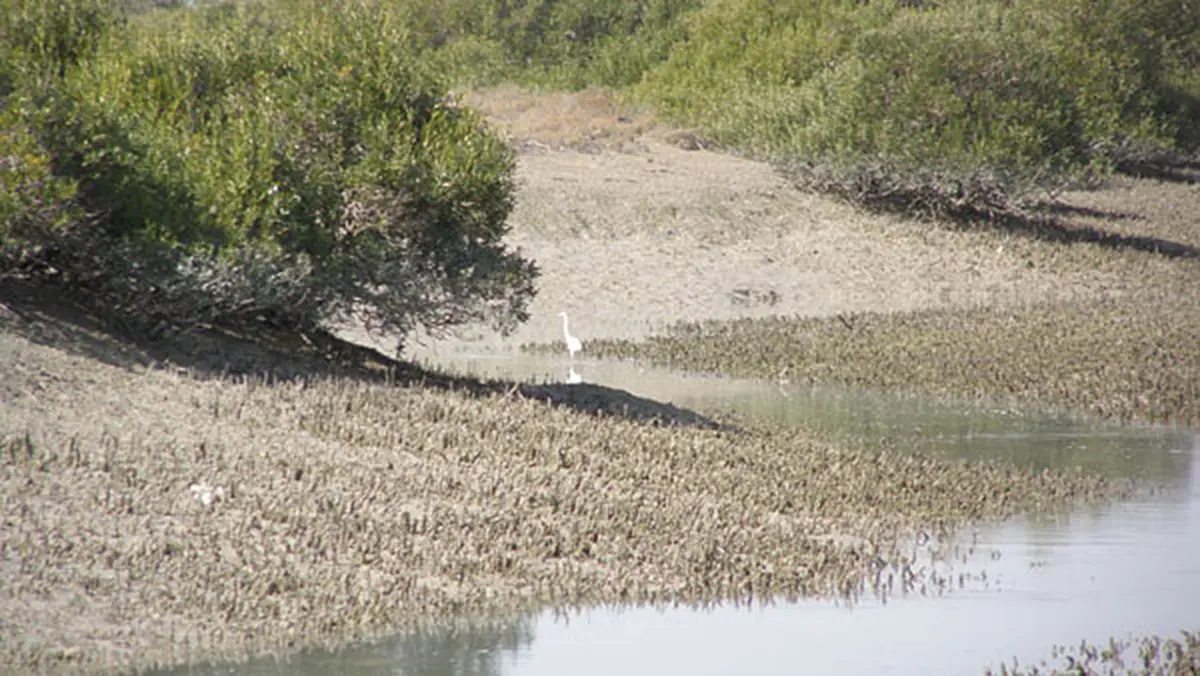
Images showed oil on tidal shores and exposed mangrove roots. Authorities deployed workers while environmental officials assessed the affected coast.
Iran linked the pollution to the recent regional conflict. Independent vessel trackers proposed another explanation involving a damaged merchant ship.
Neither account conclusively established the release point. A responsible assessment must therefore separate observed contamination from disputed causation.
Cause remains unsettled
Cleanup evidence confirms an oiling event, not its origin. Any attribution needs verified sampling, vessel records and a documented investigation.
The geographic setting
Qeshm lies off southern Iran near the Strait of Hormuz. This narrow passage connects the Persian Gulf with the Gulf of Oman.
The Hara Biosphere Reserve occupies the Khuran Strait between Qeshm and mainland Iran.
The United Nations Educational, Scientific and Cultural Organization records an area exceeding 206,000 hectares.
Its tidal landscape includes shallow channels, mudflats, marshes and islands. Grey mangrove, Avicennia marina, dominates the intertidal forest.
The setting gives the reserve exceptional ecological and economic importance. It also places sensitive habitat beside a major energy-shipping corridor.
Why mangroves are vulnerable
Mangrove roots exchange gases above oxygen-poor mud. Thick oil can coat these surfaces and obstruct normal plant function.
Oil can persist inside sheltered sediment after visible slicks disappear. Toxic components may also affect fish, invertebrates and feeding birds.
Aggressive cleaning can deepen the damage. Heavy machinery, high-pressure washing and trampling may disturb roots or push oil into sediment.
Response teams should first control the source and map contamination. Cleanup methods then need testing against ecological harm at each site.
A spill beside a chokepoint
Hara joins globally important habitat with heavily used waters. Prevention and rapid evidence-led response are therefore inseparable.
Conclusion
The immediate priority is careful cleanup and transparent source identification. Long-term monitoring must examine vegetation, sediment and wildlife recovery.