

Why in news?
Niger has been officially recognised as the first African country to halt the transmission of onchocerciasis, also known as river blindness. The World Health Organization (WHO) congratulated the government for achieving this public health milestone after decades of control efforts. The disease had caused skin problems and blindness in millions of Africans; its elimination shows that long‑term community treatment and vector control can succeed.
Background
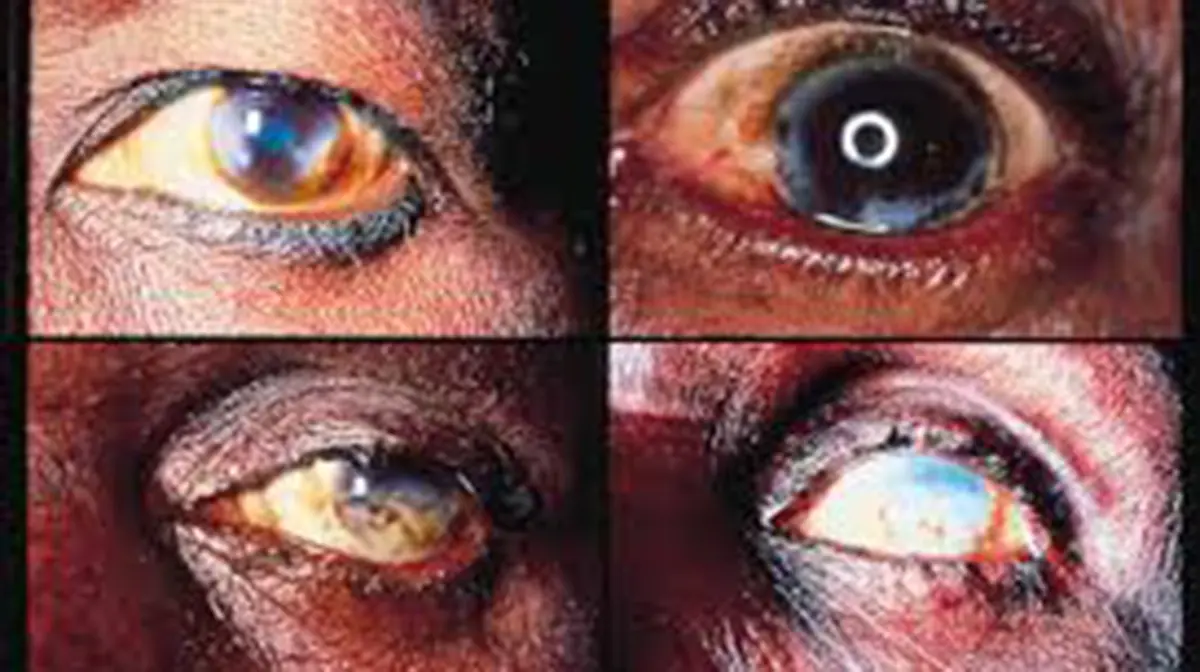
Onchocerciasis is a neglected tropical disease caused by the parasitic worm Onchocerca volvulus. People become infected when they are bitten repeatedly by blackflies that breed in fast‑flowing rivers and streams. The worms form nodules under the skin and release microfilariae, which travel through the body causing intense itching, skin discolouration and, in severe cases, progressive loss of sight – hence the name river blindness. The disease occurs mainly in sub‑Saharan Africa but also in parts of the Americas and Yemen.
How Niger achieved elimination
- Mass drug administration: For over two decades health workers and volunteers distributed ivermectin tablets once or twice a year across affected districts. This medicine kills the parasite’s larvae and stops transmission when coverage remains high.
- Vector control programmes: Earlier regional efforts – the Onchocerciasis Control Programme (OCP, 1974–2002) and the African Programme for Onchocerciasis Control (APOC, 1995–2015) – reduced blackfly populations through larviciding and environmental management.
- Community participation: Niger relied on community‑directed treatment. Local volunteers trained by health officials ensured that even remote villages received the medicine and that adherence remained high.
- Surveillance and verification: Transmission was considered interrupted only after several years of epidemiological and entomological surveillance showed that no new infections were occurring. The WHO’s verification team confirmed these findings before declaring the country free of the disease.
Significance
- Relief for communities: Eliminating river blindness improves the quality of life for former patients who suffered from itching, skin lesions and vision loss. It also allows families to farm and fish near rivers without fear of infection.
- Proof of concept: Success in Niger demonstrates that systematic treatment programmes can eliminate neglected tropical diseases. It encourages other endemic countries such as Nigeria, Ghana and the Democratic Republic of the Congo to intensify their efforts.
- Supporting global goals: The achievement contributes to the WHO roadmap for eliminating neglected tropical diseases by 2030 and aligns with Sustainable Development Goal 3 on ensuring healthy lives for all.
Source: NewsOnAir