

Why in news?
The Food Safety and Standards Authority of India (FSSAI) has issued a directive stating that only beverages derived from the leaves and buds of the plant Camellia sinensis can legally be called “tea”. Herbal infusions made from flowers, fruits or other plants must be labelled as proprietary products and cannot be marketed as tea. The move aims to protect consumers from misleading labels and ensure compliance with food standards regulations.
Background
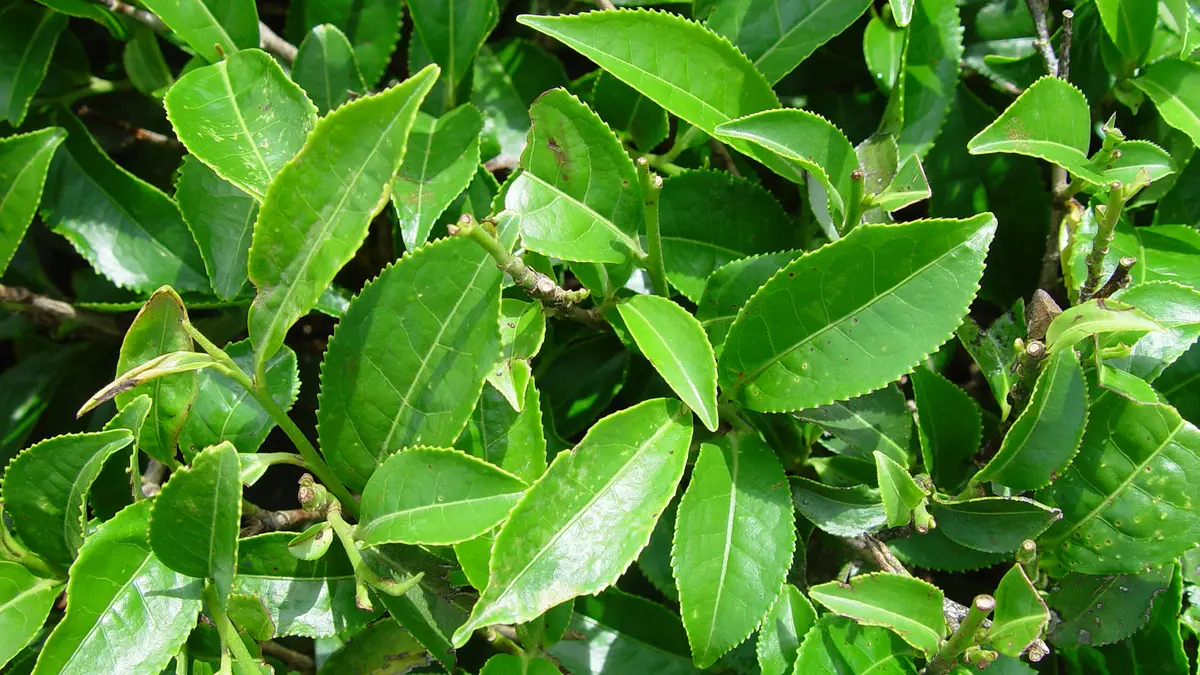
Camellia sinensis is an evergreen shrub or small tree belonging to the tea family (Theaceae). It has glossy green leaves with delicate white, fragrant flowers. Two main cultivated varieties are var. sinensis, native to China and used to produce green and Chinese black teas, and var. assamica, native to India and used in Assam black tea. Different types of tea – including green, black, oolong and white – all come from this plant but are processed differently after harvest. Tea has been cultivated and consumed for thousands of years, with processing methods ranging from steaming and pan‑firing to full oxidation.
Key points of the FSSAI clarification
- Definition of tea: Only products made from the leaves, buds and tender stems of Camellia sinensis may bear the name “tea”. Infusions of herbs such as chamomile, rooibos or hibiscus cannot legally be sold as tea; they must be labelled as herbal infusions or proprietary foods.
- Consumer protection: The directive seeks to prevent misbranding and misleading marketing. Many food businesses had started marketing various plant infusions as “herbal teas” even though they did not contain any tea leaves. FSSAI has warned that such labelling violates the Food Safety and Standards (Food Products Standards and Food Additives) Regulations.
- Manufacturers’ responsibilities: Food business operators must ensure that products not derived from Camellia sinensis are appropriately labelled. They may still sell herbal beverages as proprietary products, but must not mislead consumers by using the word “tea”.
About the tea plant
- Botanical features: The tea plant is an evergreen shrub that can grow up to 5 m tall in cultivation (and much taller in the wild). It has glossy, dark‑green leaves that are often hairy underneath and small white flowers with golden stamens. Tea seeds are round to oblong and usually develop in capsules.
- Varieties and processing: Var. sinensis leaves are generally small and used for green and lightly oxidised teas, whereas var. assamica leaves are larger and used for more robust black teas. The differences between green, oolong and black teas arise from the level of oxidation and fermentation during processing.
Sources: The Hindu