

Why in news?
Alongside the December 2025 repo rate cut, the Reserve Bank of India announced that it would purchase government securities worth ₹1 trillion and conduct a three‑year dollar–rupee buy/sell swap of $5 billion. These open market operations are intended to inject durable liquidity into the financial system and support monetary transmission.
What are Open Market Operations?
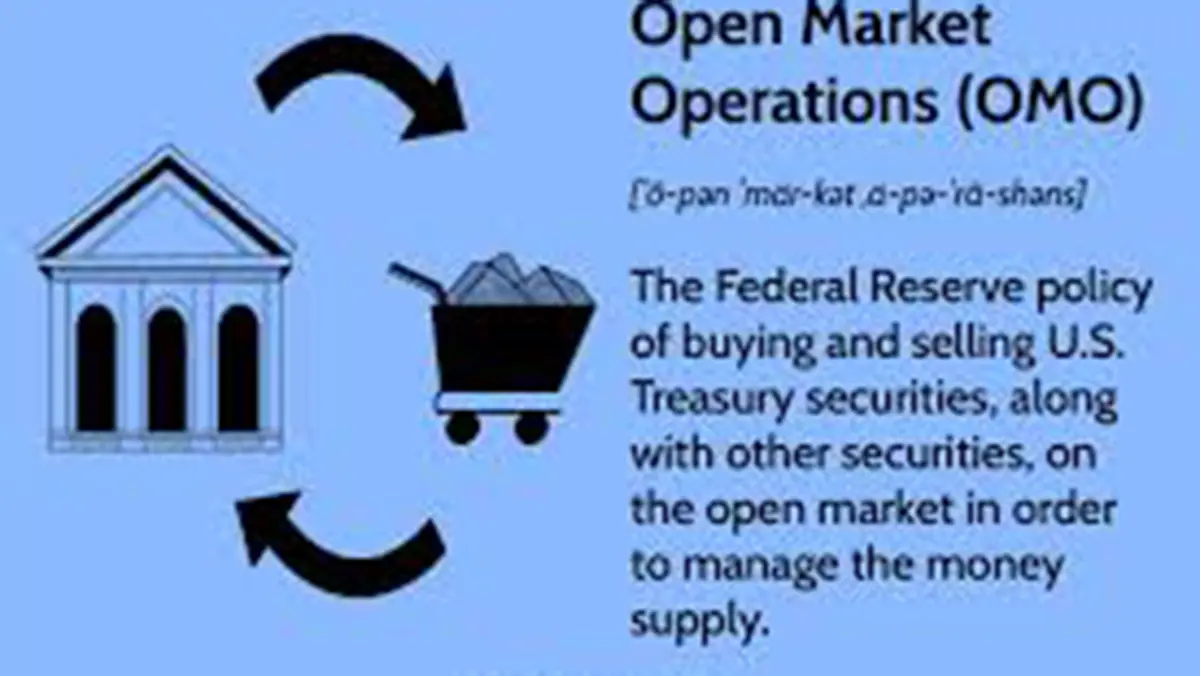
Open Market Operations (OMOs) refer to the buying and selling of government securities by a central bank in the open market. In India the RBI uses OMOs to manage the money supply and maintain financial stability. When the RBI buys securities, it pays banks, increasing the amount of money in circulation. When it sells securities, it absorbs money from banks, reducing liquidity. OMOs are distinct from repo operations because they inject or drain liquidity on a more permanent basis rather than addressing very short‑term needs.
Types of OMOs
- Outright purchases/sales: These involve the permanent buying or selling of government bonds to adjust the banking system’s liquidity.
- Repurchase agreements (repos): In some contexts, central banks conduct short‑term repo agreements as part of OMOs, but the RBI primarily uses separate repo auctions to manage transient liquidity. OMOs focus on durable changes to the money supply.
Why OMOs matter
- Managing liquidity during currency pressure: The rupee depreciated sharply in late 2025, crossing ₹90 to the U.S. dollar. When foreign investors withdraw funds, liquidity tightens and interest rates rise. OMO purchases replenish liquidity and stabilise money‑market rates.
- Supporting monetary transmission: Injecting durable funds through OMOs helps banks pass on repo‑rate cuts to borrowers by ensuring they have sufficient resources to lend.
- Balancing policy tools: Governor Sanjay Malhotra explained that while repo operations handle very short‑term liquidity, OMOs provide longer‑term liquidity. The RBI can inject liquidity via OMOs and simultaneously absorb short‑term surplus through variable‑rate repo operations to keep the weighted average call rate aligned with the policy rate.
Broader economic context
The RBI’s December measures came against a backdrop of weakening rupee, global trade tensions and fears of capital outflows. By combining a repo‑rate cut with large OMO purchases and a foreign‑exchange swap, the central bank signalled its readiness to support growth while containing volatility in currency and bond markets.
Conclusion
Open market operations are a powerful tool in the RBI’s toolkit for steering the economy. Understanding how buying and selling government securities influences liquidity and interest rates helps demystify monetary policy decisions that affect everyday borrowing costs and economic activity.
Source: Business Standard