

Why in news?
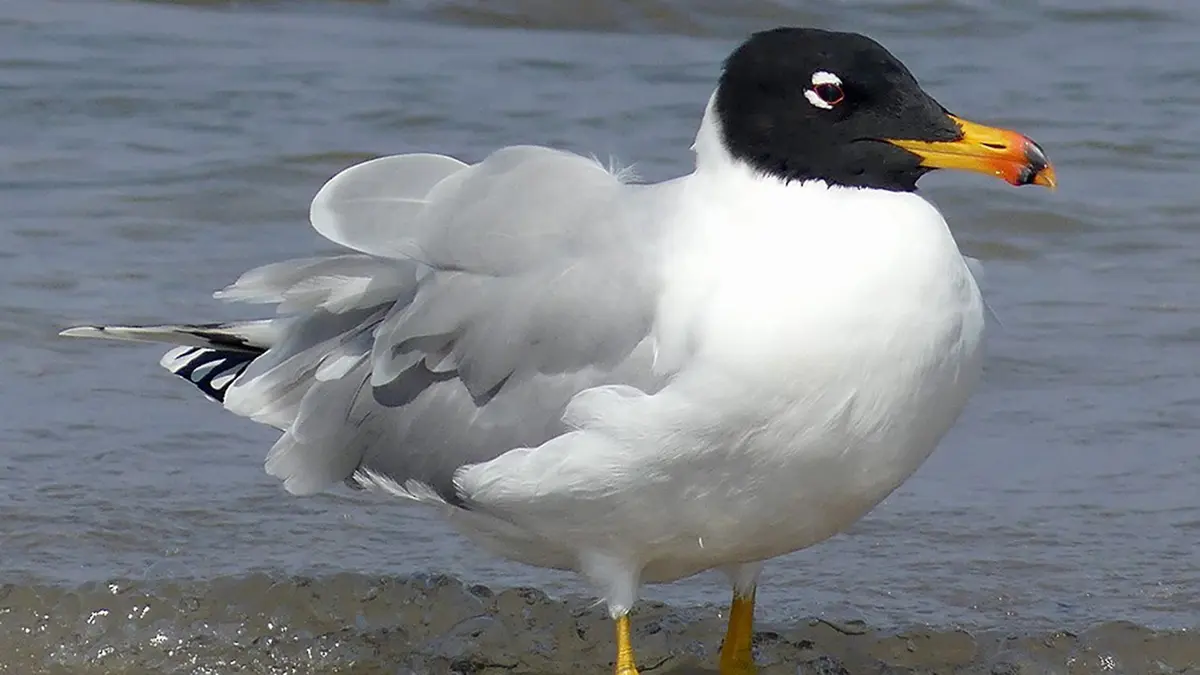
During a field visit to Chandratal Lake in Himachal Pradesh’s Spiti Valley in August 2025, birdwatchers recorded the first confirmed sighting of Pallas’s Gull in the region. The observation, later published in the Journal of the Bombay Natural History Society, highlights the ecological importance of high‑altitude wetlands along the Central Asian flyway.
Background
Pallas’s Gull (also called the great black‑headed gull) is a large seabird of the gull family, scientifically known as Ichthyaetus ichthyaetus. It breeds in colonies on islands and along coasts of the Caspian Sea and Central Asia and migrates to the eastern Mediterranean, Arabia and South Asia during the non‑breeding season. The birds nest on the ground, usually laying two to four eggs, and rely on wetland habitats along migratory routes.
Sighting details and significance
- Location and altitude: The gull was photographed at Chandratal Lake, a Ramsar‑listed wetland in the Spiti Valley, at an elevation of about 4,300 metres. This is the highest recorded altitude for the species in India and the first confirmed record from Himachal Pradesh.
- Ecological connectivity: Previous Indian records of Pallas’s Gull were limited to Ladakh and the Pong Dam reservoir. The new sighting suggests that high‑altitude Himalayan wetlands are part of the Central Asian flyway and emphasises their role as stepping stones for migratory birds.
- Conservation message: The sighting underlines the need to protect sensitive mountain wetlands like Chandratal from pollution, unregulated tourism and climate change. Such habitats support numerous migratory and endemic species.
Conclusion
The presence of Pallas’s Gull at Chandratal demonstrates the interconnectedness of ecosystems from Central Asia to the Himalaya. It calls for continued monitoring of migratory birds and proactive conservation of high‑altitude wetlands to safeguard these vital waypoints.