

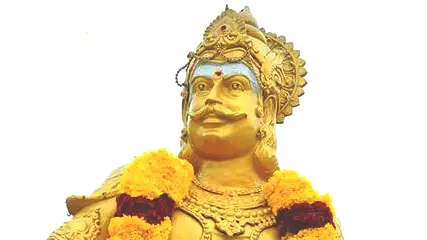
Why in news?
The Government of India released a commemorative postage stamp honouring Perumbidugu Mutharaiyar II, a powerful ruler from the 8th century. The stamp’s release celebrates lesser‑known historical figures and highlights the contributions of the Mutharaiyar dynasty in south Indian history.
Background
The Mutharaiyars were a dynasty that controlled parts of present‑day Tamil Nadu between the 7th and 9th centuries. They ruled fertile regions around the Kaveri River, including Thanjavur, Pudukkottai, Perambalur and Tiruchirappalli. Although subordinate to the Pallavas, the Mutharaiyars often asserted autonomy and built their own temples and infrastructure. The most renowned member of the lineage, Perumbidugu Mutharaiyar II (also known as Suvaran Maran or Shatrubhayankar), ruled from around 705 to 745 CE. He served as a feudatory of Pallava king Nandivarman II and played a crucial role in repelling rival Tamil powers.
Achievements
- Military prowess: Mutharaiyar II fought alongside the Pallavas against the Pandyas and Chalukyas. His victories strengthened Pallava control over the Kaveri delta and protected agricultural wealth.
- Administrative reforms: He was known for efficient revenue collection and irrigation works that improved agricultural productivity in the Kaveri basin.
- Temple patronage: The Mutharaiyars were among the earliest builders of rock‑cut and structural temples in Tamil Nadu. They promoted Shaivism during a period when Jainism and Buddhism were influential, supporting debates between Shaivite and Jain scholars. This patronage laid the groundwork for later Chola architecture.
- Legacy: The dynasty eventually declined after being conquered by Vijayalaya Chola in the 850s, but it left enduring architectural and cultural contributions. Many Mutharaiyar temples survive today and provide insight into early South Indian art.
Significance of the stamp
Releasing a postage stamp on Perumbidugu Mutharaiyar II recognises the region’s rich past and educates the public about an influential yet often overlooked ruler. Such commemorations help broaden the national narrative by highlighting diverse local histories. They also foster pride among communities descended from the Mutharaiyars and encourage further study of early medieval Tamil history.
Source: Indian Express