Why in news?
On 30 March 2026 the Ministry of Heavy Industries announced that subsidies for electric two‑wheelers under the Prime Minister’s Electric Drive Revolution in Innovative Vehicle Enhancement (PM e‑DRIVE) scheme would continue until 31 July 2026, and for electric rickshaws and carts until 31 March 2028. By January 2026 the scheme had supported the sale of over 22 lakh electric vehicles.
Background
Launched on 1 October 2024, PM e‑DRIVE aims to accelerate India’s transition to electric mobility. It builds upon earlier incentive programmes to cover a wide spectrum of electric vehicles and infrastructure. The scheme offers upfront demand incentives to reduce purchase prices and provides grants for charging infrastructure and electric buses.
Key components
- Demand incentives: Subsidies for electric two‑wheelers, three‑wheelers (including e‑rickshaws and e‑carts), e‑ambulances, e‑trucks and other emerging categories. Vehicles must be registered under the Central Motor Vehicle Rules and equipped with advanced battery technology to qualify.
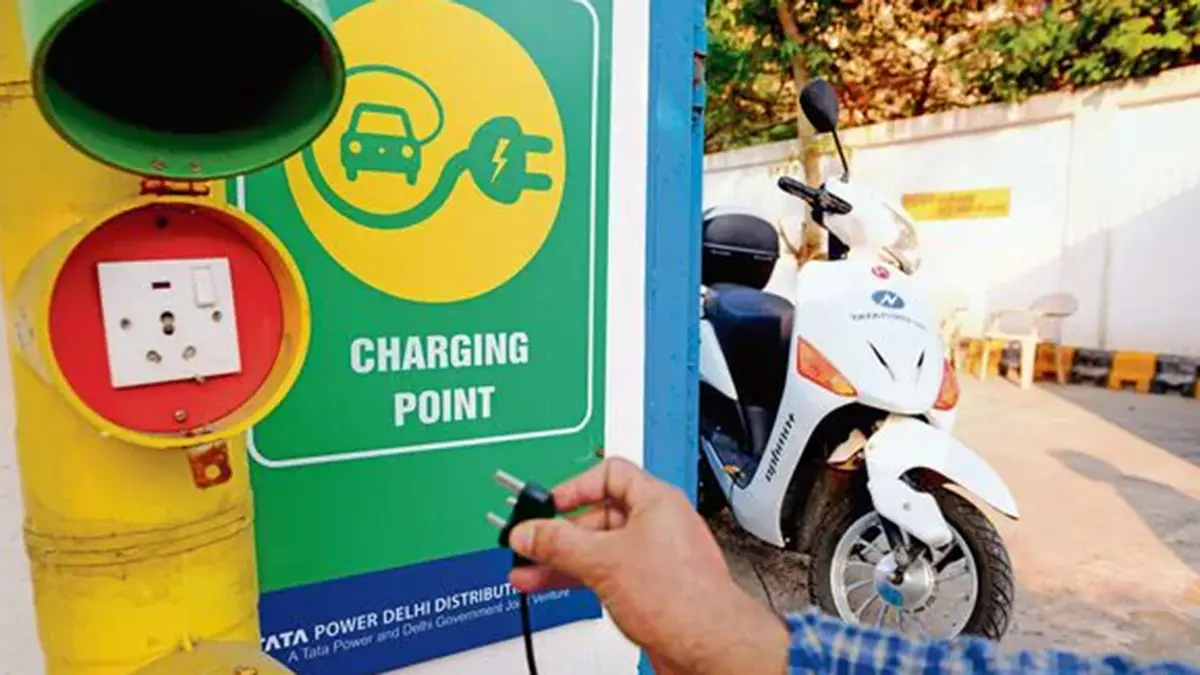
- Capital grants: Funding for acquiring electric buses and establishing public charging stations across India. About ₹4,391 crore is allocated to deploy 14,028 e‑buses in seven major cities and ₹2,000 crore for EV public charging stations.
- Administration and awareness: Provision for information, education and communication activities and support for a project management agency to oversee implementation.
- Governance: An inter‑ministerial Project Implementation and Sanctioning Committee, chaired by the Secretary of Heavy Industries, monitors progress and may adjust incentives or approve guidelines for testing agencies.
Recent updates
- As of 27 January 2026, about 22.12 lakh electric vehicles had been sold under the scheme, including more than 19 lakh two‑wheelers and nearly 3 lakh three‑wheelers.
- The scheme supports more than 28 lakh EVs in total and reimbursed ₹1,703 crore in incentives to manufacturers by the end of 2025.
- 13,800 electric buses have been allocated across Bengaluru, Delhi, Mumbai, Hyderabad, Ahmedabad, Pune and Surat, with tenders for most already concluded.
Significance
- Accelerating adoption: By lowering upfront costs, the scheme encourages consumers to switch to electric vehicles, reducing air pollution and greenhouse‑gas emissions.
- Industrial development: Funding for buses and charging infrastructure stimulates domestic manufacturing and creates jobs in vehicle production and service sectors.
- Urban mobility: Electric buses and rickshaws provide clean transport options in cities, aligning with India’s climate commitments.
Conclusion
The extension of subsidies under PM e‑DRIVE reflects the government’s determination to sustain momentum in electric mobility. Continued support for vehicles, buses and charging infrastructure will be vital for building a robust EV ecosystem and achieving long‑term environmental benefits.
Source: Live Mint