

Why in news?
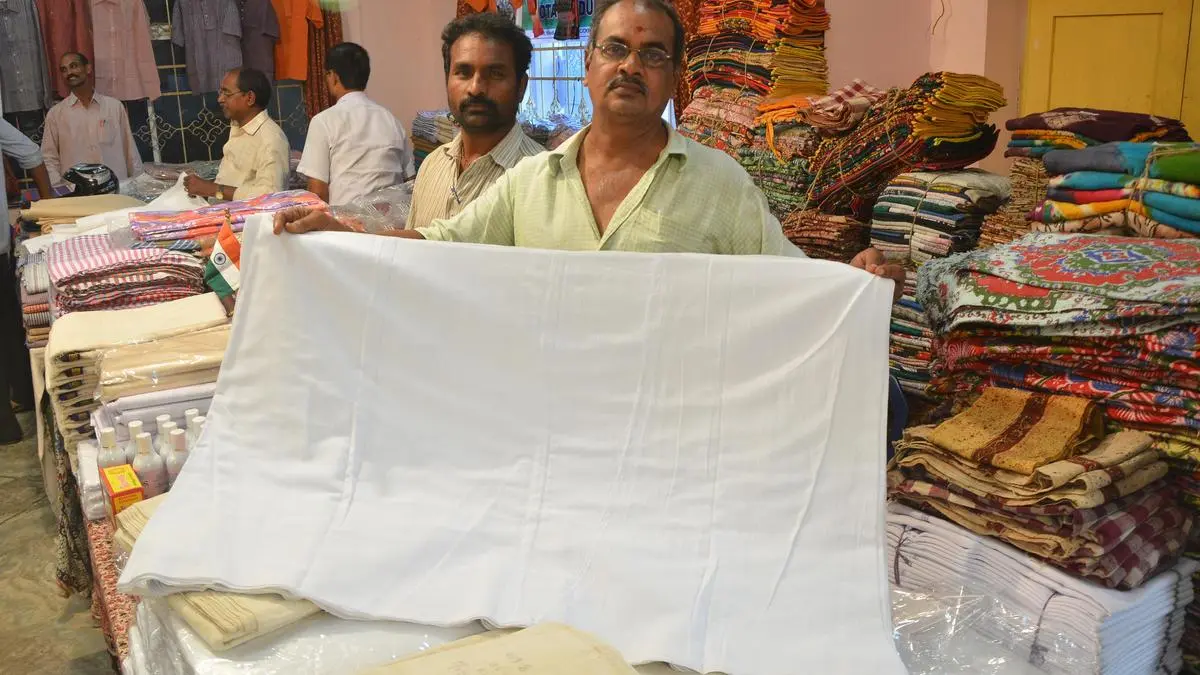
Ponduru Khadi, a hand‑spun and hand‑woven cotton fabric from Srikakulam district in Andhra Pradesh, has received a Geographical Indication (GI) tag. The recognition not only protects the name of this exquisite cloth but also acknowledges the skill and labour of the weavers who have preserved the craft for generations.
Background
Khadi is cloth made on a spinning wheel (charkha) using cotton, silk or wool. During India’s freedom movement, Mahatma Gandhi promoted khadi as a symbol of self‑reliance and resistance to British imports. The town of Ponduru, on the banks of the Nagavali River, became famous for producing the finest variety of cotton khadi. Gandhi visited the village in the 1920s and admired its ultra‑fine yarn.
Ponduru khadi uses cotton grown in nearby hills, locally known as Patnulu or hill cotton. The entire production process—from cleaning and ginning the cotton to spinning and weaving—is done by hand within the community. The result is a fabric so soft and light that a nine‑yard sari can pass through a wedding ring.
Unique production process
- Cleaning with fish jawbone: Artisans use the jawbone of a catfish (Wallago attu) to comb the cotton fibres and remove seeds. This gentle method avoids breaking the fibres and helps produce a very fine thread.
- Hand ginning and carding: Small amounts of cotton are pressed with a metal or wooden roller to separate fibres from seeds. The fibres are then fluffed with a bow‑like instrument, preparing them for spinning.
- Spinning: The cotton is spun on a traditional single‑spindle charkha. Skilled women twist the fibres into a thread of uniform thickness and exceptional fineness.
- Weaving: The yarn is woven on simple handlooms into saris, towels and fabrics. Each piece has slight variations, which give it character and authenticity.
About the GI tag
- Legal protection: The GI certificate covers Ponduru khadi under textile classes 23, 24 and 25. The Khadi and Village Industries Commission (KVIC) is listed as the proprietor, meaning only authorised producers in the region can market their fabric as Ponduru khadi.
- Recognition of heritage: The GI tag acknowledges the centuries‑old craft and protects it from imitation. It also highlights the role of Ponduru weavers in India’s independence and cultural history.
- Boost for weavers: The tag is expected to increase demand and ensure better prices for the artisans. Government support may follow in the form of marketing assistance, training and improved access to markets.
Conclusion
By honouring Ponduru khadi with a GI tag, India recognises the skill and dedication of artisans who continue to produce handcrafted textiles in an age of mechanisation. The recognition should pave the way for sustainable livelihoods and renewed appreciation of traditional crafts.
Source: TH