Why in news?
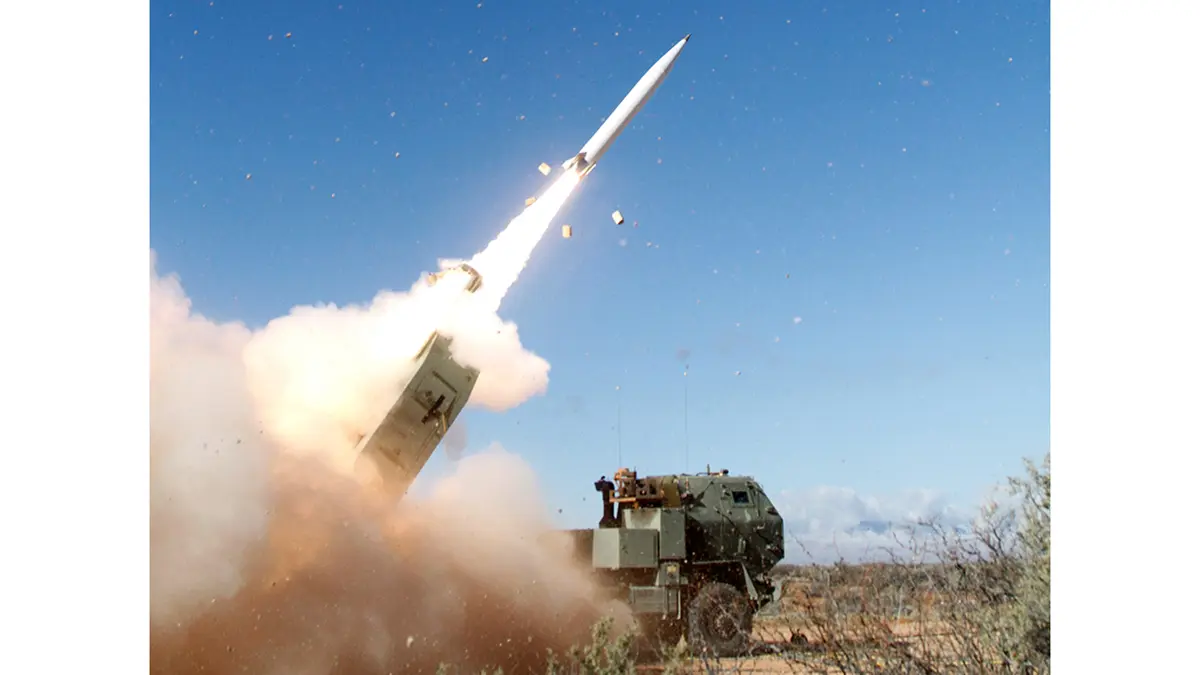
The United States military reportedly used a new weapon, the Precision Strike Missile (PrSM), in its conflict with Iran in early March 2026. Analysts said this marked the first combat deployment of the missile, which has been in development by Lockheed Martin for the U.S. Army. The incident drew attention to a new generation of long-range artillery.
Background
After the United States withdrew from the Intermediate-Range Nuclear Forces Treaty in 2019, it began developing ground-launched missiles with ranges previously banned. The Precision Strike Missile is intended to replace the aging Army Tactical Missile System (ATACMS) and provide greater range and accuracy. In 2024 the missile underwent several test flights, demonstrating its capability.
Features of the PrSM
- Range and payload: Designed to strike targets between 60 km and nearly 500 km away, the missile carries a high-explosive warhead in a smaller body than ATACMS.
- Open-architecture design: Its electronics and software use open standards, allowing upgrades with new sensors, seekers or communications systems.
- Compatibility: The missile is launched from the Army’s existing High-Mobility Artillery Rocket System (HIMARS) and Multiple Launch Rocket System (MLRS) launchers. Each launcher can carry two PrSM rounds.
- Guidance: PrSM uses GPS and inertial navigation to fly a precise trajectory, enabling it to hit fixed targets with minimal collateral damage.
Implications
Deployment of the PrSM indicates the U.S. Army’s shift toward longer-range, precision-guided fires on the battlefield. It may prompt similar developments by other countries and influence future arms-control discussions. For India and its neighbours, understanding such systems is important in the broader context of regional security.
Source: Al Jazeera