Why in news?
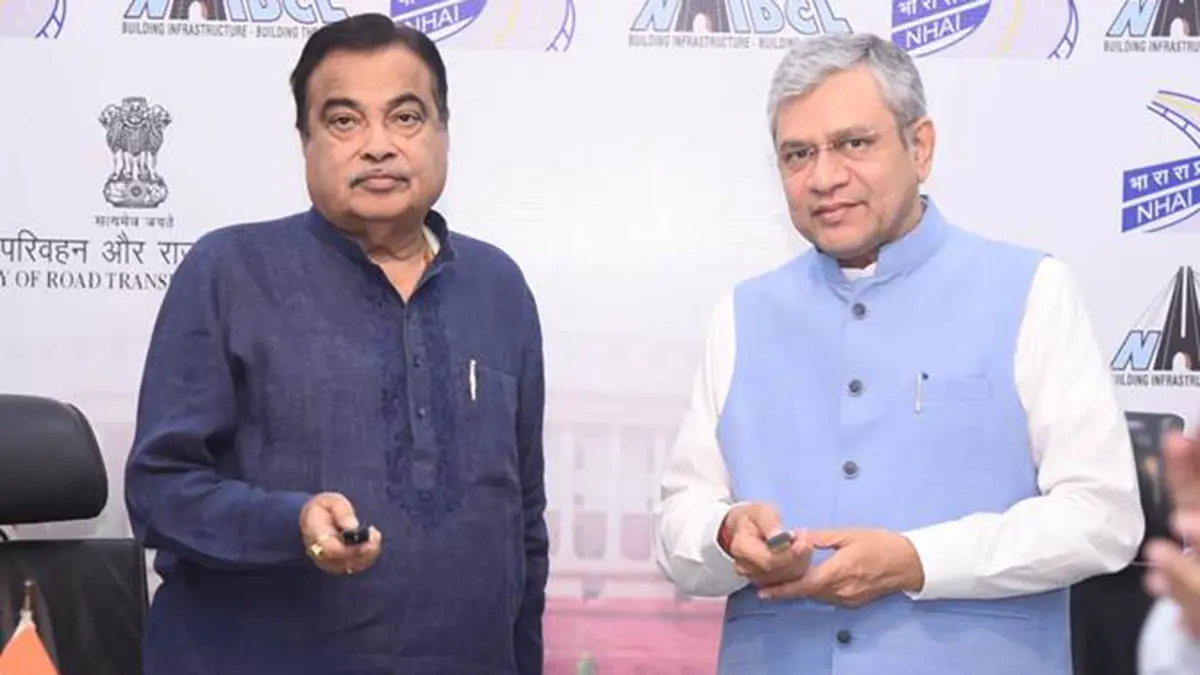
On 25 March 2026 the Union Ministers for Road Transport and Highways and Railways jointly launched the Portal for Rail‑Road Inspection & Stages Management – Steel Girders (PRISM‑SG) in New Delhi. The portal digitises key approval and inspection processes for Road Over Bridges (ROBs), including review of design drawings, quality assurance plans and fabrication stages. The digital workflow is expected to cut approval timelines from roughly 12 months to three or four months, thereby accelerating the construction of bridges and improving connectivity.
Background
India’s road network includes thousands of level crossings where national and state highways intersect railway tracks. To improve safety and reduce delays, these crossings are progressively being replaced by Road Over Bridges (ROBs). Building an ROB requires coordination between road‑owning departments (such as state Public Works Departments) and the railways. Approvals typically cover the General Arrangement Drawing, structural calculations, quality assurance plans, welding procedures and inspection of steel girders. Until recently, only some of these approvals were online through the Railway Remote Construction Approval System (RRCAS), while others relied on physical submissions and paper correspondence. Such piecemeal and offline methods caused delays and poor visibility into project status.
What the PRISM‑SG portal does
- End‑to‑end online workflow: Engineers and contractors can submit drawings, quality assurance plans and welding procedures through the portal. The system routes documents to the appropriate railway authorities for scrutiny, allows queries to be raised and resolved, schedules inspections and records outcomes. All actions are timestamped, creating an audit trail.
- Integrated stakeholder platform: PRISM‑SG brings together road‑owning agencies, Indian Railways, contractors, fabricators and inspection bodies on a single digital platform. This reduces miscommunication and enables real‑time coordination.
- Real‑time monitoring: Project managers can track the status of each approval, view pending queries and download inspection reports. This transparency helps identify bottlenecks quickly and ensures accountability.
- Reduced timelines: By replacing manual paperwork with electronic submissions and automated notifications, the portal aims to shrink the approval and inspection cycle from about a year to just three or four months. Faster approvals translate into earlier commissioning of bridges and improved road and rail connectivity.
Significance
- Enhanced safety and convenience: ROBs eliminate level crossings, reducing the risk of accidents and traffic jams. Speedy approvals through PRISM‑SG will help build more bridges, improving safety for motorists and pedestrians.
- Improved project management: Having all documents and approvals in one system allows engineers to track progress and allocate resources efficiently. This reduces cost overruns and encourages standardisation of designs.
- Transparency and accountability: An online audit trail reduces opportunities for corruption and ensures that each stakeholder’s actions are documented. Real‑time dashboards also enable higher authorities to monitor performance and intervene when delays occur.
- National connectivity: Efficient completion of ROBs and railway bridges is crucial for seamless movement of goods and passengers. The portal supports the government’s aim to modernise infrastructure and promote economic growth.
Conclusion
The PRISM‑SG portal represents a shift from paper‑based approvals to an integrated digital system. By streamlining documentation and fostering coordination between road and rail authorities, the portal is expected to reduce delays, enhance safety and accelerate infrastructure development. In the long run it may serve as a model for other complex infrastructure projects where multiple agencies must collaborate.