
Why in news?
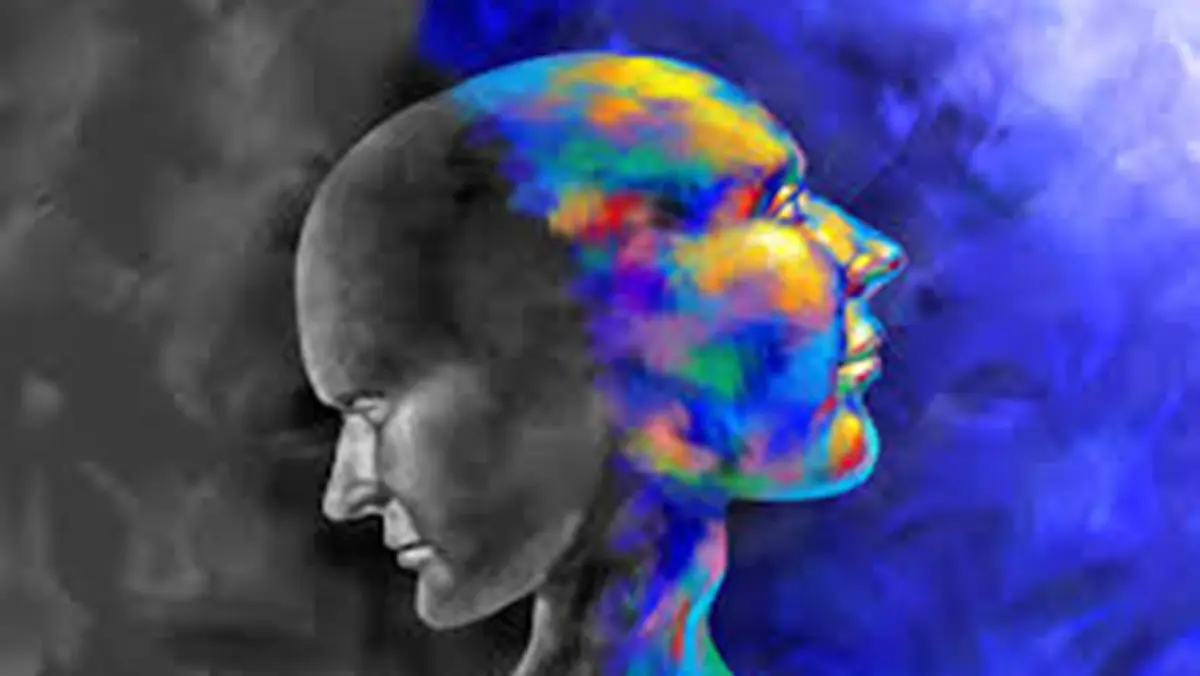
A multi‑country study published in Nature Medicine analysed more than 500 brain scans from 267 people and found that psychedelic substances such as LSD, psilocybin, DMT, mescaline and ayahuasca temporarily disrupt the brain networks that underpin our sense of self. The findings suggest that under controlled conditions these substances may help researchers understand consciousness and develop treatments for mental health disorders.
Background
Psychedelics are psychoactive substances that cause profound changes in perception, mood and cognition. Humans have used them for spiritual and therapeutic purposes for millennia. Modern science distinguishes between classical psychedelics—such as LSD (lysergic acid diethylamide), psilocybin (found in magic mushrooms), DMT (dimethyltryptamine) and mescaline—and non‑classical psychedelic‑like substances like ketamine and MDMA. These compounds act primarily on serotonin or glutamate receptors in the brain, leading to hallucinations, euphoria and altered thought patterns. They are not physically addictive but can induce tolerance and, in uncontrolled settings, adverse psychological reactions.
What the new study found
- Increased connectivity: Brain imaging showed that psychedelics increased communication between regions of the brain that are normally separate. This greater connectivity blurs the boundaries between sensory input and internal thoughts, which may explain the vivid imagery and sense of oneness reported by users.
- Disruption of self‑referential networks: The study noted that the default mode network—often associated with self‑reflection and autobiographical memory—was temporarily reduced in activity. This reduction may underlie the feeling of ego dissolution or “losing oneself.”
- Therapeutic potential: Early clinical trials suggest that psychedelics, when used under medical supervision, may alleviate depression, anxiety and post‑traumatic stress disorder by enabling patients to break rigid thought patterns. However, more research is required to determine optimal doses and long‑term safety.
Regulation in India
In India, psychedelics like LSD and psilocybin are classified as psychotropic substances under the Narcotic Drugs and Psychotropic Substances Act 1985. Their manufacture, sale and possession are illegal without special licences granted for scientific research. Advocates urge careful reforms that allow medical studies while preventing misuse.
Understanding the risks
Psychedelics are potent and can cause confusion, anxiety and unpredictable behaviour if taken without guidance. Health experts stress that any therapeutic use must be conducted by trained professionals in controlled environments. Combining such drugs with alcohol or other substances increases the risk of harm.
Source: HealthDay, Cleveland Clinic, NDPS Act

