

Why in news?
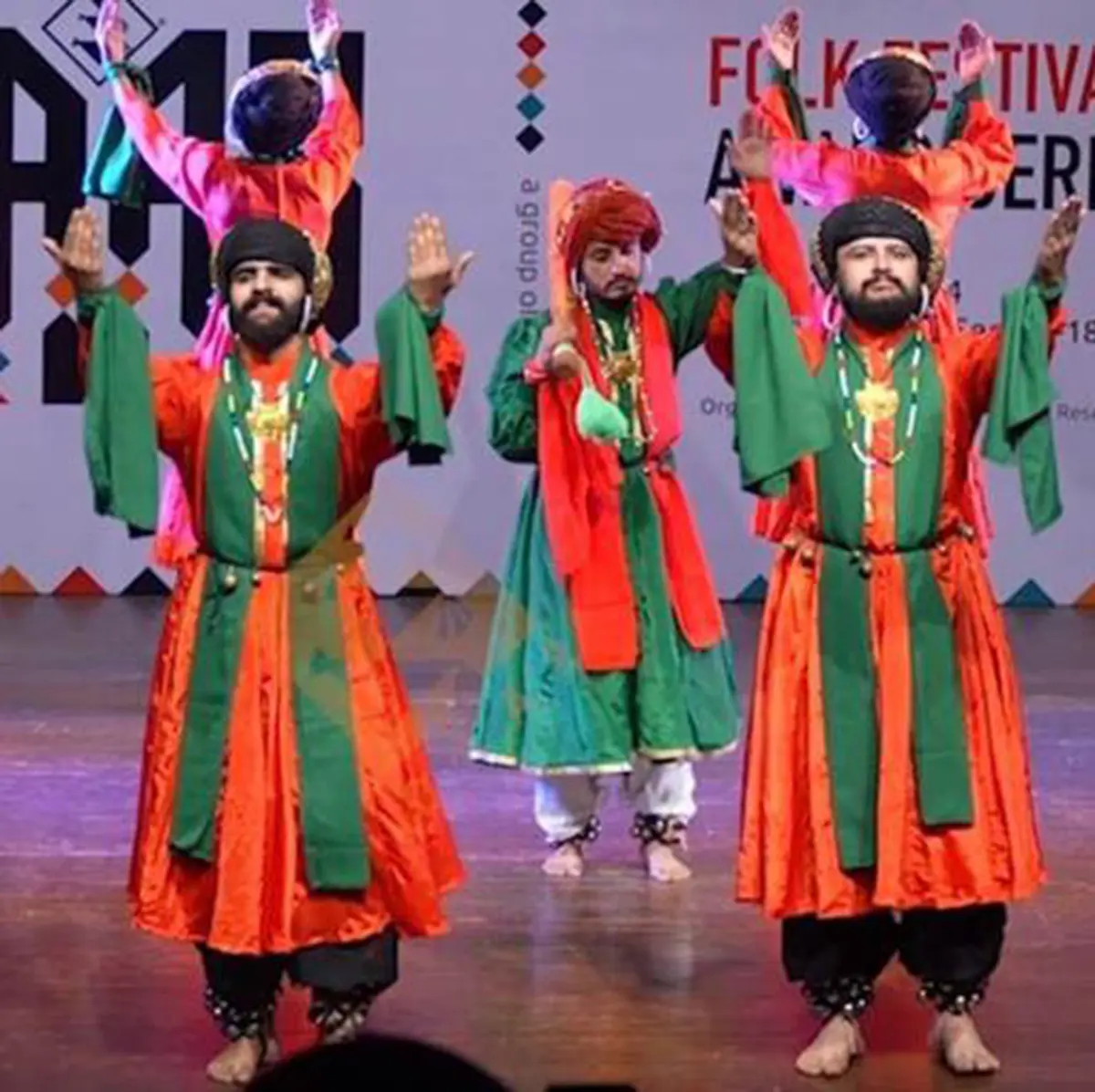
At the government‑organised Bharat Parv 2026 festival in New Delhi, the Punjabi Folk Orchestra captivated audiences with traditional melodies, while artists performed the vibrant Qalandri Dhamal. The event showcased India’s diverse cultural heritage and invited people to experience Punjab’s musical traditions.
Background – Punjabi Folk Orchestra
The Punjabi Folk Orchestra is an ensemble created to preserve and present the state’s folk music in a contemporary format. Instead of focusing on a single singer, it brings together multiple vocalists and instrumentalists who perform collectively. The orchestra was formed by students and teachers of Punjab’s Department of Tourism and Cultural Affairs.
Key features of the orchestra
- Traditional instruments: The ensemble uses classic instruments such as the dhol (double‑sided drum), dholki, nagara, flute, chimta (tongs with jingles), sap (wooden clapper) and taal‑koze (small cymbals). Each instrument contributes its own rhythm and tone.
- Group singing: Multiple singers harmonise folk songs, which helps preserve lyrics passed down orally. The songs often describe farming cycles, love stories and Sufi themes.
- Presentation style: The group arranges songs in a structured way, similar to a Western orchestra, while retaining the raw energy of Punjabi folk music. Young performers learn teamwork and respect for tradition.
- Cultural promotion: By performing at national festivals, the orchestra exposes audiences to rural Punjab’s art forms and encourages younger generations to take pride in their heritage.
Qalandri Dhamal – a Sufi folk dance
Alongside the orchestra, performers presented the Qalandri Dhamal, a dance associated with the Sufi saint Lal Shahbaz Qalandar. The dance is characterised by spinning, rhythmic stomping and the use of ankle bells (ghungroos). Participants move in circles with arms raised, symbolising spiritual ecstasy.
- Spiritual roots: Qalandri Dhamal is performed at shrines and festivals across Punjab, Sindh and Balochistan. It celebrates divine love and communal harmony, transcending caste and religious boundaries.
- Movements: Dancers rotate continuously while stamping their feet to the beat of drums. The circular motion represents the perpetual search for the divine.
- Inclusivity: Men and women of all ages join the dance, creating a sense of unity and joy. The performance at Bharat Parv highlighted India’s pluralistic culture.
Significance
By featuring the Punjabi Folk Orchestra and Qalandri Dhamal on a national stage, Bharat Parv emphasised the importance of preserving regional traditions. Such performances inspire pride in local culture and remind audiences that India’s strength lies in its diversity.
Source: PIB