

Why in news?
In December 2025 the Australian Technical Advisory Group on Immunisation issued a travel advisory warning that counterfeit batches of the rabies vaccine Abhayrab had circulated in India in late 2023. The advisory recommended that travellers who had received doses in India seek revaccination with Australian‑registered vaccines. Indian Immunologicals Limited, the manufacturer of Abhayrab, promptly clarified that the incident involved a single counterfeit batch discovered and removed from circulation in January 2025 and that all vaccines supplied through authorised channels are safe.
Background on rabies
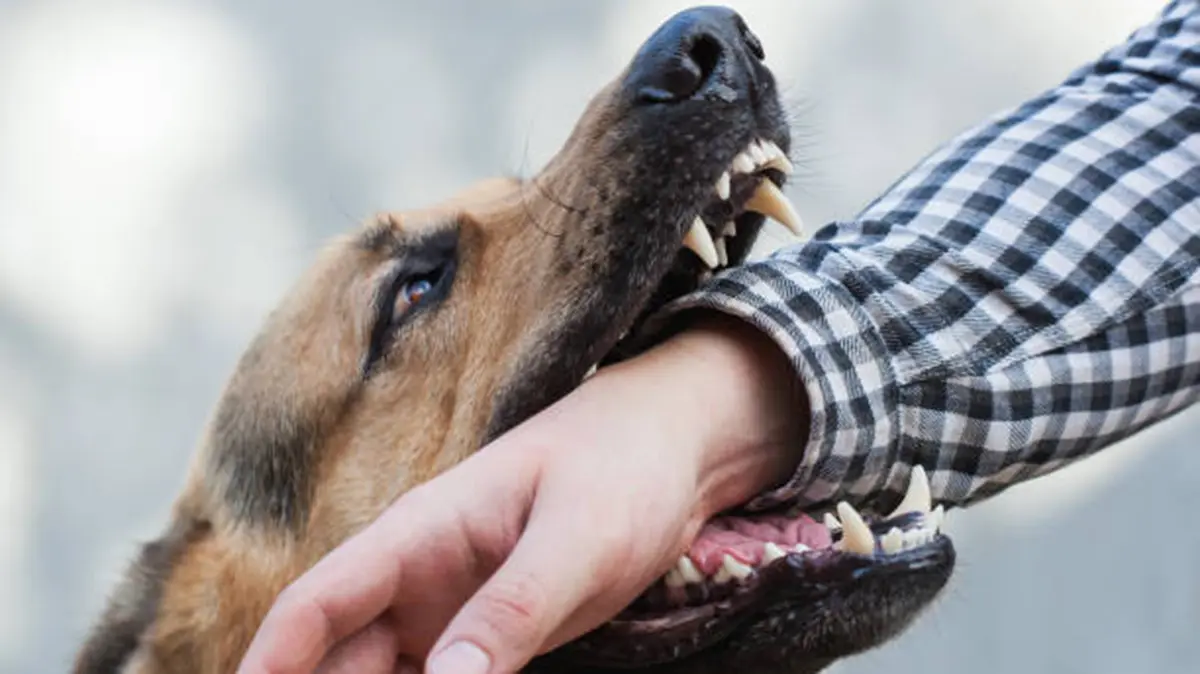
Rabies is a viral zoonotic disease that affects the central nervous system. It is almost always fatal once symptoms appear but is entirely preventable through vaccination and prompt post‑exposure treatment. Up to 99 percent of human rabies cases are transmitted by dogs through bites or scratches. In India, rabies causes an estimated 20,000 human deaths each year, accounting for about one‑third of the global burden. To combat this, the Government of India and the World Health Organization launched the National Action Plan for Dog‑Mediated Rabies Elimination (NAPRE) 2030 in 2021, adopting a One Health approach that brings together human, animal and environmental health sectors.
Key messages from the advisory and response
- Counterfeit vaccine warning: The Australian advisory noted that fake doses of Abhayrab differed in formulation and packaging from the genuine product. Travellers vaccinated in India since November 2023 were advised to confirm the authenticity of their doses or receive replacement vaccinations.
- Manufacturer’s clarification: Indian Immunologicals Limited stated that it had discovered a packaging anomaly in one batch (KA 24014) in January 2025, immediately informed regulators and removed the counterfeit doses from the market. The company emphasised that over 210 million doses of Abhayrab have been safely administered since 2000 and that all batches are tested by the Central Drugs Laboratory before release.
- Importance of vaccination: Rabies vaccines are crucial because the disease is virtually 100 percent fatal once clinical signs appear. Post‑exposure prophylaxis, including wound cleansing, rabies immunoglobulin and a series of vaccine doses, can prevent disease if given promptly after exposure.
- Travellers’ precautions: People visiting rabies‑endemic areas should consider pre‑exposure vaccination, avoid contact with stray animals, carry soap for immediate wound washing and seek medical attention promptly if bitten or scratched.
Elimination efforts in India
- One Health approach: NAPRE 2030 emphasises coordinated efforts between the health, veterinary and environmental sectors. It makes rabies a notifiable disease and aims to vaccinate 70 percent of the dog population annually to interrupt transmission.
- Community engagement: Public awareness campaigns encourage responsible pet ownership, dog sterilisation and timely vaccination. Rural areas, where rabies awareness is low, are a focus of education and outreach programmes.
- Surveillance and reporting: Improved reporting systems and laboratory diagnostics help track human and animal rabies cases, enabling targeted interventions and evaluation of progress.
Conclusion
The temporary counterfeit vaccine scare underscores the importance of vigilance and transparent communication in public health. Ensuring the quality of vaccines and educating people about prompt post‑exposure treatment are crucial to preventing deaths from rabies. With sustained effort under the National Action Plan for Dog‑Mediated Rabies Elimination, India aims to rid itself of this ancient scourge by 2030.
Source: The Hindu