Why in news?
The Ministry of Textiles has extended the RoSCTL scheme for exports of apparel and made‑ups until 30 September 2026. This extension ensures that garment exporters continue to receive rebates on embedded State and Central taxes and levies, helping them remain competitive in global markets.
Background
India introduced the Rebate of State Levies (RoSL) scheme in 2016 to refund taxes embedded in the cost of exported garments. However, RoSL covered only state levies. In March 2019 the government replaced RoSL with the Rebate of State and Central Taxes and Levies (RoSCTL) scheme so that exporters could receive refunds for both state and central taxes. The scheme complements the duty drawback mechanism by offsetting taxes not refunded through drawback, such as VAT, electricity duty and mandi tax.
Key features
- Duty credit scrips: Exporters receive rebates in the form of duty credit scrips, which can be used to pay basic customs duty on imported inputs. These scrips are issued electronically on the customs system and are freely transferable.
- Validity: Each e‑scrip is valid for one year from its creation, regardless of whether it is transferred to another entity.
- Eligibility: All exporters of garments and made‑ups manufactured in India are eligible except entities on the Directorate General of Foreign Trade’s Denied Entity List.
- Implementing agency: The scheme is implemented by the Department of Revenue, Ministry of Finance, in coordination with the Ministry of Textiles.
- Objective: To ensure full remission of embedded taxes and levies so that Indian apparel and made‑up products can compete with those from countries where such taxes are not part of production costs.
Difference between RoSL and RoSCTL
Under the RoSL scheme, exporters could claim refunds only on state taxes. The RoSCTL scheme broadened the rebate to include central taxes such as excise duty on fuel and central GST embedded in inputs. As a result, the scheme offers a more comprehensive remission of taxes and reduces the effective cost of exports.
Significance
- Enhanced competitiveness: By refunding all embedded taxes and levies, the scheme lowers production costs and allows Indian garment exporters to price their products more competitively in international markets.
- Encouraging exports: The extension of RoSCTL until September 2026 provides policy certainty for exporters, enabling them to plan long‑term orders and investments.
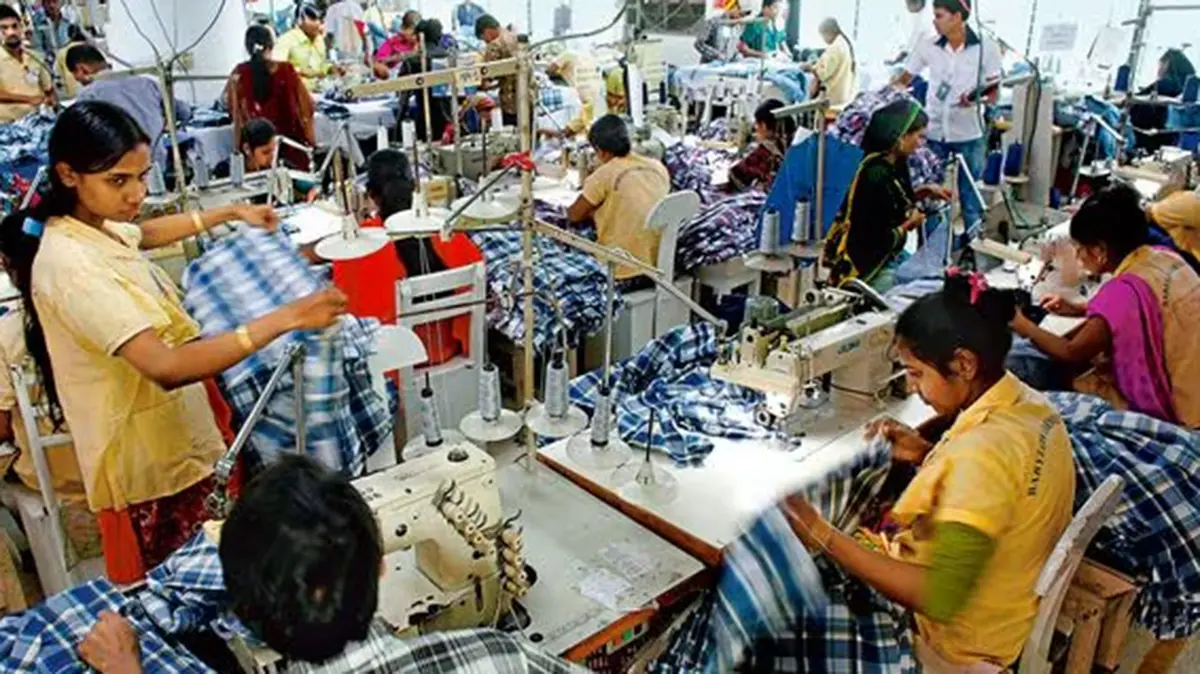
- Supporting employment: The textile and apparel sector is labour‑intensive; supporting exports sustains millions of jobs, especially among women in rural and semi‑urban areas.
Conclusion
The RoSCTL scheme is a critical pillar of India’s export incentive framework for apparel and made‑ups. Its extension signals the government’s intent to support this labour‑intensive sector, bolster foreign exchange earnings and promote Make in India.
Source: PIB