

Why in news?
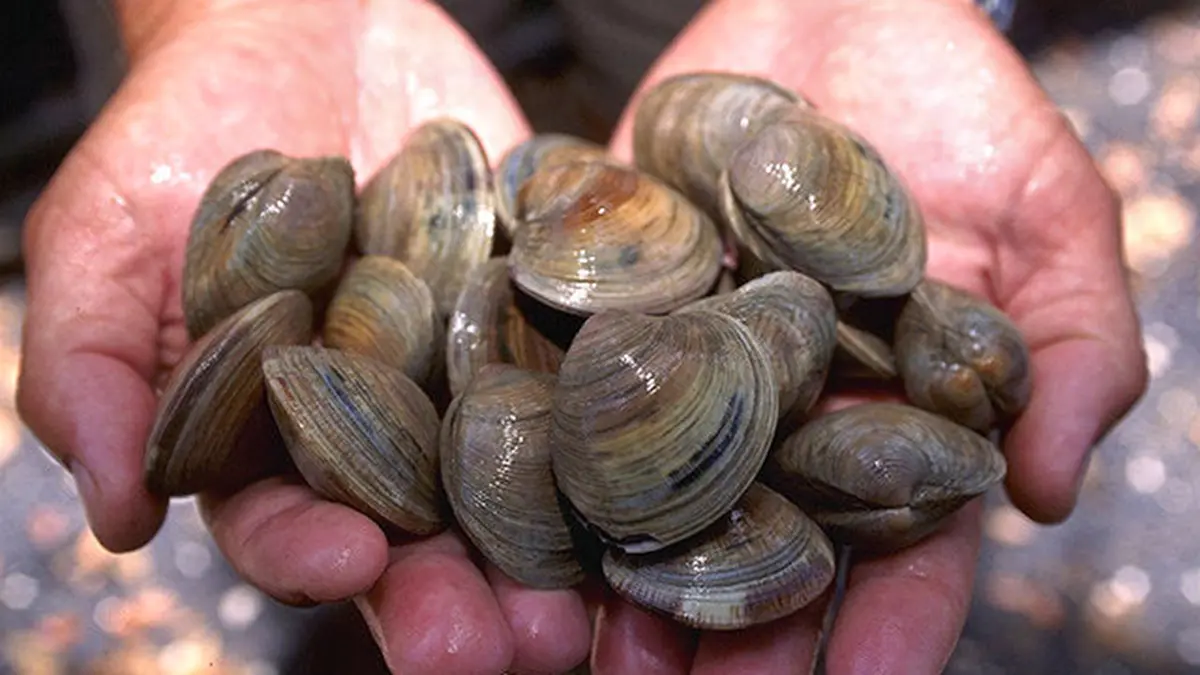
The Central Marine Fisheries Research Institute (ICAR‑CMFRI) has reported encouraging signs of recovery for the short‑neck clam population in Kerala’s Ashtamudi Lake. Hatchery‑produced seeds released into the lake a year ago have survived and grown to market size, indicating that stock enhancement is working.
Background
The short‑neck clam (Paphia malabarica) is a bivalve mollusc harvested for food and export. Ashtamudi Lake, a Ramsar wetland, hosts a major clam fishery that provides income to local communities. The fishery suffered a serious decline after the 2018 floods and subsequent environmental changes, prompting authorities to introduce hatchery‑reared juveniles to rebuild the stock.
Findings from the field
- High survival rates: Around three million clam seeds were released in 2024. Monitoring shows that nearly 80 percent have survived and reached an average shell length of 34 mm within seven months.
- Spatfall and growth: Researchers observed natural spatfall and increased standing stock, suggesting that both the released juveniles and wild populations are reproducing.
- Need for fishery closure: Scientists recommend a harvest ban from December 1 to protect the spawning season (October–February). Such closures can help ensure that clams mature and reproduce before being collected.
About short‑neck clams
- Habitat: These clams live buried in sandy or muddy bottoms of estuaries and lagoons. They filter feed on plankton and organic matter.
- Economic value: In India, short‑neck clams are harvested for domestic consumption and export to Southeast Asian markets, where they are considered a delicacy.
- Management: Sustainable harvest limits, seasonal closures and stock enhancement through hatcheries are crucial for conserving the species while supporting fisher livelihoods.
Conclusion
The recovery of short‑neck clams in Ashtamudi Lake demonstrates how science‑based interventions can revitalise depleted fisheries. Continued monitoring, community cooperation and adherence to seasonal closures will be key to maintaining the lake’s ecological balance and economic value.
Source: TH