

Why in news?
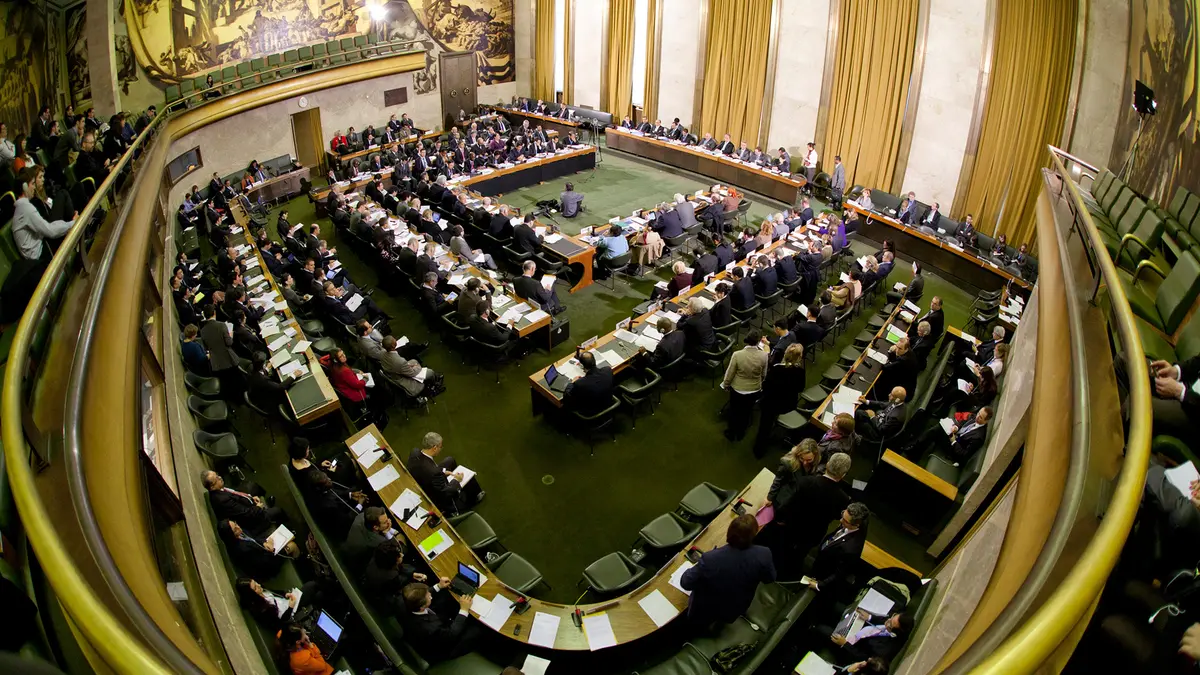
At the 50th‑anniversary conference of the Biological Weapons Convention (BWC) in Geneva, External Affairs Minister S. Jaishankar urged the global community to modernise the treaty and strengthen biosecurity frameworks. He warned that advances in biotechnology and gene editing could be misused by state and non‑state actors and called for comprehensive compliance mechanisms and equitable capacity building. India proposed developing a national implementation framework for high‑risk biological agents and emphasised its contributions to global health, including vaccine production during the COVID‑19 pandemic.
Background
The Biological Weapons Convention is the world’s first multilateral disarmament treaty to ban an entire class of weapons. Negotiations began in the late 1960s and the treaty opened for signature on 10 April 1972. It entered into force on 26 March 1975 and currently has 187 States Parties and four signatories. The BWC prohibits the development, production, stockpiling, acquisition and transfer of biological agents and toxins that have no justification for peaceful purposes, along with their delivery systems. States must destroy or divert existing stockpiles within nine months of joining and are expected to consult and cooperate to resolve compliance concerns. Unlike the Chemical Weapons Convention, the BWC has no formal verification regime; states can lodge complaints with the UN Security Council, but enforcement relies largely on national implementation and confidence‑building measures.
India’s call for reform
- Modernising compliance: Minister Jaishankar highlighted that the BWC lacks a permanent technical body and robust verification tools. He urged the creation of transparent compliance mechanisms to keep pace with advances in synthetic biology and genomic editing.
- National implementation framework: India proposed developing domestic legislation and oversight structures for high‑risk biological agents and dual‑use research. Such a framework would regulate laboratories, licensing and handling of dangerous pathogens while supporting beneficial research.
- Inclusive capacity building: Developing countries often lack laboratories, trained personnel and disease surveillance systems. India called for equitable sharing of technology and resources to strengthen global preparedness against biological threats.
- India’s contributions: During the COVID‑19 pandemic India produced billions of vaccine doses, many of which were supplied abroad through humanitarian initiatives like Vaccine Maitri. India also pioneered low‑cost diagnostics and emphasised open access to genetic sequencing data.
Challenges ahead
- Absence of verification: The BWC relies on trust among states. Without on‑site inspections or verification, it is difficult to detect clandestine biological weapons programmes. Past violations by states demonstrate this weakness.
- Evolving technologies: Rapid advances in gene editing, synthetic biology and artificial intelligence reduce the technical barriers to weaponising pathogens. Dual‑ use research can blur the line between legitimate science and weapon development.
- Bioterrorism threat: Non‑state actors could exploit readily available materials to create biological agents. Strengthening national laws, laboratory security and global information sharing is vital to counter such threats.
Conclusion
Half a century after it came into force, the Biological Weapons Convention remains a cornerstone of international security, but its effectiveness depends on political will and modernisation. India’s call for stronger compliance, better technology governance and inclusive capacity building reflects the need to adapt to the biotechnology revolution. A robust and transparent biosecurity regime will help prevent misuse of science while fostering beneficial research and global cooperation.
Source: DD News report