Why in news?
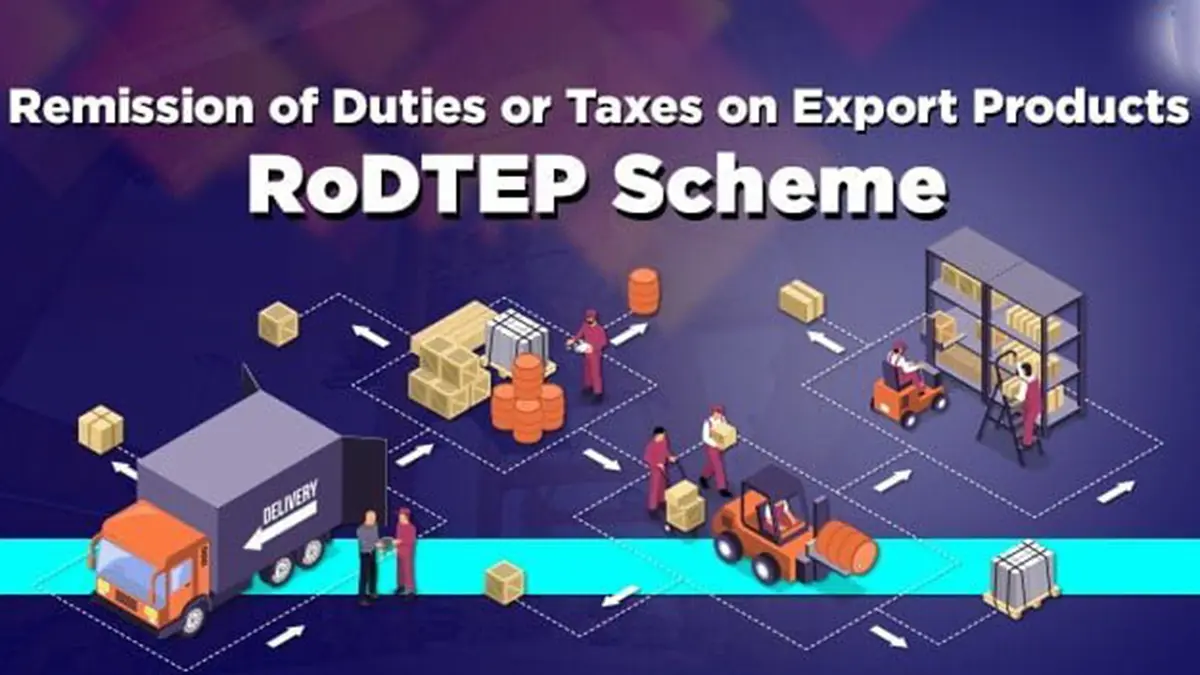
In response to disruptions in West Asian maritime trade, the government has restored the previously reduced rates and value caps under the Remission of Duties and Taxes on Exported Products (RoDTEP) scheme. The restoration reverses a temporary 50 percent cap introduced in February 2026 and ensures that exporters receive full reimbursement of embedded taxes and duties on their products. The measure aims to maintain the competitiveness of Indian goods in a turbulent global market.
Background
RoDTEP came into effect on 1 January 2021 to replace the earlier Merchandise Exports from India Scheme (MEIS), which had been challenged at the World Trade Organization. The new scheme is compliant with WTO norms and reimburses various central and state levies, such as value‑added tax on fuel and electricity, that exporters cannot claim elsewhere. It is implemented through a digital platform, with benefits credited in the form of transferable electronic scrips.
Key features
- Coverage: The scheme covers all sectors but gives priority to labour‑intensive industries such as textiles, leather, agriculture, gems and jewellery. Both manufacturer and merchant exporters, as well as units in Special Economic Zones (SEZs) and Export Oriented Units (EOUs), are eligible.
- Refund mechanism: Eligible exporters receive remission on duties and taxes that are not otherwise refunded. Credits are issued electronically and can be used to pay customs duties on future imports.
- Exclusions: Products exported for re‑importation, supplies to special economic projects and exports where other drawback schemes apply are not eligible for RoDTEP benefits.
- Digital administration: The scheme operates through an online portal where exporters submit shipping bills and receive credits. This paperless system reduces processing time and enhances transparency.
Significance
- Boosting competitiveness: By refunding taxes that would otherwise be embedded in the price of goods, RoDTEP helps Indian products compete in overseas markets, especially at a time when freight costs and supply chains are volatile.
- Supporting MSMEs: Small and medium enterprises benefit the most from the scheme because they lack resources to absorb hidden costs.
- Policy stability: Restoring full rates reinforces confidence among exporters that government policies remain supportive during global disruptions.
Source: PIB