

Why in news?
Observers spotted a rare U.S. Air Force RQ‑170 “Sentinel” stealth drone returning to Roosevelt Roads Naval Station in Puerto Rico after American forces conducted overnight strikes in Venezuela. The appearance of this secretive aircraft drew attention because the RQ‑170 is seldom seen in public.
Overview
The RQ‑170 Sentinel is a high‑altitude, long‑endurance unmanned aerial vehicle (UAV) developed by Lockheed Martin’s Skunk Works division for the U.S. Air Force. First flown in the mid‑2000s, it is designed for intelligence, surveillance, target acquisition and reconnaissance (ISTAR) as well as electronic warfare missions. The aircraft gained the nickname “Beast of Kandahar” after photographs of it emerged from operations over Afghanistan around 2009.
Design and capabilities
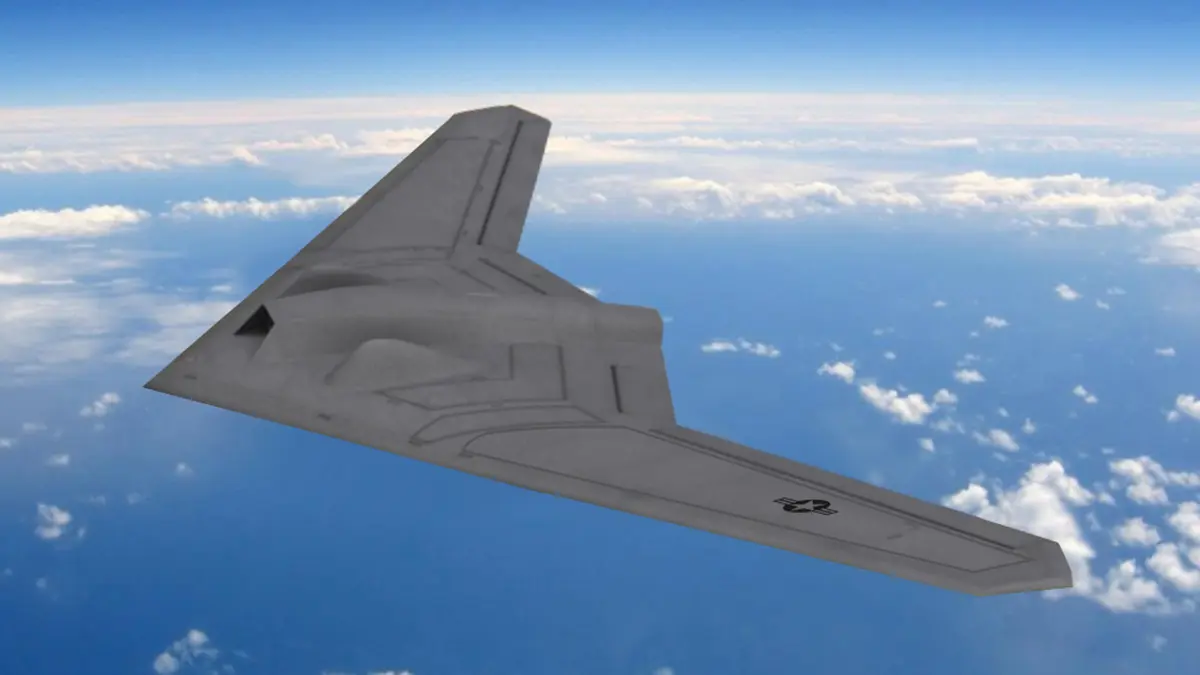
- Flying‑wing configuration: The Sentinel’s sleek, tailless design resembles a smaller version of the B‑2 Spirit bomber. Analysts estimate it is about 4.5 m long, 1.8 m tall and has a wingspan between 20 and 26 metres.
- Low observability: The aircraft’s blended‑wing body, internal engine and radar‑absorbent materials make it difficult to detect on radar. Around 90 % of the airframe is thought to be composite material to reduce weight and radar signature.
- Sensors: Defence analysts believe the Sentinel carries an active electronically scanned array radar, synthetic aperture radar and signals intelligence equipment. A sensor turret beneath the nose provides real‑time imagery to ground stations via secure data links.
- Engine and performance: Though official details remain classified, the UAV is believed to use a single jet engine such as the General Electric TF34 or the Honeywell TFE731, allowing it to operate at altitudes around 15,000 metres (50,000 ft) for extended periods.
- Unarmed role: The “RQ” designation indicates a reconnaissance platform. Unlike armed drones, the Sentinel is used for surveillance and electronic warfare, not for launching weapons.
Because much of the RQ‑170’s design remains classified, each sighting provides a rare glimpse into America’s stealth UAV capabilities and their deployment in global operations.
Source: Army Recognition