
Why in news?
For more than two decades, residents of Mudh village in eastern Ladakh have been protecting the ruddy shelduck that visits their high‑altitude wetlands to breed. Their unique conservation efforts gained attention as an example of community stewardship of migratory birds.
Background
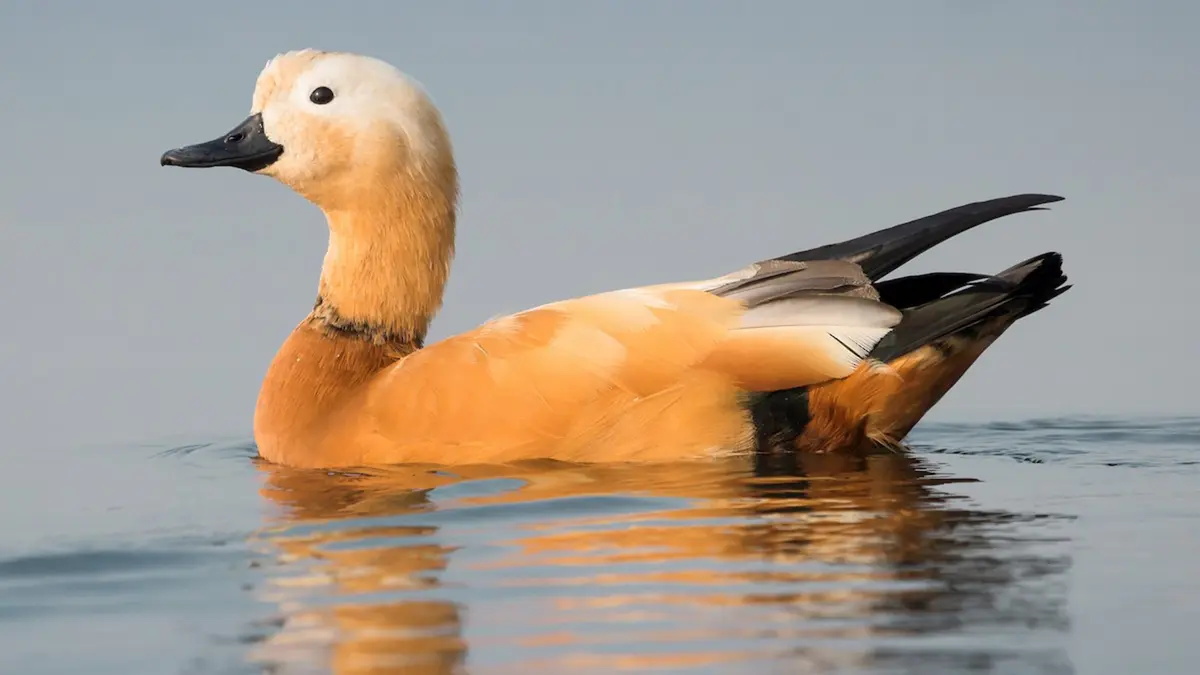
The ruddy shelduck (Tadorna ferruginea), also known in India as the Brahminy duck, is a striking orange‑brown waterfowl with a pale head and black tail feathers. It measures around 58–70 cm in length and has a wingspan of 110–135 cm. The species breeds in Central Asia and parts of Europe and migrates to South Asia, including the Himalaya, during the winter. In India, one of its few breeding sites is in Ladakh’s high‑altitude wetlands.
The Mudh village initiative
In 2003, during a visit to Ladakh, the Dalai Lama asked villagers in Mudh to take responsibility for protecting the ruddy shelduck. In response, 12 residents formed Cha Tsogspa (“bird association”) to monitor and safeguard the birds. Every year between June and August, volunteers escort families of shelducks from the Mudh valley to the Indus river. One adult bird leads the ducklings while another follows at the rear, and the villagers ensure they reach the river safely.
Challenges and outcomes
- Predator control: Stray dogs and disturbances along the migration route pose threats to chicks. Volunteers patrol the area and coordinate with authorities to mitigate these risks.
- Community empowerment: The initiative has deepened awareness of wildlife among villagers and fostered pride in protecting a species considered sacred by Buddhists. The association resolves conflicts with government agencies by emphasising the cultural and ecological importance of the birds.
- Conservation status: The ruddy shelduck is listed as “Least Concern” on the IUCN Red List, but its breeding sites in India are limited. Community involvement helps ensure that these sites remain safe, preventing any decline in the population.
Conclusion
The Mudh village story demonstrates how local communities can play a crucial role in wildlife conservation. By combining cultural values with practical stewardship, the villagers of Ladakh have created a model that other regions can emulate to protect migratory species.
Source: Down To Earth

