

Why in news?
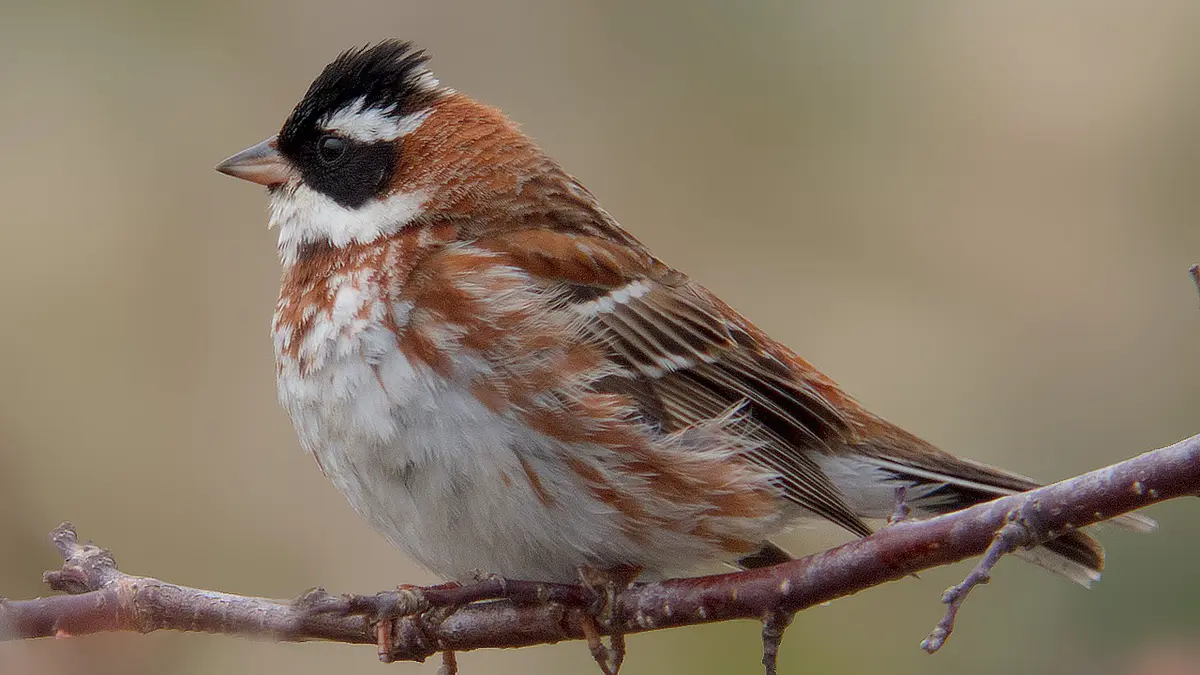
Birdwatchers in the Delhi–Gurugram region reported the sighting of a rustic bunting at Najafgarh Jheel in late November 2025. This is the first recorded appearance of the species in the National Capital Region and only a handful of sightings have been documented in India, making it a noteworthy event for ornithologists and conservationists.
Background
The rustic bunting (Emberiza rustica) is a small, seed‑eating passerine that breeds in the wet coniferous forests of northern Europe and Siberia. In winter it migrates to East Asia – primarily Japan, Korea and eastern China – although occasional birds stray to South Asia. Males in breeding plumage have a dark head with a reddish breast band, while females and non‑breeding males are more subdued with streaked flanks and a brownish head. Habitat loss and hunting led the International Union for Conservation of Nature (IUCN) to list the species as Vulnerable; however, recent surveys have upgraded its status to Near Threatened as some populations show signs of stabilisation.
Significance of the sighting
- Rare occurrence: The species’ normal wintering range is far east of the Indian subcontinent. Previous Indian records come mainly from Ladakh, Arunachal Pradesh and Kashmir; a sighting in the plains near Delhi suggests unusual migratory behaviour.
- Role of wetlands: Najafgarh Jheel, a remnant of the Sahibi River floodplain, provides shallow marshes and reedbeds that attract migratory birds. The presence of the bunting underscores the importance of protecting such wetlands from encroachment and pollution.
- Indicator of climate change: Ornithologists note that severe cold spells in northern Eurasia can push birds further south than usual. Monitoring these irregular movements can yield insights into how climate change affects migratory patterns.
- Public awareness: The sighting has excited local birdwatchers and highlights the growing interest in citizen science, which helps record and conserve biodiversity.
About rustic buntings
Rustic buntings are part of the Emberizidae family. Their diet consists mainly of seeds and insects. During breeding they build cup‑shaped nests on the ground or in low vegetation and lay clutches of four to six eggs. They are known for their melodic calls. Outside the breeding season they form small flocks and forage quietly on the forest floor or open fields. Conservation efforts focus on protecting their northern breeding grounds and wintering habitats, regulating trapping and hunting, and monitoring population trends.
Conclusion
The unexpected visit of the rustic bunting to Najafgarh Jheel offers a timely reminder of the rich avian diversity that thrives when wetlands are conserved. It demonstrates how climate and habitat shifts influence migration and underlines the need for continued vigilance to protect both local ecosystems and the migratory corridors that link them.
Source: Hindustan Times