

Why in news?
A recent population estimation by Odisha’s forest department recorded 1,858 saltwater crocodiles in the state, an increase of 32 individuals from the previous year. The exercise included a pilot drone‑based survey to improve counting accuracy.
Background
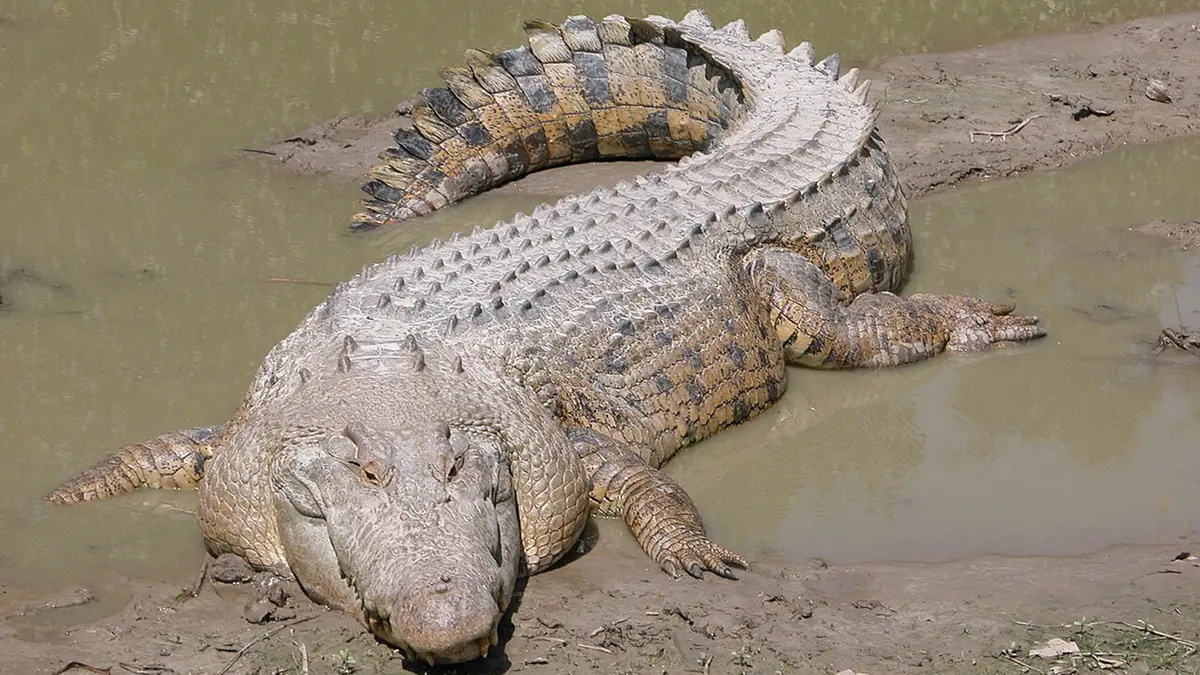
The estuarine or saltwater crocodile (Crocodylus porosus) is the world’s largest living reptile and an apex predator of brackish wetlands, rivers and mangroves. Odisha launched a crocodile conservation programme in 1975 after numbers had dwindled. Today the state is unique in hosting all three of India’s crocodilian species: the gharial, mugger and saltwater crocodile.
Census highlights
- Methodology: Surveys were conducted between 8 and 10 January 2026 across 54 river and creek segments in and around Bhitarkanika National Park, Gahirmatha Wildlife Sanctuary, the Mahanadi delta and the Devi river mouth. Twenty‑four teams used boat‑based counts during the day for adults and sub‑adults and night counts for hatchlings and juveniles using spotlights.
- Pilot drone survey: In December 2025, a pilot exercise tested drones and camera‑based identification to supplement traditional methods and reduce observer bias.
- Distribution: The highest crocodile numbers were recorded in the Kanika wildlife range, followed by Rajnagar, Mahakalpada and Gahirmatha ranges.
- Trend: The population has shown a steady upward trend, reflecting the effectiveness of conservation measures, though officials note that gharial recovery remains a challenge.
About saltwater crocodiles
- Size and behaviour: These crocodiles can exceed six metres in length and weigh over a tonne. Large males are solitary and fiercely territorial.
- Habitat: They inhabit estuaries, mangrove swamps and coastal rivers. In India they occur primarily in Odisha and West Bengal and around the Andaman and Nicobar Islands.
- Conservation status: The species is listed as Least Concern on the IUCN Red List, but local populations can still face threats from habitat loss, poaching and human–crocodile conflict.
Conclusion
The rise in saltwater crocodile numbers underscores the success of Odisha’s long‑running conservation programme. The use of drones and modern technology promises even more accurate monitoring, helping managers protect this apex predator while reducing conflicts with local communities.
Source: TH