

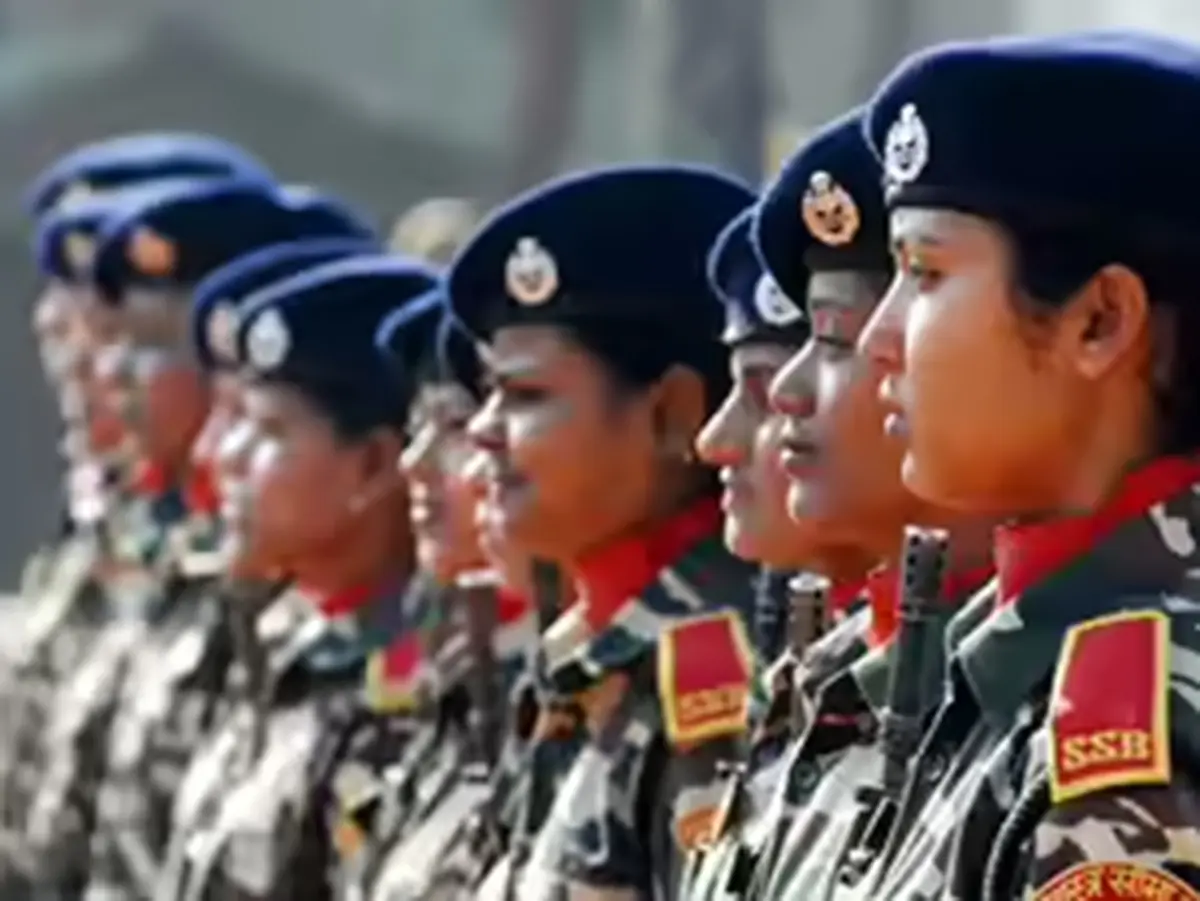
Why in news?
On 20 December 2025 the Sashastra Seema Bal celebrated its 62nd Raising Day. Prime Minister Narendra Modi and other leaders praised the force for safeguarding India’s borders with Nepal and Bhutan and for its role in disaster relief and national integration.
Background
The SSB is one of India’s Central Armed Police Forces. It was founded in 1963 as the Special Service Bureau after the 1962 Sino‑Indian conflict to train volunteers in guerrilla warfare and organise resistance behind enemy lines. In 2001 it was renamed Sashastra Seema Bal and given the mandate to guard the open and friendly borders with Nepal and Bhutan. The force falls under the Ministry of Home Affairs and is headed by a Director General.
Roles and responsibilities
- Border guarding: The SSB patrols more than 2,450 km of porous borders along Nepal and Bhutan to prevent smuggling, human trafficking and illegal migration. Its personnel are trained to operate in mountainous terrain and densely forested areas.
- Intelligence and security: Officers gather intelligence on cross‑border activities, assist state police forces in maintaining law and order and participate in counter‑insurgency operations in troubled regions.
- Civic action: Through medical camps, veterinary services and vocational training, the SSB builds goodwill among border communities. Programmes such as Sadbhavana foster trust and encourage villagers to cooperate in security efforts.
- Disaster response and UN missions: The force provides aid during natural disasters and has taken part in United Nations peace‑keeping operations abroad, demonstrating professionalism on the international stage.
Organisation
- The SSB is led by a Director General assisted by Additional Directors General and Inspectors General. It comprises more than 70 battalions, specialised training centres and intelligence wings.
- Personnel recruitment emphasises representation from border states, ensuring cultural and linguistic affinity with local communities.
- The motto “Service, Security and Brotherhood” reflects its commitment to national unity.
Significance
- As Nepal and Bhutan share deep cultural and economic ties with India and have open borders, effective policing requires sensitivity. The SSB’s community outreach helps maintain harmony while curbing trans‑border crimes.
- By participating in election duties and counter‑insurgency operations, the force supports democratic processes and internal security.
- Its humanitarian efforts, especially during disasters, build confidence in state institutions and exemplify cooperative federalism.