

Why in news?
The Union Cabinet approved a Rs 7,280 crore scheme to establish India’s first integrated supply chain for sintered rare‑earth permanent magnets. The initiative aims to reduce dependence on imported magnets and support electric vehicles, renewable energy and high‑tech industries.
Background
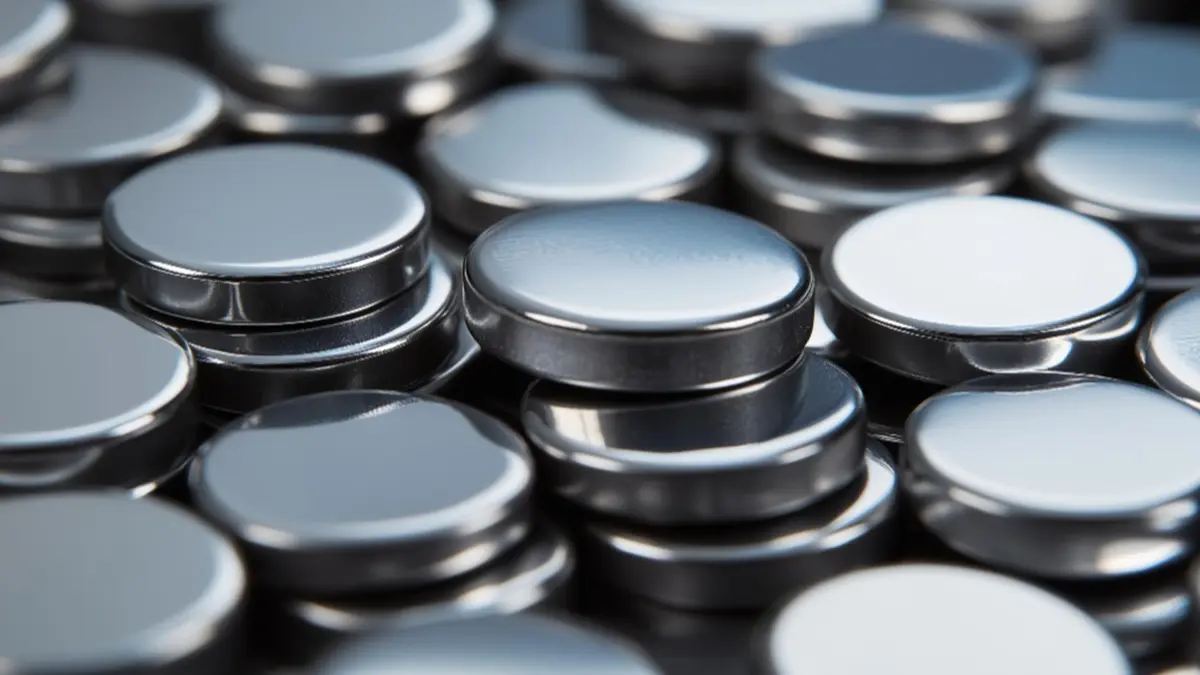
Permanent magnets made from rare‑earth elements such as neodymium and samarium cobalt exhibit exceptional magnetic strength and are essential for motors in electric vehicles, wind turbines, mobile phones, aerospace equipment and defence systems. At present India imports nearly all its high‑performance magnets from overseas suppliers. The government’s new scheme seeks to build an end‑to‑end manufacturing ecosystem within the country.
Key features
- Production capacity: The scheme targets the creation of 6,000 tonnes per year of integrated rare‑earth permanent magnet (REPM) manufacturing capacity. Up to five companies will be selected through a global bidding process, each eligible to set up a 1,200 tonne per year facility.
- Financial incentives: A total outlay of Rs 7,280 crore includes Rs 6,450 crore of sales‑linked incentives payable over five years and Rs 750 crore of capital subsidies to offset high equipment costs.
- Duration: The programme will run for seven years: two years for establishing plants and five years for disbursing incentives based on actual sales of magnets.
- Integrated value chain: Beneficiaries must convert locally available rare‑earth oxides into metals, alloys and then sintered magnets, creating a complete domestic supply chain.
Significance
- Reducing import dependence: India possesses significant rare‑earth reserves but lacks magnet making capacity. Establishing domestic production will lessen reliance on Chinese and Japanese suppliers.
- Boosting strategic sectors: High‑performance magnets are critical for electric vehicles, renewable energy, defence equipment and electronics. Local supply will support self‑reliance and innovation in these fields.
- Environmental safeguards: The scheme encourages adoption of clean technologies and partnerships with countries such as Japan and Australia to manage environmental impacts of processing rare‑earth ores.
Source: PIB