

Why in news?
Researchers who analysed health data from more than half a million people recently found that individuals with schizophrenia are more prone to weak bones and fractures compared with the general population. Ahead of the annual conference of the Indian Psychiatric Society, experts also highlighted a significant mental health treatment gap in India, noting that up to 85 percent of people with mental disorders do not receive timely care.
Background
Schizophrenia is a chronic mental health condition that affects approximately 23 million people worldwide. It typically begins in late adolescence or early adulthood and is marked by episodes of psychosis – losing touch with reality. The exact cause is unknown, but researchers believe a combination of genetic vulnerability and environmental factors, such as prenatal stress or cannabis use, contributes to its development. There is currently no cure, although treatments can help manage symptoms.
Signs and symptoms
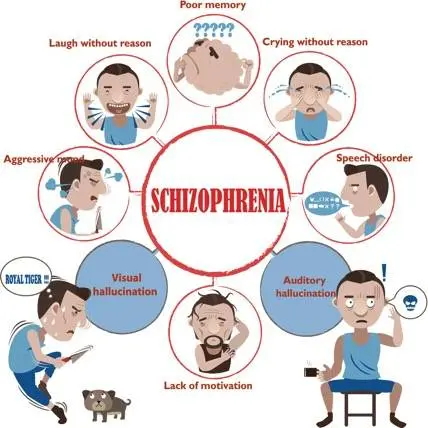
- Positive symptoms: Persistent delusions (false beliefs), hallucinations (hearing voices or seeing things that are not there) and disorganised thinking or speech.
- Negative symptoms: Reduced expression of emotion, lack of motivation, social withdrawal and diminished ability to perform everyday tasks.
- Cognitive deficits: Difficulties with attention, memory and executive function that make it hard to plan and organise.
- Suicide risk: People with schizophrenia are at increased risk of depression, self‑harm and suicide, and often require continuous support.
Challenges in India
- Treatment gap: According to mental health professionals, 80–85 percent of individuals with mental disorders in India do not receive appropriate care due to stigma, lack of awareness and shortage of mental health professionals, especially in rural areas.
- Stigma and discrimination: Misconceptions about mental illness lead to social exclusion of people with schizophrenia, often preventing them from seeking help.
- Continuity of care: Schizophrenia requires lifelong treatment, including antipsychotic medications, counselling and rehabilitation services. Gaps in follow‑up cause relapses and poorer outcomes.
Management and support
- Medical treatment: Antipsychotic drugs reduce hallucinations and delusions. Therapy to manage side effects and adherence is essential.
- Psychoeducation: Teaching patients and families about the illness helps them recognise early warning signs and cope with relapses.
- Community services: Community‑based rehabilitation centres, support groups and vocational training programmes improve social functioning and independence.
- Policy initiatives: Integrating mental health into primary healthcare, increasing budgets and training mental health professionals are crucial steps to bridge the treatment gap.
Significance
- Public health: Early diagnosis and continuous treatment can enable individuals with schizophrenia to lead fulfilling lives and reduce the economic burden on families.
- Awareness campaigns: Reducing stigma and encouraging help‑seeking behaviour are essential for improving mental health outcomes.
- Holistic care: Addressing physical health issues such as bone density, metabolic syndrome and substance use is integral to comprehensive care for people with schizophrenia.
Source: TH