Why in news?
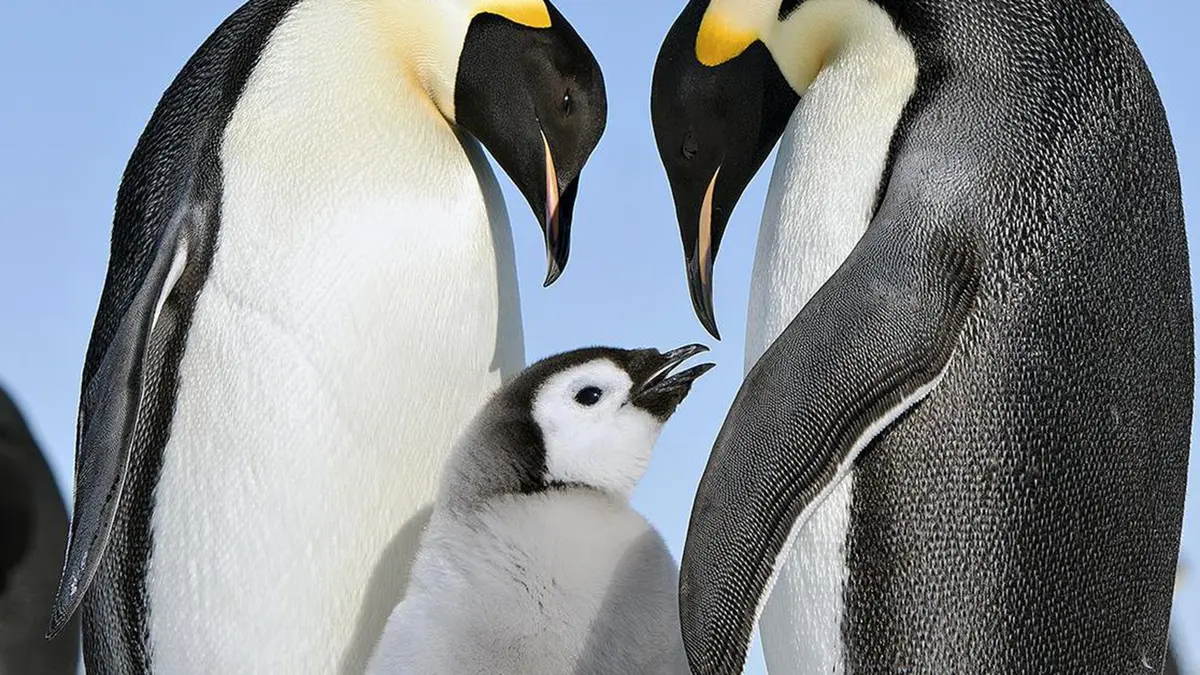
The International Union for Conservation of Nature (IUCN) recently classified the emperor penguin as an Endangered species. Melting sea ice in Antarctica has led to the collapse of several breeding colonies, making this flightless bird a symbol of how climate change threatens entire ecosystems. Scientists call such animals sentinel species because their decline warns us about deteriorating environmental health.
Background
A sentinel species is an animal or plant that reacts sensitively to changes in the environment. By watching these species, researchers can detect pollution, climate stress or other hazards before they harm people or wider ecosystems. Historically, miners took canaries underground because the birds would succumb to toxic gases sooner than humans, signaling danger. In modern times, amphibians, bees and marine mammals often serve as sentinels.
Characteristics of sentinel species
- Early warning ability: Sentinel species respond quickly to pollutants or climate disturbances. Their behavioural or physiological changes alert scientists to looming problems.
- Limited range: Most sentinels live in a confined area, making it easier to link their condition directly to local environmental factors.
- Easy to monitor: Researchers can observe or sample these species without causing harm, and changes in population or health are easy to detect.
- Abundant populations: Healthy sentinel species have enough individuals to allow sampling without threatening the population.
Emperor penguins as a case study
- Dependence on sea ice: Emperor penguins breed and raise their chicks on stable Antarctic sea ice. When the ice melts too early, chicks drown or freeze because they cannot yet swim.
- Population decline: Satellite studies indicate that several colonies have lost all chicks in recent years due to unseasonal ice breakup. Experts estimate that without emission cuts, more than half the population could disappear by mid‑century.
- Indicator of wider change: Their decline signals broader disruption in the Southern Ocean. Melting ice affects krill – the penguins’ main food – and can disrupt global climate patterns.
Why sentinel species matter
- Health surveillance: Observing sentinel species helps scientists detect toxic chemicals, radiation or pathogens before they affect humans.
- Policy guidance: Evidence from sentinel species supports environmental regulations, such as controlling emissions or restricting harmful chemicals.
- Conservation priority: Protecting species like emperor penguins conserves entire food webs and draws attention to climate action.
Conclusion
Sentinel species are nature’s early warning system. The plight of emperor penguins underlines how climate change is already reshaping the planet’s coldest regions. Safeguarding their icy habitats and cutting global emissions are essential not only for the birds but also for the delicate balance of our shared environment.
Source: The Hindu