
Why in news?
Researchers studying riverine life in Central Africa recently documented a remarkable behaviour: thousands of small shellear fish were seen climbing a 15‑metre‑high waterfall in the Democratic Republic of Congo. The discovery, published in April 2026, underscores the surprising adaptability of freshwater species and has sparked interest among biologists and conservationists.
Background
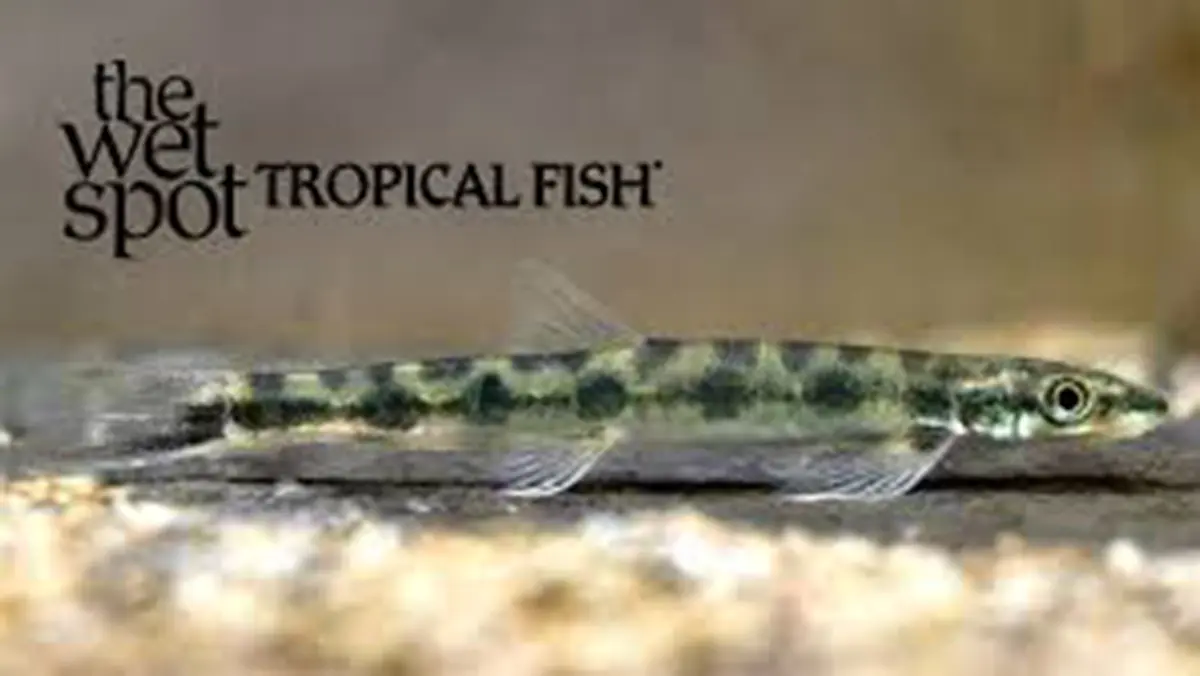
The shellear fish (Parakneria thysi) is a small benthopelagic freshwater fish endemic to the upper Congo Basin. Typically measuring between 3.7 and 4.8 centimetres in length, these fish inhabit fast‑flowing streams and rivers, including the Luvilombo River in the Democratic Republic of Congo. Until recently, little was known about their behaviour beyond basic taxonomy and habitat preferences.
How do they climb?
- Specialised fins and unculi: Shellear fish possess tiny hook‑like projections (unculi) on their pectoral and pelvic fins. These structures act like suction pads, helping the fish grip wet rock surfaces in the splash zone of waterfalls.
- Slow ascent: Researchers observed that the fish climb in short bursts, resting frequently. It can take nearly ten hours for an individual to scale the 15‑metre drop, making the feat comparable to a human climbing hundreds of metres vertically.
- Size matters: Only small to medium‑sized individuals were seen climbing; larger fish appeared too heavy for their fins to support such a climb.
Why do they do it?
- Seeking better habitat: Scientists believe the fish climb upstream to reach calmer sections of the river with fewer competitors and predators.
- Avoiding seasonal pressures: The ascent coincides with seasonal floods at the end of the rainy season. Moving upstream may help the fish find suitable conditions for feeding and breeding.
Threats and conservation
- Illegal fishing: The species is threatened by the use of fine‑mesh mosquito nets for fishing, which can indiscriminately capture small fish like Parakneria thysi.
- Water extraction: Water diverted for irrigation has, in some years, depleted the flow of the Luvilombo River, potentially making it harder for fish to complete their climb.
- Need for research: Very little is known about fish behaviour in the Congo Basin. The discovery highlights the importance of studying and protecting freshwater ecosystems, as other species may harbour equally fascinating adaptations.
Conclusion
The shellear fish’s vertical journey up waterfalls illustrates the extraordinary ways in which life adapts to extreme environments. Preserving the continuity of rivers and curbing harmful fishing practices will be essential to ensure that these tiny climbers continue to thrive in their natural habitat.
Source: Reuters

