Why in news?
In late March 2026 health officials in Kerala reported an outbreak of shigellosis in the Kuttikkattoor area of Kozhikode district. A three‑year‑old girl died and more than 60 residents, mostly children, fell ill. The authorities closed an anganwadi centre, conducted door‑to‑door awareness drives and chlorinated water sources to prevent further spread.
Background
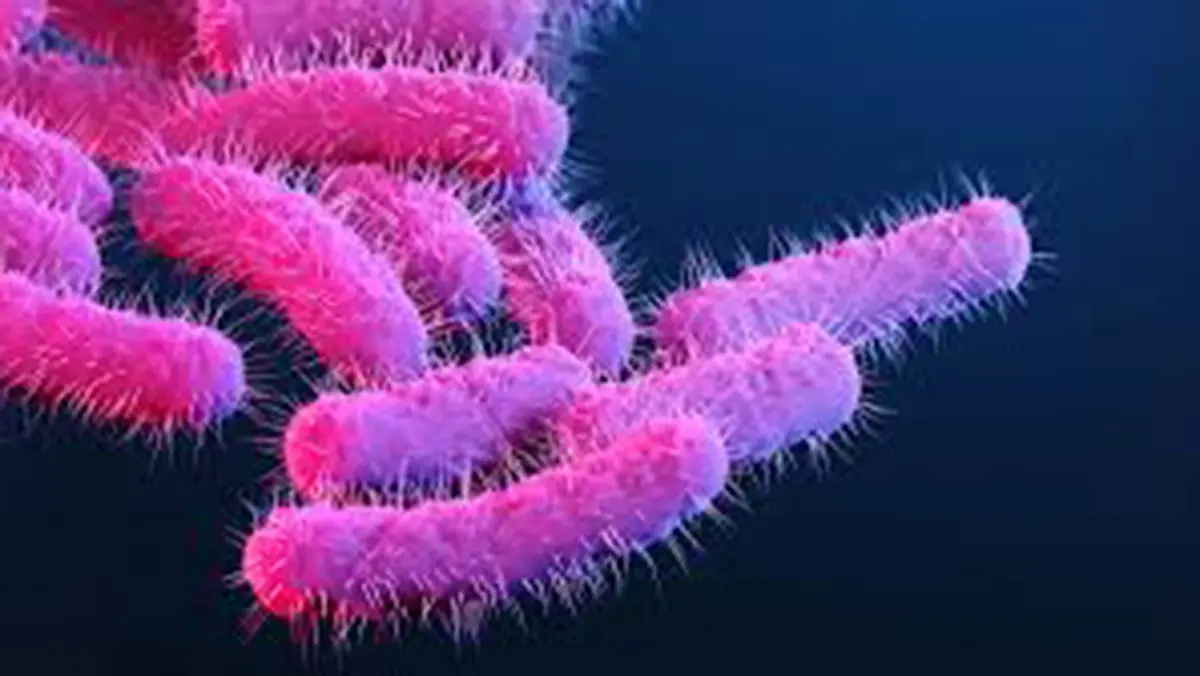
Shigellosis is a diarrhoeal disease caused by Shigella bacteria. People contract it by ingesting tiny amounts of faecal matter through contaminated food, water or hands. Children under five, travellers to regions with poor sanitation, men who have sex with men and people experiencing homelessness are at higher risk. There is no vaccine against shigellosis.
Symptoms and course of the illness
- Sudden onset of diarrhoea that may contain blood or mucus.
- Stomach cramps, fever, nausea and vomiting.
- Symptoms usually appear one to three days after exposure and last around five to seven days.
- Severe cases can lead to dehydration, seizures (in children) or bloodstream infections.
Response to the Kerala outbreak
Health workers in Kozhikode visited households to check for symptoms and educate residents on hygiene. Water storage tanks were chlorinated, and people were advised to drink boiled or treated water. Sick children were treated at local hospitals and monitored for complications. The panchayat convened an emergency meeting to coordinate efforts and intensify sanitation programmes.
Prevention and treatment
- Hygiene: Wash hands thoroughly with soap after using the toilet and before eating or preparing food. Properly dispose of diapers and faeces.
- Safe water: Drink boiled, filtered or bottled water. Avoid ice cubes or raw vegetables washed with potentially contaminated water.
- Food safety: Cook food thoroughly and keep it covered. Do not eat from unhygienic street vendors.
- Treatment: Most infections resolve without antibiotics; staying hydrated and resting is key. Antibiotics may be prescribed for severe cases or vulnerable patients. Anti‑diarrhoeal drugs like loperamide should be avoided because they can make the illness worse.
Shigellosis underscores the importance of clean water and sanitation. Outbreaks can be prevented by improving public hygiene infrastructure and raising awareness about safe practices.