

Why in news?
A large international study has found that older adults who receive a shingles vaccine have a lower risk of dying from dementia. Researchers analysing health records across multiple countries reported that vaccinated individuals were about 30 percent less likely to succumb to dementia than those who were not vaccinated. The findings have renewed interest in vaccinating seniors not only to prevent painful shingles but also to potentially protect brain health.
Background
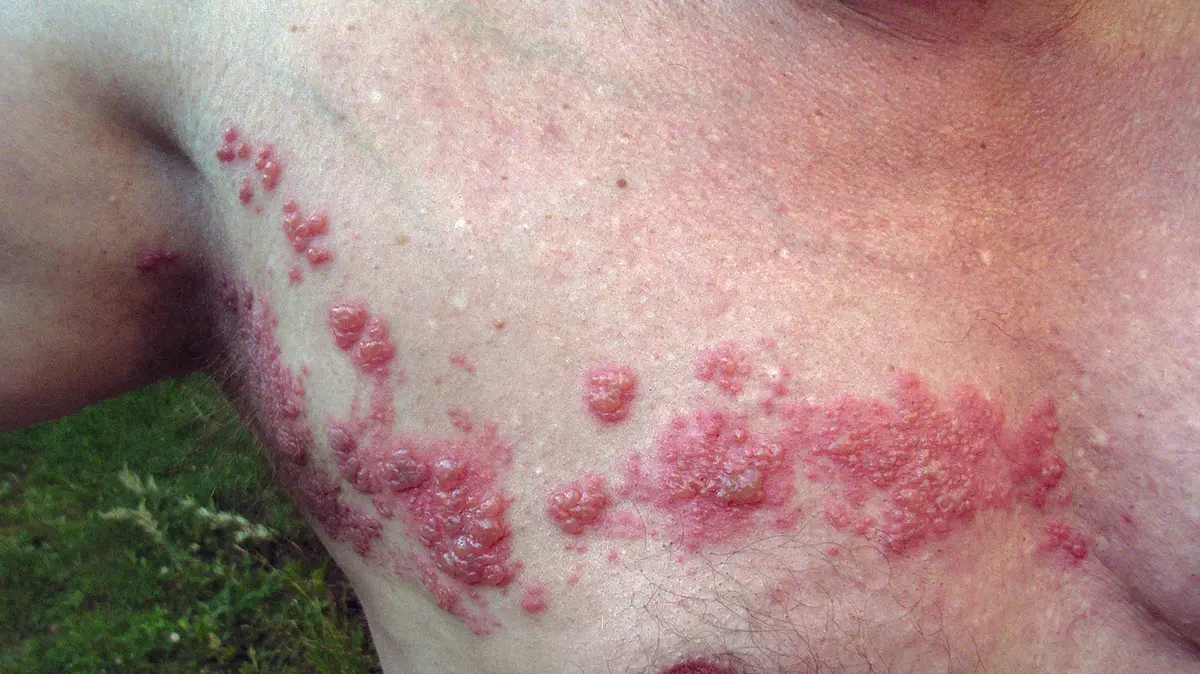
Shingles, or herpes zoster, occurs when the varicella‑zoster virus – the same virus that causes chickenpox – reactivates later in life. It produces a blistering rash, burning pain and, in some cases, lasting nerve damage. People over 50 and those with weakened immune systems are most at risk. Vaccines such as the older Zostavax (a live‑attenuated vaccine) and the newer recombinant vaccine Shingrix stimulate the immune system to prevent reactivation. Dementia is a general term for conditions characterised by progressive memory loss and cognitive decline, including Alzheimer’s disease.
Study highlights
- Large data set: Researchers examined health records of more than a million adults aged 70 and above across several high‑income countries. They compared outcomes in those who had received the shingles vaccine with those who had not.
- Reduced mortality: After adjusting for age, sex and other health factors, the team found that vaccinated individuals were roughly 30 percent less likely to die from dementia over the follow‑up period.
- Unknown mechanism: The reason for the association is not yet understood. It is possible that preventing shingles – an inflammation of the nervous system – might reduce stress on the brain, or the vaccine could trigger a general immune response that benefits cognitive health.
- Consistency across groups: The result remained consistent when researchers analysed data by country and by sex, suggesting that the link is robust. However, they cautioned that the study is observational and cannot prove that the vaccine directly prevents dementia.
Other research on chronic diseases
The same report noted advances in monitoring blood sugar for people with type 2 diabetes. A separate trial found that people using continuous glucose monitors – small devices worn on the skin that measure blood sugar levels throughout the day – showed better control of their blood glucose than those relying on traditional finger‑prick tests. These devices helped participants spend more time within their target range and reduced episodes of very high or very low glucose.
Takeaway
- Vaccination against shingles not only protects against a painful rash but may have broader benefits for ageing populations.
- Further research is needed to understand how viral infections and inflammation influence dementia and whether vaccines could play a preventive role.
- In diabetes care, continuous glucose monitoring offers a promising tool for better managing blood sugar and preventing complications.
Source: DD News