
Why in news?
At the COP15 summit of the Convention on the Conservation of Migratory Species of Wild Animals (CMS) held in Campo Verde, Brazil, in March 2026, parties agreed to list 40 new species for international protection, including the snowy owl (Bubo scandiacus). This designation obliges CMS member countries to conserve the species and its habitat.
Background
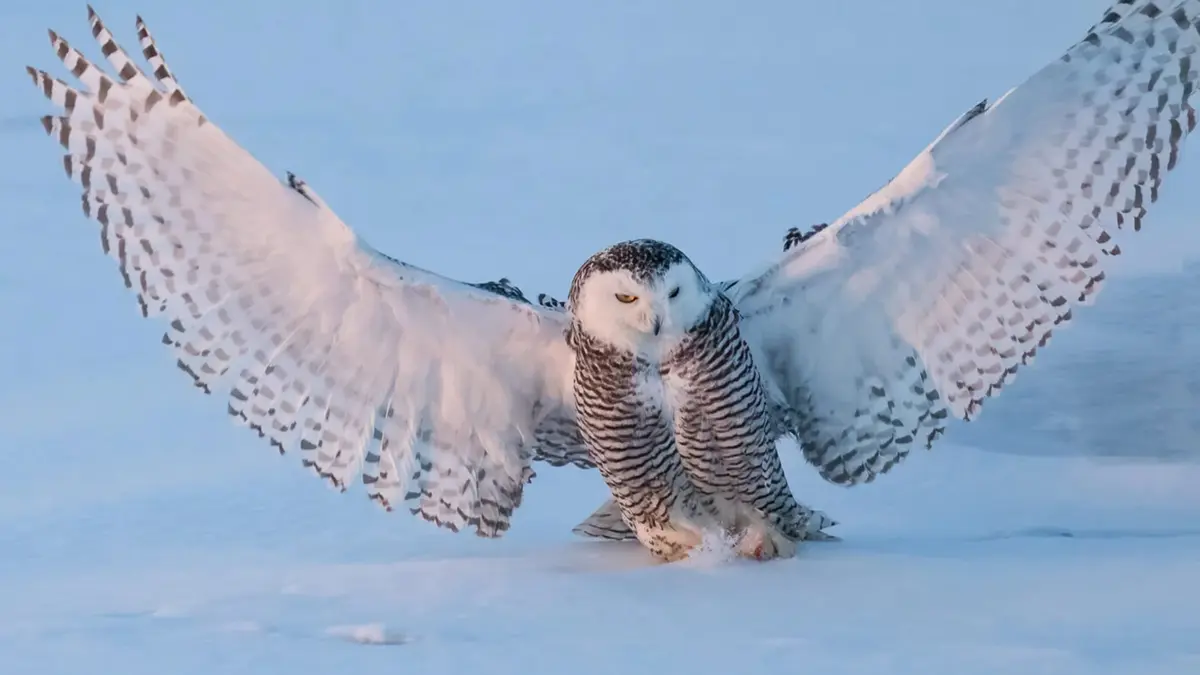
The snowy owl is a large, predominantly white owl native to the Arctic tundra of North America and Eurasia. Unlike most owls, it is active during the day, an adaptation to the continuous daylight of Arctic summers. The birds are nomadic, breeding where prey – chiefly lemmings and other small mammals – is abundant.
Physical characteristics
- Size: Snowy owls have a wingspan of 4–5 feet and weigh around 1.6 kg (about 4 pounds), making them one of the heaviest owl species.
- Plumage: Males become nearly all white as they age, while females retain dark bars across their feathers. Feathered legs and feet, dense plumage and a thick layer of down keep them warm in sub‑zero temperatures.
- Brilliant vision and hearing: The owls have bristles on their beaks to detect objects, and their keen eyesight and hearing help them locate prey in snowy landscapes.
Behaviour and ecology
- Diurnal hunters: Snowy owls hunt during the day and night, using a “sit‑and‑wait” strategy to spot and swoop on prey. They can swallow small animals whole, regurgitating indigestible bones and fur later.
- Nomadic breeding: They do not nest at the same site every year; breeding depends on the abundance of lemmings. In years with plentiful prey, pairs can raise large broods, sometimes with more than 10 chicks.
- Territoriality: Snowy owls defend large territories and may chase away other raptors, including eagles and hawks.
Threats and conservation status
- Climate change: Warming Arctic temperatures reduce lemming populations and shrink suitable breeding habitat. Melting ice also affects migration routes.
- Human disturbance: Collisions with vehicles and aircraft, entanglement in fishing gear and exposure to pollutants pose significant risks.
- International protection: The 2026 CMS decision requires member countries to protect snowy owls, conserve and restore their habitats, prevent barriers to migration and coordinate research.
- IUCN status: The species is currently listed as Vulnerable on the IUCN Red List.
Conclusion
The snowy owl is both a charismatic Arctic predator and a sensitive indicator of climate change. International listing under the CMS underscores the need for coordinated conservation. Protecting tundra ecosystems, mitigating climate change and managing human disturbances are essential to safeguard this iconic species.

