
Why in news?
A new ethnobotanical study published in March 2026 recorded 39 medicinal plants used by the Sonowal Kachari community of Assam to treat ailments ranging from fever and cough to kidney stones and skin diseases. The research highlighted the tribe’s deep knowledge of local flora and the need to document and preserve such traditions.
Background on the Sonowal Kacharis
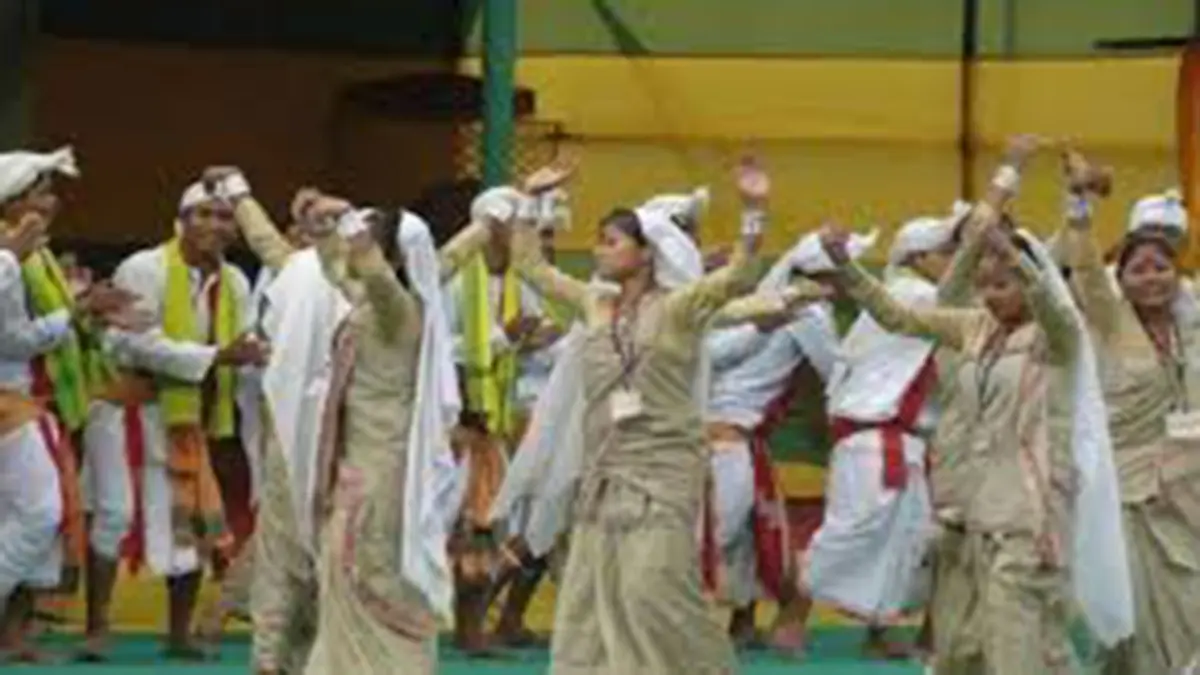
The Sonowal Kacharis are an indigenous group belonging to the greater Bodo‑Kachari family. Most live in the plains of Assam, particularly in Lakhimpur, Dhemaji and Tinsukia districts, with smaller populations in Arunachal Pradesh and Meghalaya. They are recognised as a Scheduled Tribe (Plains) in Assam. Historically, the community earned its name from the Assamese word for gold (son) because they panned for gold dust in the rivers during the Ahom era. Today they are primarily settled farmers, cultivating rice, betel nut, sugarcane and vegetables.
The tribe speaks Assamese and often uses a dialect influenced by the Tibeto‑Burman linguistic family. Their religious practices blend Hinduism with animist traditions; many households maintain ancestral shrines and worship village deities. Knowledge about medicinal plants has been transmitted orally through generations, reflecting a close relationship with forests and wetlands.
Findings of the ethnobotanical study
- Scope of the study: Researchers interviewed about 180 community elders in Lakhimpur district between April 2022 and November 2023. They documented plants used to treat fever, dysentery, cough, skin disorders, stomach ailments, arthritis and kidney stones.
- Commonly used plants: The survey identified species such as Acorus calamus (for cough and fever), Aegle marmelos or bael (for dysentery), Aloe vera (for burns and skin diseases), Azadirachta indica or neem (for infections) and Bryophyllum pinnatum (for kidney stones). Others included Bacopa monnieri (brahmi), Andrographis paniculata (kalmegh) and Cinnamomum tamala.
- Plant parts and forms: Leaves were the most frequently used parts, followed by roots, fruits and flowers. Most remedies relied on herbs, although some involved trees, climbers and shrubs.
- Conservation concerns: The study warned that traditional knowledge is fading due to deforestation, social change and declining interest among younger generations. Researchers emphasised the importance of documenting indigenous practices and validating them through modern scientific methods.
Significance
Documenting the Sonowal Kacharis’ medicinal practices contributes to both cultural preservation and potential drug discovery. Many modern medicines originate from plants used in folk healing. Preserving this knowledge could inform sustainable health care and biodiversity conservation in northeast India.
Sources: Times of India · India Times

