

Why in news?
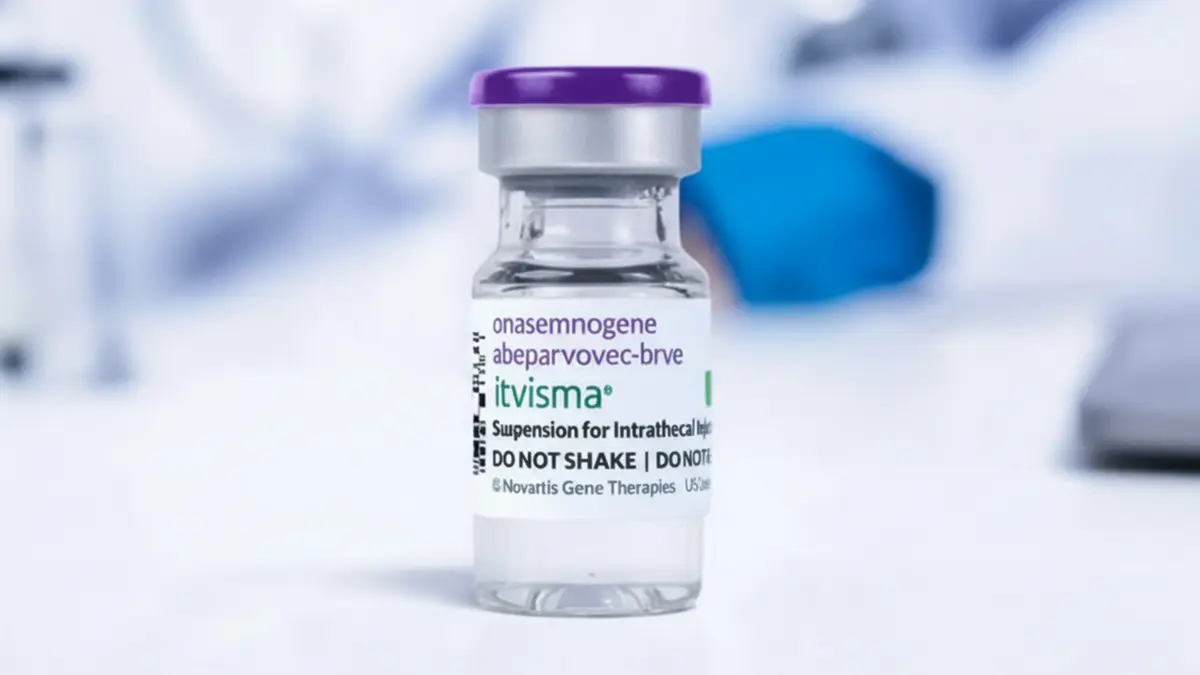
On 28 December 2025, doctors at Sheikh Khalifa Medical City in Abu Dhabi administered Itvisma — the brand name for onasemnogene abeparvovec — to a young patient, making the United Arab Emirates the first country outside the United States to deliver this one‑time gene replacement therapy for Spinal Muscular Atrophy (SMA). Health officials hailed the milestone as a testament to Abu Dhabi’s commitment to advanced healthcare.
Background
SMA is a group of inherited disorders in which mutations in the SMN1 gene lead to insufficient production of survival motor neuron (SMN) protein. Without this protein, motor neurons in the spinal cord degenerate, causing progressive muscle weakness and loss of movement. The condition affects approximately one in 6,000–11,000 births and is the second most common genetic cause of death in infancy after cystic fibrosis. SMA does not affect intelligence.
Types and symptoms
- Type 0: The rarest and most severe form manifests before birth. Babies show minimal movement and often do not survive infancy.
- Type 1 (Werdnig–Hoffmann disease): Onset occurs within the first six months. Infants have weak muscles, difficulty sucking and breathing, and rarely sit without support.
- Type 2: Appears between 6 and 18 months. Children may sit but usually cannot stand or walk unaided.
- Type 3 (Kugelberg–Welander disease): Begins after 18 months or in childhood; individuals can walk but may lose mobility over time.
- Type 4: The mild adult‑onset form causes gradual muscle weakness beginning in adolescence or adulthood.
Management and new therapies
- Supportive care: Physiotherapy, occupational therapy, respiratory support, nutritional management and mobility aids help maintain quality of life.
- Drugs: Medications such as nusinersen (Spinraza) and risdiplam (Evrysdi) increase production of SMN protein from the SMN2 backup gene. These treatments require repeated dosing.
- Gene therapy: Itvisma (onasemnogene abeparvovec) delivers a functional copy of the SMN1 gene via a viral vector in a single infusion. By replacing the defective gene, it aims to halt disease progression and improve motor function. It is approved for patients aged two years and older with confirmed SMN1 mutations.
Conclusion
The successful administration of Itvisma marks a significant advance in the treatment of SMA. While not a cure, gene therapy offers the promise of long‑term benefit from a single dose. Early diagnosis through newborn screening and access to treatments remain crucial for improving outcomes.
Source: Khaleej Times