
Why in news?
A study by the University of Sheffield, published in March 2026, revealed that spotted hyenas in the Ethiopian city of Mekelle consume tonnes of meat waste each year. By cleaning up leftovers from abattoirs and households, the hyenas prevent more than 1,000 metric tonnes of carbon emissions and save the city over US$100,000 in waste management costs. The findings highlight the ecological services provided by these often‑maligned scavengers.
Background
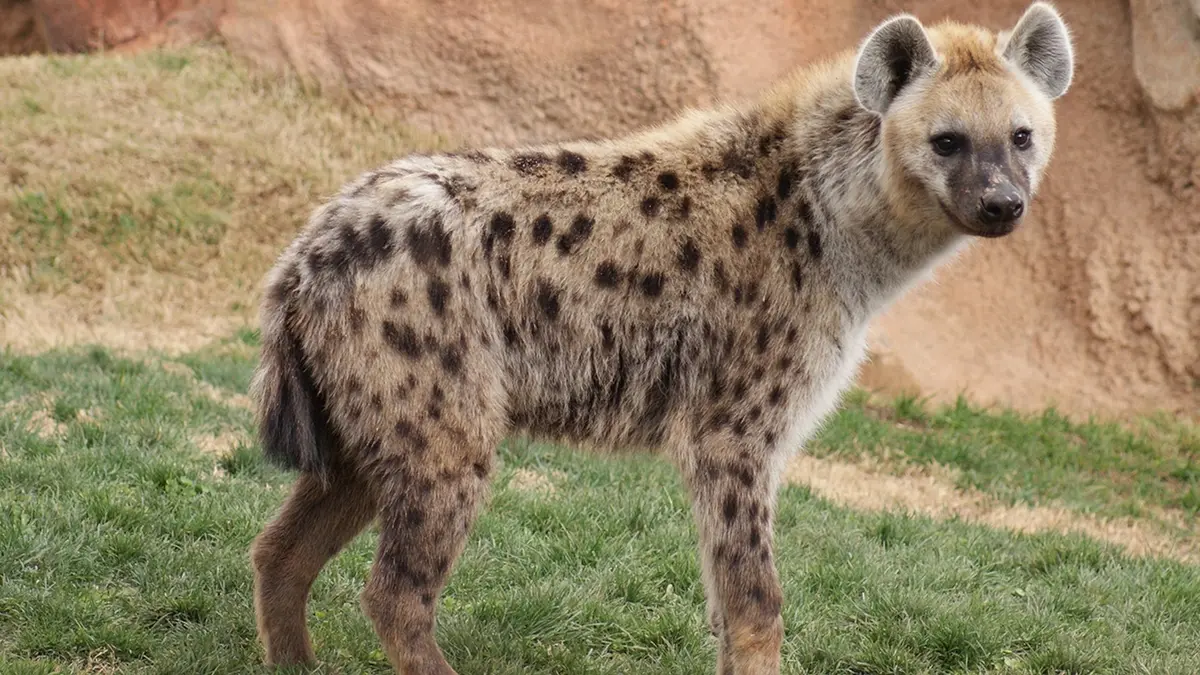
The spotted hyena (Crocuta crocuta) is the largest member of the hyena family. Once widespread across Africa and Eurasia, the species is now mostly found in sub‑Saharan Africa. Hyenas inhabit semi‑deserts, savannas and wooded grasslands; they are scarce in dense forests and coastal areas. They play a crucial role as scavengers, breaking down carcasses and recycling nutrients.
Unique biology and behaviour
- Matriarchal clans: Spotted hyenas live in large clans led by dominant females. Females are larger and more aggressive than males. Females have an elongated clitoris resembling a male organ, a feature unique among mammals.
- Versatile diet: Though famous as scavengers, hyenas are also skilled hunters. They can digest skin and bones, which helps clean up carcasses that other predators leave behind.
- Communication: The “laughing” calls of hyenas are part of a complex vocal repertoire used to coordinate group activities and signal social status.
Urban coexistence
- Sanitation services: In Mekelle, hyenas feed on organic waste from slaughterhouses and households. Researchers estimate that these activities offset more than a thousand tonnes of carbon dioxide equivalents by preventing waste from decomposing in open dumps.
- Financial savings: By reducing the volume of waste that municipal authorities must transport and process, hyenas save the city significant funds each year.
- Coexistence strategies: The study highlights how communities can benefit by tolerating scavengers rather than persecuting them. However, managing risks such as disease transmission and human–wildlife conflict remains essential.
Conservation status
Despite occasional conflicts, the spotted hyena is listed as Least Concern by the IUCN due to its widespread range and large population. Habitat loss and poisoning remain threats in some regions. Recognising the species’ ecological role can help improve its conservation outlook.
Source: DTE

