
Why in news?
In December 2025 two municipalities in Peru’s Amazon—Satipo and Nauta—granted legal rights to stingless bees. This pioneering decision recognises the insects’ right to exist, thrive and regenerate their populations, marking the first time an insect species has been accorded legal personhood.
Background
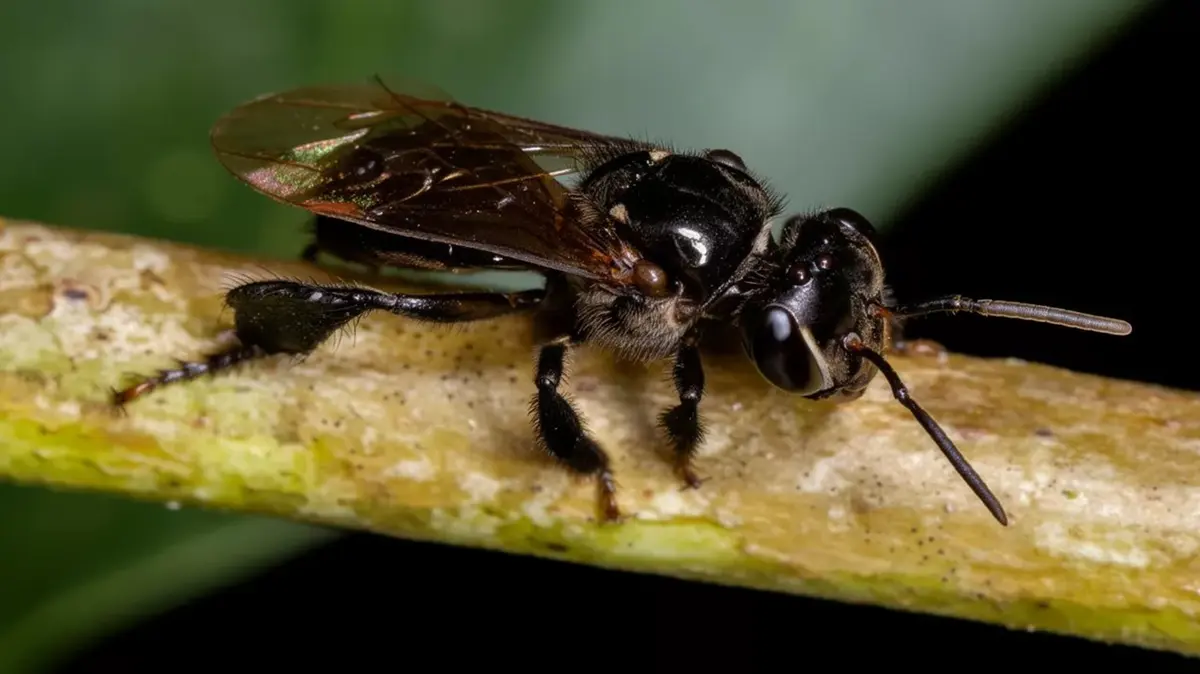
Stingless bees (tribe Meliponini) are a diverse group of about 500 species native to tropical and subtropical regions. They have been pollinating flowering plants for more than 80 million years and play a critical role in Amazonian ecosystems:
- Ancestral pollinators: Stingless bees pollinate a wide variety of crops and wild plants, supporting forest regeneration and food production.
- Cultural importance: Indigenous communities practise meliponiculture—cultivating stingless bees for honey, wax and medicine—and view the bees as relatives and teachers.
- Unique honey: Their honey is prized for its medicinal properties and contains a distinctive mix of acids and antioxidants.
Legal rights and protections
- Right to exist and flourish: The resolutions declare that stingless bees have the right to maintain their populations and fulfil their ecological functions.
- Habitat protection: Authorities must safeguard the bees’ habitats, ensure stable climatic conditions and prevent activities that threaten them, such as deforestation, pesticide use and agricultural expansion.
- Regeneration and representation: The bees have the right to naturally regenerate and to be legally represented. Environmental defenders can act on their behalf in court.
Implications
- Ecological awareness: Recognising bees as rights‑bearing entities highlights the importance of invertebrates in ecosystems and may inspire similar initiatives elsewhere.
- Indigenous leadership: The move reflects Indigenous peoples’ stewardship of nature and elevates traditional knowledge in policy‑making.
- Challenges: Enforcement could be difficult because municipal powers are limited; national laws and economic pressures may still threaten habitats.
Source: The Indian Express

