

Why in news?
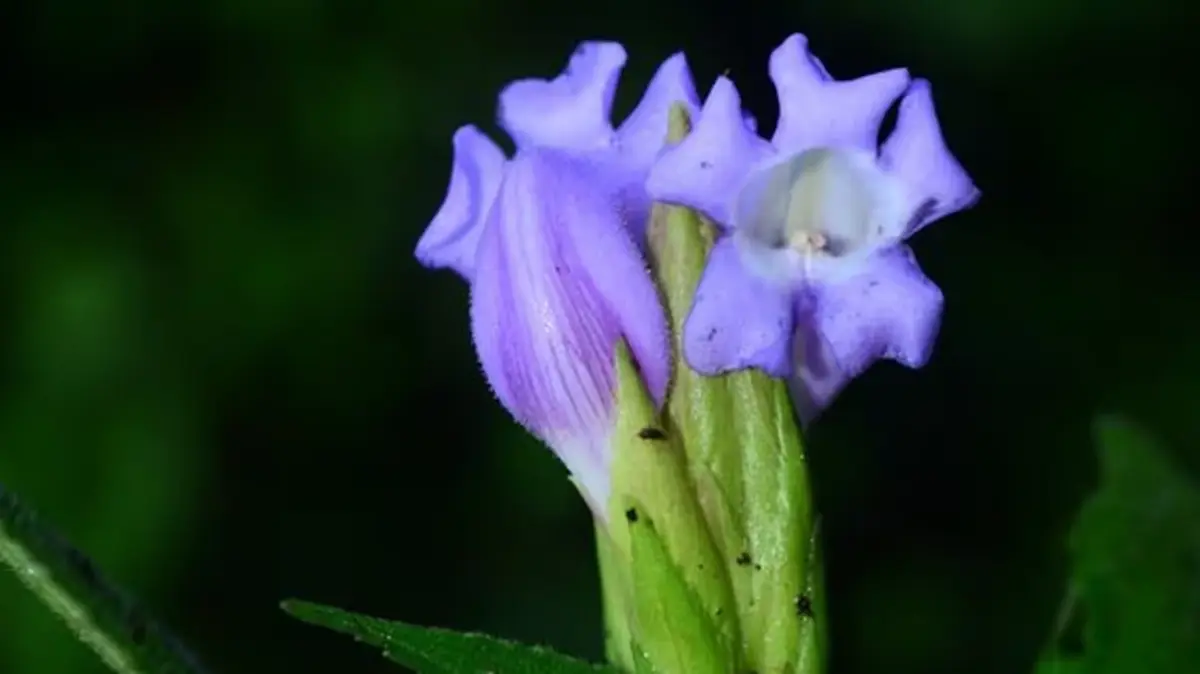
Botanists from the Botanical Survey of India and the Agharkar Research Institute have formally described a new flowering plant, Strobilanthes riteshii, from Arunachal Pradesh. The discovery was announced in January 2026, adding to India’s rich botanical diversity.
Background
The genus Strobilanthes belongs to the Acanthaceae family and includes species known for their spectacular mass‑flowering events, as seen with the kurinji flower in the Western Ghats. The new species was found during floristic surveys near Chayangtajo in the East Kameng district of Arunachal Pradesh. It grows along open hill slopes and roadside banks near streams at an elevation of about 1,600 metres.
Key features of Strobilanthes riteshii
- Distinctive characteristics: The plant bears purple‑blue flowers and has a shrubby habit with simple, opposite leaves. DNA analyses confirm that it is distinct from its close relative Strobilanthes gigantea, differing in leaf shape, floral structure and seed morphology.
- Limited distribution: Fewer than 25 mature individuals have been recorded in its type locality. The species is currently known only from this area, making it vulnerable to habitat disturbance.
- Naming honour: It has been named after Dr Ritesh Kumar Choudhary, a plant taxonomist who has made significant contributions to the study of the genus.
- Phenology: Flowering occurs from August to October, and fruiting from September to December.
Conservation concerns
- Threats: The plant’s habitat lies near roads undergoing widening and in areas affected by shifting cultivation and pollution. Such disturbances could destroy the only known population.
- IUCN assessment: Based on limited data the species has been provisionally assessed as Data Deficient on the IUCN Red List. Further surveys are required to determine its population size and trends.
- Conservation actions: Scientists have transplanted some individuals to the garden of the Botanical Survey’s regional centre for ex situ conservation. They also recommend protecting the natural habitat and raising awareness among local communities.
Significance
- Biodiversity insight: The discovery underscores the unexplored botanical wealth of the Eastern Himalayas, one of the world’s biodiversity hotspots.
- Scientific value: Studying new species helps scientists understand plant evolution and ecological relationships within the genus Strobilanthes.
- Conservation motivation: Protecting newly discovered species like S. riteshii highlights the importance of sustainable development practices in sensitive mountain ecosystems.
Source: India Today NE