
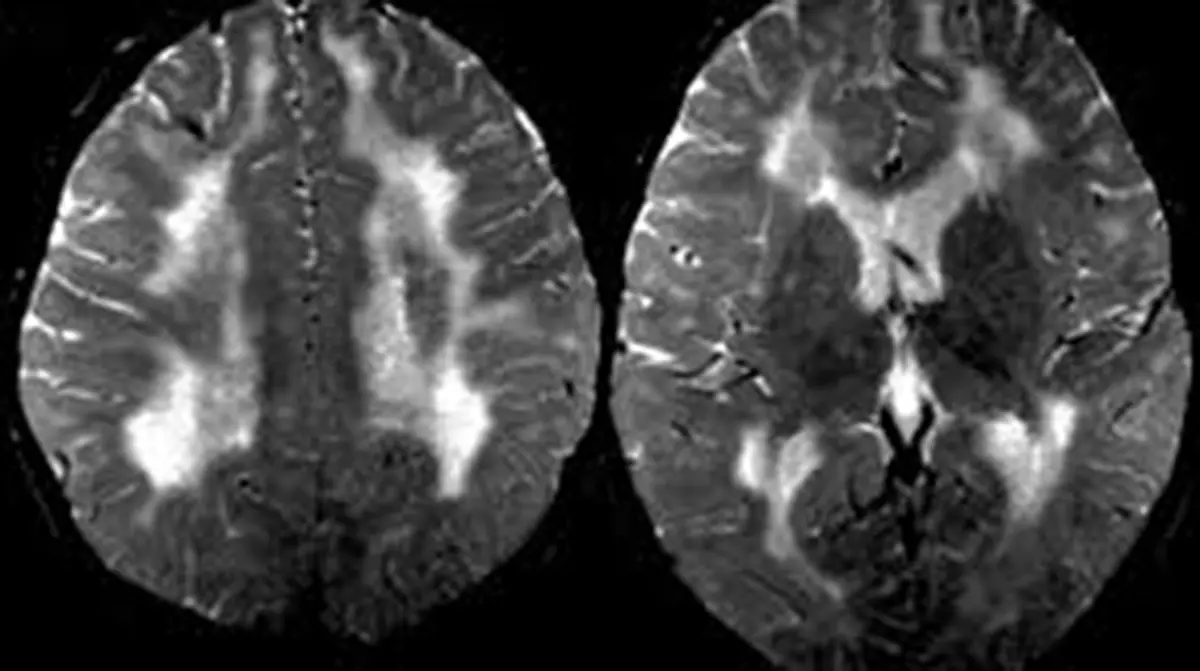
Why in news?
The Bombay High Court recently heard a petition seeking government support for children with Subacute Sclerosing Panencephalitis (SSPE), a rare brain disorder linked to measles. The state told the court that it has yet to formulate a policy, highlighting the challenges faced by families caring for affected children.
Background
SSPE is a progressive and fatal brain disease caused by persistent infection with the measles virus. It usually develops years after a person has recovered from measles – often in childhood – and results from an abnormal immune response that allows mutated viruses to remain in the brain. Although very rare, the disorder almost always leads to severe neurological decline and death.
Clinical features
- Early stage: Behavioural changes, irritability, declining school performance and mild memory problems appear 6–8 years after measles infection.
- Progressive stage: Involuntary jerking movements, muscle spasms, seizures, vision problems and deterioration of motor skills develop as the disease progresses.
- Advanced stage: Patients become bedridden, lose the ability to speak or swallow, and may fall into a vegetative state. Blindness, coma and recurrent infections are common.
- Prognosis: There is no cure; most patients succumb within one to three years of symptom onset. Treatments such as antiviral drugs and anticonvulsants provide limited relief and mainly manage symptoms.
Prevention and significance
- Measles vaccination: The only effective way to prevent SSPE is to avoid measles infection. High coverage with two doses of measles vaccine is essential to protect children.
- Public health measures: Raising awareness about timely immunisation, monitoring vaccine coverage and addressing vaccine hesitancy can reduce the risk of outbreaks.
- Support for families: Families caring for SSPE patients require financial assistance, counselling and access to medical equipment to improve quality of life.
Source: Hindustan Times

