

Why in news?
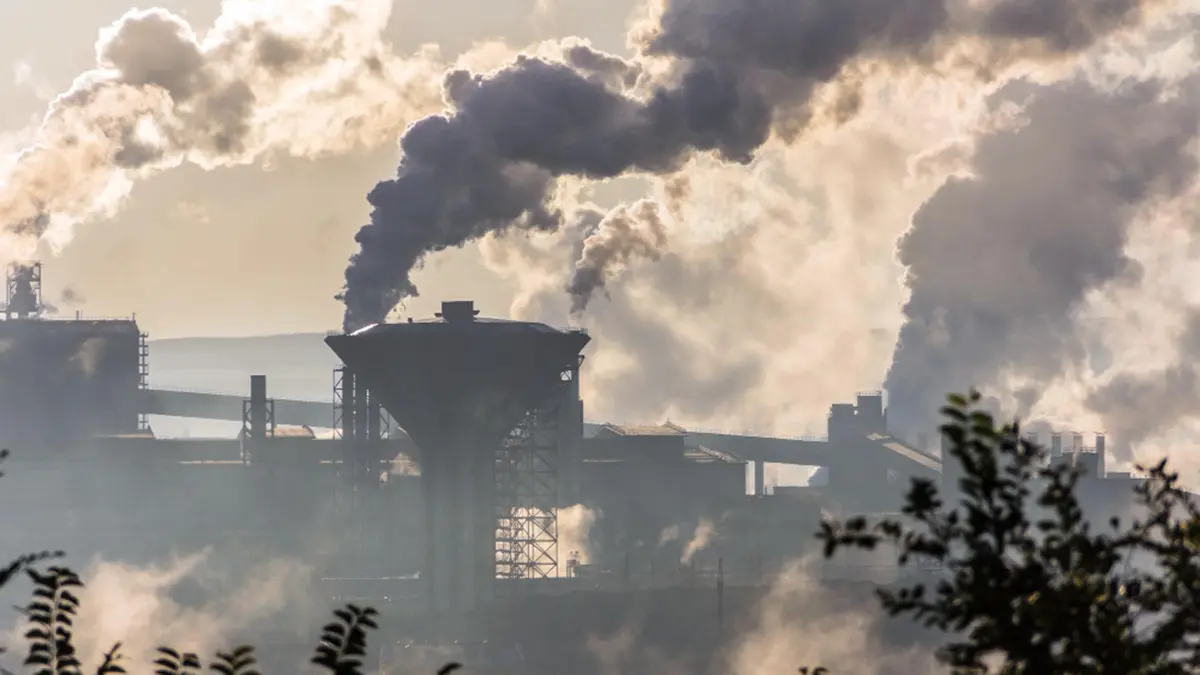
An analysis of Central Electricity Authority data between 1 and 19 November 2025 found that fifteen coal‑fired power units in the National Capital Region are operating without flue‑gas desulphurisation equipment, despite deadlines set by the environment ministry. The units fall within a 300 km radius of Delhi and include plants in Haryana and Punjab. Environmental groups warn that failure to install FGD systems exposes residents to high levels of sulphur dioxide, a pollutant that can cause respiratory illness and acid rain.
Background
Sulphur dioxide (SO2) is a colourless gas with a pungent odour produced when fossil fuels and high‑sulphur ores are burned. Power plants are the largest source in India. Once released, SO2 reacts in the atmosphere to form fine sulphate particles and acidic droplets that damage human lungs, corrode buildings and acidify soils and water bodies.
Flue‑Gas Desulphurisation (FGD) refers to technologies that remove SO2 from the exhaust gases of coal‑ and oil‑fired boilers. The most common method uses a wet slurry of lime or limestone to scrub the gas, neutralising about 90 % of the SO2 before it leaves the stack. In 2015 the Ministry of Environment directed thermal power stations near densely populated areas to install FGD units, with staged deadlines depending on distance from major cities.
Current situation and concerns
- Delay in installation: As of April 2025 only 13 of 35 units within 300 km of Delhi had installed FGD. The remaining units sought extensions of up to 36 months. Plants without FGD include the Mahatma Gandhi Thermal Power Station at Jhajjar, Panipat Thermal Power Station and some units of the Talwandi Sabo plant.
- High emissions: Studies have found that SO2 emissions from the eleven plants around Delhi are over sixteen times higher than emissions from farmers’ stubble burning, underscoring how industrial sources dominate regional air pollution.
- Public health impact: Exposure to SO2 can cause throat irritation, coughing, bronchitis and aggravate asthma. When combined with water vapour it forms sulphuric acid droplets that corrode infrastructure and harm crops.
- Policy challenges: Power utilities cite cost and supply‑chain constraints for the delays. Environmental groups argue that phasing in FGD is essential for meeting India’s National Clean Air Programme targets and protecting people’s health.
Way forward
Installing FGD units is a proven solution for cutting SO2 emissions. Accelerating procurement, providing financial incentives and enforcing strict compliance can help meet the deadlines. Regular monitoring and public reporting of emissions will also build accountability. Complementary measures such as switching to low‑sulphur coal, promoting renewable energy and raising awareness about the health risks of SO2 will contribute to cleaner air.