
Why in news?
Global sulphur supplies have tightened sharply due to disruptions in shipments from the Middle East following the ongoing conflict in the Gulf region. India, which imports more than half of its sulphur, is considering restrictions on exports to ensure domestic availability for fertiliser and chemical industries. Prices have surged, raising fears of shortages for farmers and manufacturers.
About sulphur
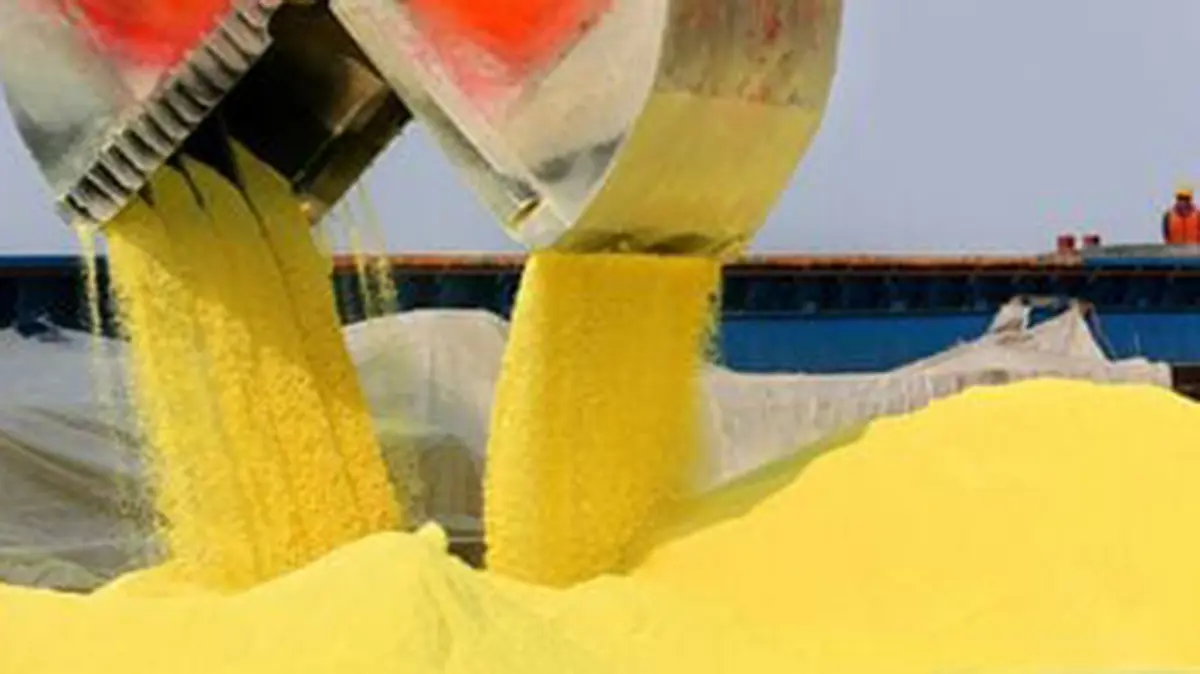
Sulphur is a yellow, non‑metallic element with the symbol S and atomic number 16. It is one of the most abundant elements on Earth. Historically mined from volcanic deposits, most sulphur today is recovered as a by‑product of refining sour crude oil and natural gas. Major producers include the Middle East, Canada, the United States and China.
Major uses
- Sulphuric acid production: The majority of sulphur is converted into sulphuric acid, the world’s most widely used chemical. Sulphuric acid is essential for manufacturing phosphate fertilisers, detergents, pharmaceuticals, paper and steel pickling.
- Fertilisers: Sulphur is an essential plant nutrient. It improves crop yields and quality when applied as ammonium sulphate or single super phosphate.
- Mining and metals: Sulphuric acid is used to extract metals like copper, nickel and uranium from ores through processes such as heap leaching.
- Other industries: Sulphur finds use in vulcanising rubber, producing rayon and nylon fibres, manufacturing paints and pigments, making cosmetics and pharmaceuticals, and treating wastewater.
Current supply concerns
- Disrupted shipments: Since late February 2026, military tensions in the Gulf have severely disrupted shipping through the Strait of Hormuz, a key route for sulphur exports from the Middle East. The region accounts for roughly one‑quarter of global sulphur supply.
- Indian dependence: India imports around 2 million tonnes of sulphur each year, primarily from Gulf countries, and exports about 800,000 tonnes—mostly to China. Reduced imports have caused domestic prices to jump.
- Possible export restrictions: Industry groups in India have urged the government to limit sulphur exports to ensure adequate supplies for fertiliser and acid manufacturers. Such restrictions could raise global prices but protect domestic agriculture.
Significance
- Food security: Fertilisers containing sulphur are crucial for crop yields. Shortages could affect agricultural production and food prices.
- Industrial impact: Tight supplies of sulphuric acid may disrupt metal extraction and numerous chemical processes, impacting industries from mining to pharmaceuticals.
- Global markets: Decisions by India and other major users to restrict exports could exacerbate shortages and volatility in the international sulphur market.
Source: Indian Express

