

Why in news?
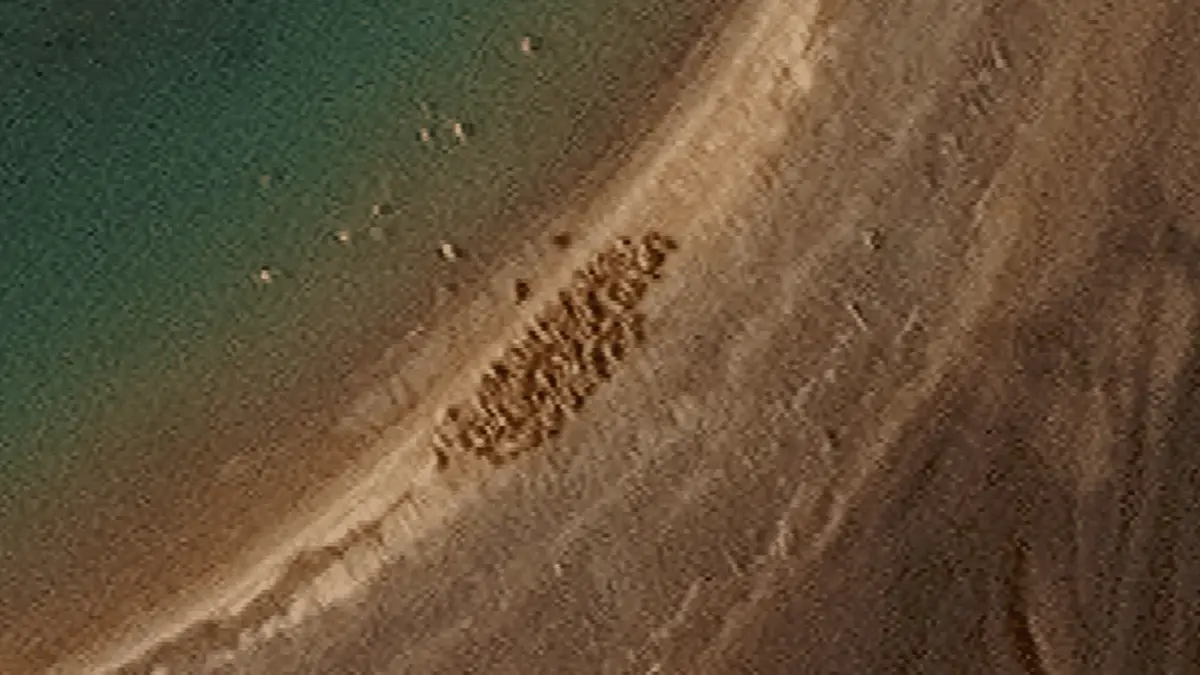
Conservation scientists, using satellite imagery under the Walrus from Space project, have identified a previously unknown walrus haul‑out site on the remote shores of the Svalbard archipelago. This discovery, announced in late November 2025, draws attention to how climate change is altering the behaviour of Arctic wildlife.
Background
Svalbard is a Norwegian group of islands in the Arctic Ocean, situated roughly halfway between mainland Norway and the North Pole. Covering about 62,700 square kilometres, it comprises major islands such as Spitsbergen, Nordaustlandet, Edgeøya and Barentsøya. The archipelago may have been known to Norse explorers in the 12th century but was rediscovered by Dutch seafarer Willem Barentsz in 1596. In 1920, the Svalbard Treaty recognised Norwegian sovereignty while allowing citizens of signatory states equal rights to engage in commercial activities. The islands are sparsely populated (around 3,000 inhabitants) with Longyearbyen as the administrative centre.
Geography and environment
- Landscape: Svalbard has rugged mountains and extensive glaciers. Glaciers and permanent snow cover almost 60 % of the area, and many of them descend into the sea, creating dramatic fjords. The highest peak, Newtontoppen, rises to 1,717 m.
- Climate: The climate is Arctic but moderated by the North Atlantic Current along the west coast. Winters are long and dark, while summers are cool with the midnight sun. Temperatures can range from 15 °C in summer to –40 °C in winter.
- Flora and fauna: Vegetation is limited to hardy lichens, mosses and dwarf willows. Wildlife includes polar bears, reindeer, Arctic foxes and seabirds. Walruses and seals use sea ice and coastal haul‑outs for resting and breeding.
- Human activity: Coal mining and research are the main industries, although tourism has grown. The Svalbard Global Seed Vault, near Longyearbyen, safeguards millions of seed samples from around the world.
The walrus haul‑out discovery
- Walrus behaviour: Walruses (scientific name Odobenus rosmarus) are large marine mammals weighing up to two tonnes. They depend on sea ice as platforms for resting and giving birth. With sea ice shrinking due to climate change, walruses increasingly congregate on land in large haul‑outs, which can lead to overcrowding and disturbances.
- Walrus from Space project: A collaboration between the World Wide Fund for Nature (WWF) and the British Antarctic Survey, the project enlists volunteers (“Walrus Detectives”) to scan satellite images for walrus groups. This citizen science initiative has been running since 2021 and helps scientists monitor walrus populations across the Arctic.
- Significance of the discovery: The newly identified haul‑out in Svalbard was previously unknown. Its documentation will allow researchers to track walrus numbers and assess how climate change is altering their distribution. Monitoring such sites is essential for conservation planning.
- Conservation message: The discovery highlights the rapid changes occurring in the Arctic. Protecting walrus habitats will require global action to slow climate change and careful management of human activities in the region.
Sources: Indian Defence Review