
Why in news?
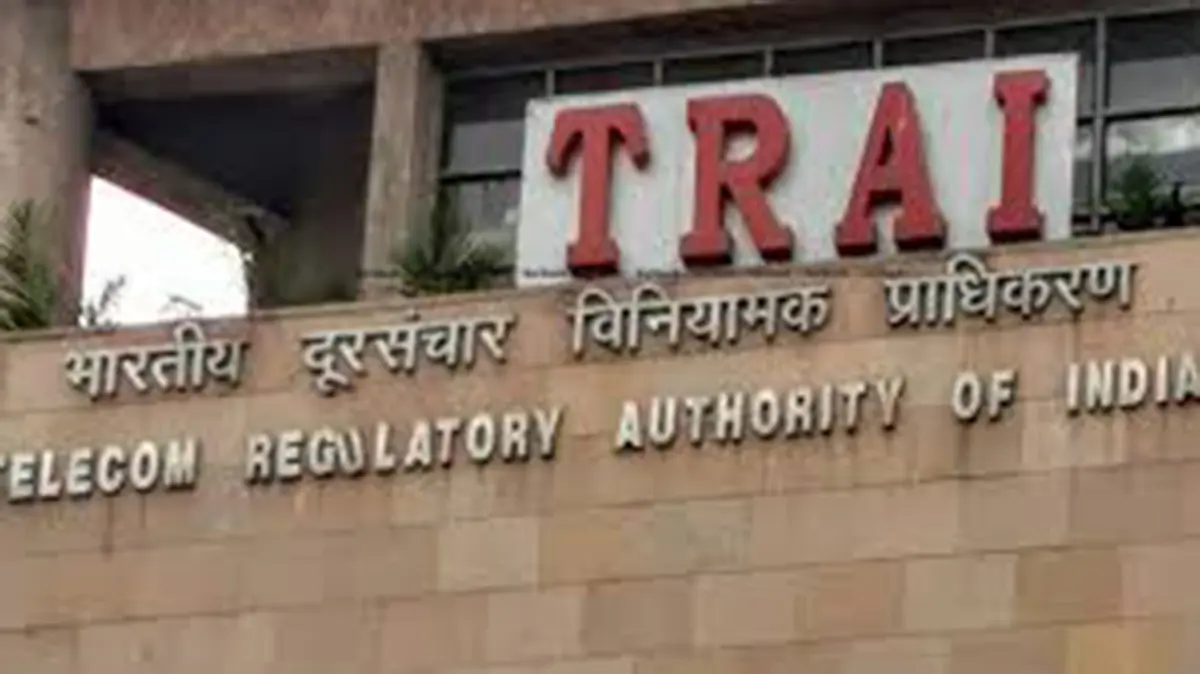
The Telecom Regulatory Authority of India (TRAI) has released a draft of the Telecom Consumer Protection (Thirteenth Amendment) Regulation 2026. The proposal seeks public comments on measures to ensure telecom operators provide affordable voice and SMS‑only plans alongside their bundled data packages.
Background
TRAI was established by an Act of Parliament in 1997 to regulate telecommunication services in India. Its mandate includes setting and revising tariffs, monitoring quality of service, adjudicating interconnection issues and protecting consumer interests. The Authority consists of a chairperson and up to four members appointed by the Central Government. In 2000, an amendment to the TRAI Act created the Telecommunications Dispute Settlement and Appellate Tribunal (TDSAT) to adjudicate disputes involving service providers and consumers.
Details of the draft regulation
- Previous mandate: In the twelfth amendment (2024) TRAI mandated that every telecom operator must offer at least one Special Tariff Voucher (STV) exclusively for voice and SMS services.
- New requirements: Under the 2026 draft, operators would have to provide a voice‑and‑SMS‑only STV for every unique validity period offered for their regular voice, SMS and data STVs. These standalone plans should be priced with a proportionate reduction in tariff compared to bundled offerings.
- Public consultation: TRAI has invited stakeholders to submit written comments by 28 April 2026. Feedback will inform the final regulation.
Significance
- Consumer choice: The proposed regulation ensures that users who primarily need voice calls and text messages are not forced to buy data‑heavy plans.
- Affordability: Proportionately lower tariffs for voice‑and‑SMS‑only plans could benefit low‑income users and help bridge the digital divide.
- Market fairness: By standardising offerings across validity periods, the regulation promotes transparency and prevents operators from restricting basic services behind bundled packages.
Conclusion
TRAI’s draft regulation reflects its ongoing role in balancing industry growth with consumer rights. The final outcome will depend on feedback from telecom companies, consumer groups and the public, but the draft underscores a push toward more equitable service offerings in India’s telecom sector.
Source: News On AIR

